

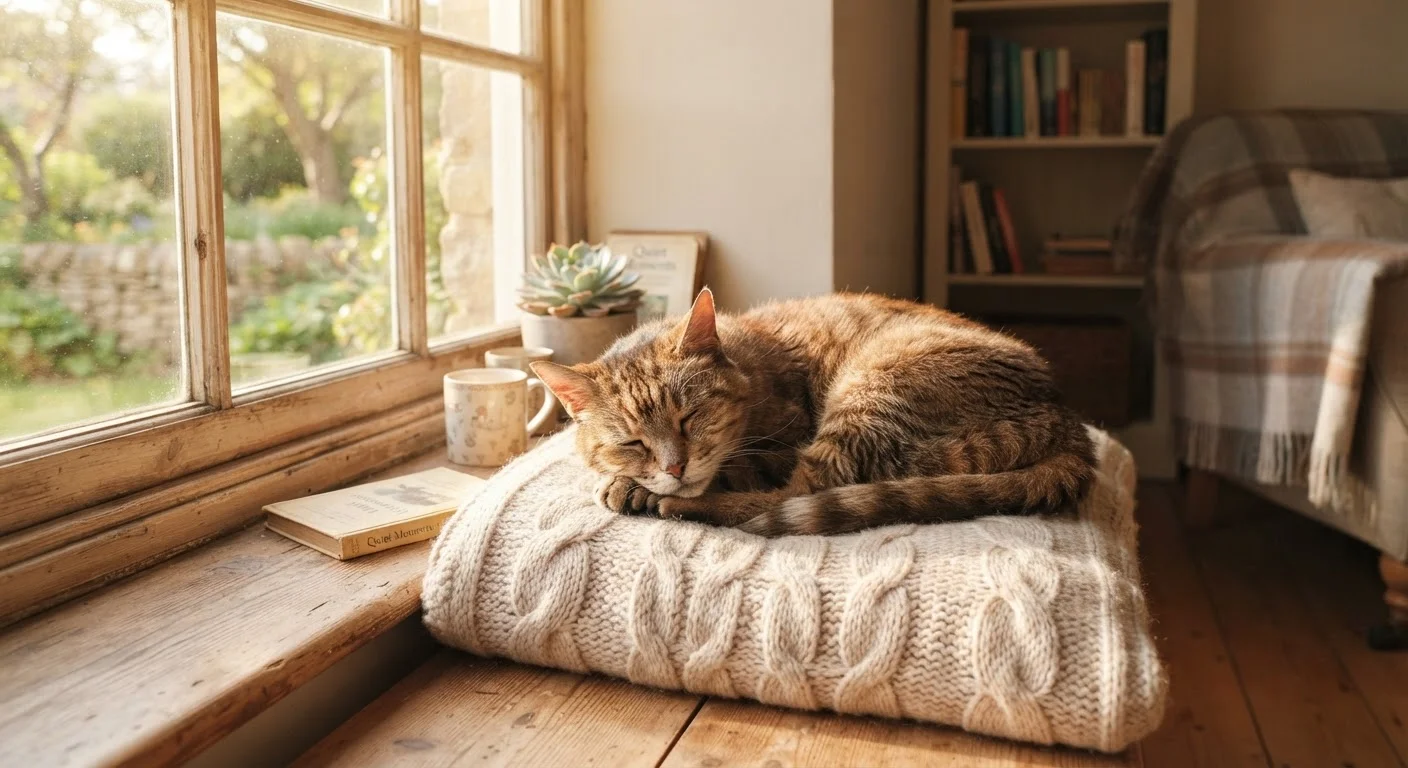
When Does a Cat Become 'Senior'?
Veterinary professionals typically classify cats as senior from around age 10 to 14, and geriatric at 15 and above. The American Association of Feline Practitioners uses a life-stage framework that places mature adults (7-10 years), seniors (11-14), and geriatric cats (15+) in distinct health categories - each with different screening priorities.
The shift isn't abrupt, and many cats entering their second decade appear outwardly healthy. However, internal changes - declining kidney function, reduced immune response, joint wear - often begin well before symptoms appear. Understanding this timeline helps owners shift from reactive to proactive care at the right moment.
For context, a 10-year-old cat is roughly equivalent in biological age to a human in their mid-fifties. By 15, that comparison moves to the mid-seventies. Age alone doesn't determine health, but it raises the likelihood of conditions that benefit from early detection.
How Nutrition Needs Change After 10
Older cats face a nutritional paradox: their ability to digest and absorb protein often declines, yet their need for high-quality protein stays the same or increases to preserve lean muscle mass. Many senior cats experience sarcopenia (age-related muscle loss), which is worsened by insufficient protein intake.
Key dietary considerations for cats over 10 include:
- Protein quality: Look for foods where a named animal protein is the primary ingredient. Digestibility matters as much as quantity.
- Moisture content: Aging cats are prone to chronic kidney disease (CKD), and adequate hydration supports kidney function. Wet food is generally a reliable moisture source. See our cat nutrition primer for a fuller breakdown of trade-offs.
- Caloric density: Some seniors lose weight; others gain it as activity slows. Portion control matters in both directions.
- Phosphorus restriction: For cats already diagnosed with kidney disease, veterinarians may recommend foods with controlled phosphorus levels.
Establishing a consistent feeding routine also helps - predictable meal times reduce stress and make appetite changes easier to notice. Our guide on building a feeding routine covers how to structure meals for long-term health.
Ask your vet to perform a muscle condition score (MCS) at every senior visit, not just a weight check. Weight can stay stable even as muscle mass declines - and muscle loss is one of the first indicators that protein intake or absorption needs attention.
MCS is a validated clinical tool endorsed by feline nutritionists, but it's often skipped unless specifically requested. Catching sarcopenia early gives owners and vets more time to intervene with dietary changes.
Place a second water source near where your senior cat sleeps, not just near the food bowl. Cats with early kidney disease often drink more - making water easy to access where they already spend time can meaningfully increase daily intake.
Hydration directly impacts kidney function, and many cats resist walking to a distant water source when mobility is reduced. Small placement changes can have measurable effects on water consumption.
Veterinary Care: Why More Frequent Visits Matter
Annual wellness exams are appropriate for young adult cats, but most veterinary organizations recommend biannual visits once a cat reaches senior status. A six-month interval gives clinicians a meaningful window to catch common age-related conditions - including hyperthyroidism, diabetes, dental disease, and CKD - before they become harder to manage.
A senior wellness exam typically includes bloodwork, urinalysis, blood pressure measurement, and a thorough physical assessment. Blood pressure screening is especially important; hypertension in cats often develops silently and can damage the kidneys, eyes, and heart.
If you're unsure what a vet visit involves or how to make it less stressful, our walkthrough on preparing for a feline wellness exam can help you prepare.
Environmental Adjustments for Aging Cats
Arthritis is common in older cats - studies suggest it affects the majority of cats over 12, though it is frequently underdiagnosed because cats rarely limp overtly. Instead, they stop jumping, groom less (especially the lower back), and avoid previously used spaces. Adjusting the home environment addresses these limitations directly.
Practical modifications include:
- Lower-sided litter boxes: A box with a lower entry point reduces the effort required to get in and out. Litter box habit changes can be an early signal of mobility or health issues worth flagging to your vet.
- Ramps or steps: Providing access to favorite perches without requiring a jump maintains enrichment without pain.
- Heated beds or self-warming mats: Warmth relieves joint discomfort and supports restful sleep - something senior cats need more of. Our article on feline sleeping patterns explains what normal senior sleep looks like.
- Food and water placement: Keep resources on one level to reduce stair climbing, and consider multiple stations in larger homes.
Behavioral and Cognitive Changes to Watch For
Cats can develop feline cognitive dysfunction syndrome (CDS), a condition with parallels to dementia in humans. Signs include disorientation, altered sleep-wake cycles, changes in vocalization (particularly nighttime yowling), reduced grooming, and decreased interaction. CDS is thought to be underreported because owners often attribute these signs to normal aging.
It is equally important to rule out medical causes before assuming behavioral changes are cognitive. Hyperthyroidism, hypertension, and pain can all produce similar-looking symptoms. A thorough veterinary workup is the right first step whenever a senior cat's behavior shifts noticeably.
Nighttime Vocalization Is Not Normal Aging
Sudden or escalating nighttime yowling in a senior cat is a clinical symptom, not a quirk. Hyperthyroidism, hypertension, and cognitive dysfunction are among the conditions that commonly cause this sign - all of which are diagnosable and, in many cases, treatable. Schedule a veterinary evaluation promptly rather than waiting for the next routine visit.
Increased or unusual vocalization in a senior cat - especially at night - should always prompt a vet visit rather than a behavioral assumption. Hyperthyroidism, pain, and hypertension are all treatable conditions that commonly present this way.
Supporting Your Senior Cat's Quality of Life
Beyond medical management, quality of life for a senior cat depends heavily on enrichment, routine, and connection. Older cats are generally less tolerant of change - a shift in schedule, a new pet, or even rearranged furniture can cause notable stress. Predictability is genuinely protective.
Enrichment for senior cats doesn't require high-energy play. Puzzle feeders, window perches with outdoor views, gentle interactive sessions, and scent-based toys engage a cat's senses without demanding physical exertion. Pay attention to what your individual cat still enjoys - preferences shift, but curiosity rarely fully disappears.
Monitoring your cat's weight and body condition regularly at home - ideally monthly - gives you a baseline that makes changes easier to spot between vet visits. Weight loss in particular can be a clinically meaningful signal in older cats and warrants timely evaluation.
Caring for a senior cat is ultimately about extending not just lifespan, but healthspan - the period in which your cat is comfortable, engaged, and living well. Small, consistent adjustments across nutrition, environment, and veterinary care add up to a meaningful difference.
This article is intended for general informational purposes only and does not constitute veterinary advice. Always consult a licensed veterinarian for guidance specific to your cat's health needs.
The content on this site is provided for informational purposes only and should not be considered a substitute for professional advice. While we strive to provide accurate and up-to-date information, we make no guarantees regarding its completeness or accuracy. Always consult a qualified professional for advice specific to your circumstances before making any decisions.