

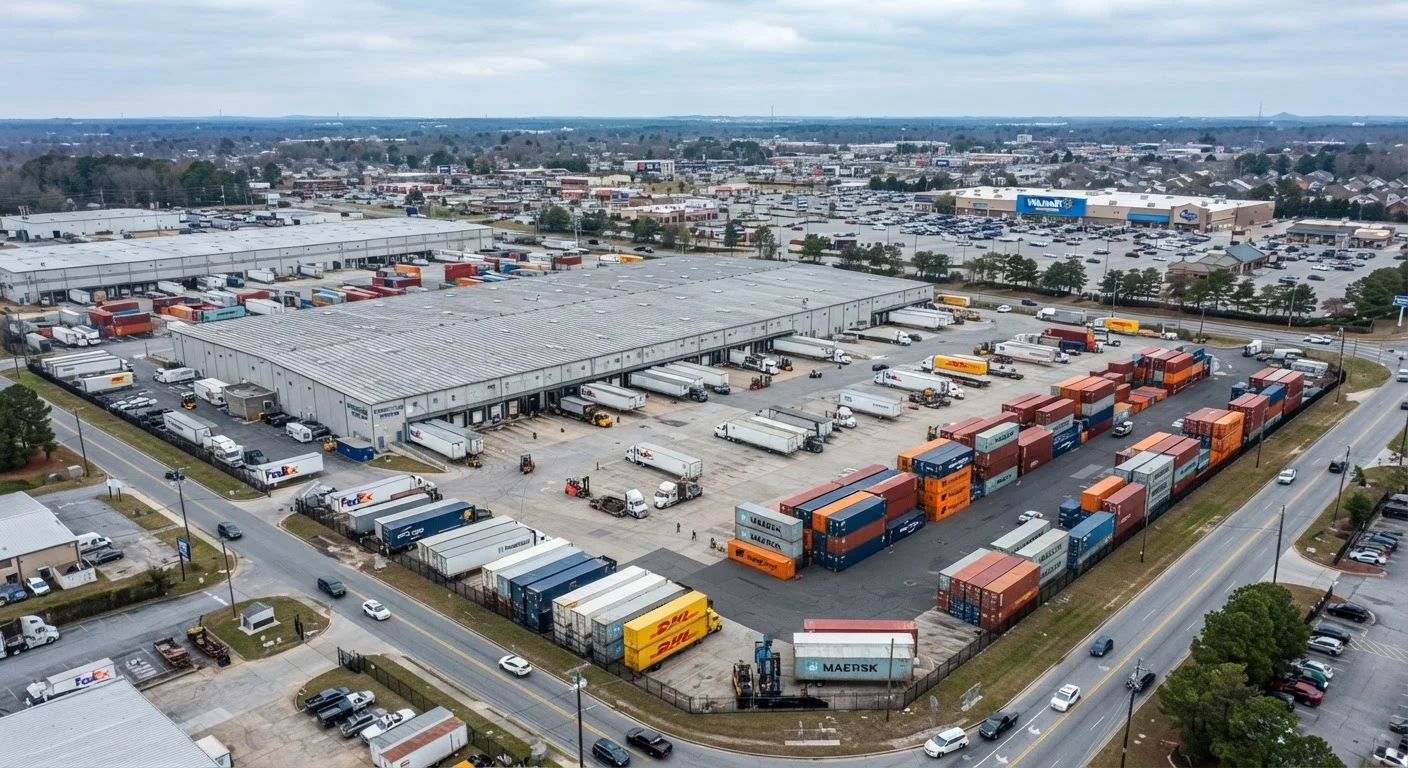
The Farm Is Just the Starting Point
When corn, soybeans, or tomatoes leave a farm, they begin a journey through a layered system of handlers, processors, packagers, and distributors before arriving at your grocery store. The price a farmer receives - called the farmgate or farmgate price - often represents a relatively small slice of what ends up on the price tag. Studies from the U.S. Department of Agriculture have consistently found that for many processed foods, farmers capture less than 20 cents of every dollar spent at retail.
That gap isn't a conspiracy - it reflects the genuine costs accumulated at each stage. Raw wheat must be milled, mixed, and baked into bread. Fresh produce must be washed, sorted, packaged, refrigerated, and shipped. Each step requires labor, equipment, energy, and overhead. Understanding this structure helps explain why a bumper harvest doesn't automatically mean cheaper groceries for consumers. Retail prices often resist falling even when upstream conditions improve.
Energy: The Cost That Runs Through Everything
Fuel and electricity are embedded in every stage of the food supply chain. Tractors run on diesel. Processing plants consume large amounts of electricity. Refrigerated trucks - known as reefers in the trucking industry - must maintain controlled temperatures across hundreds of miles. Cold storage warehouses run continuously. When energy prices rise, those costs stack up at every node in the network.
Fertilizer, a major input for most crops, is also heavily tied to natural gas prices since natural gas is the primary feedstock for nitrogen-based fertilizers. A spike in natural gas markets can raise fertilizer costs before planting season even begins, setting up food price pressure that won't show up at the store for months. This delayed timing is part of why food price inflation can persist well after an energy price spike has technically passed.
<20¢
Farmer's share of each retail food dollar
USDA data has consistently shown farmers receive less than 20 cents per dollar spent on many processed foods at retail.
~50%
Share of retail food price tied to labor costs
The USDA Economic Research Service estimates labor represents roughly half of the food dollar across the processing and retail chain.
3-6 months
Typical lag from farm input cost to retail price
Industry analysts generally estimate it takes several months for changes in commodity or energy input prices to fully filter through to grocery shelf prices.
Currency, Trade, and Global Commodity Markets
Many food commodities - wheat, corn, soybeans, coffee, cocoa - are priced on global exchanges in U.S. dollars. This means currency exchange rates matter even for food grown and consumed domestically. When the dollar weakens against other currencies, imported foods become more expensive in dollar terms. Conversely, a strong dollar can make U.S. agricultural exports less competitive globally, affecting how much domestic producers can charge.
Trade policy adds another layer. Tariffs on imported goods raise the landed cost of food products before they even enter the domestic distribution system. Export restrictions by major producing countries - such as grain export bans during supply crises - can cause global commodity prices to spike, affecting what U.S. processors pay for raw ingredients. These forces are largely invisible to shoppers but can meaningfully shift what appears on price tags. For more on how disruptions travel through the system, see this overview of supply chain disruptions and their lasting price effects.
Retail Margins and Market Concentration
By the time food reaches a grocery store, it has passed through processors, possibly co-packers, regional distributors, and finally a retailer - each of whom adds a margin. Retailer margins in grocery are historically thin on a percentage basis, but the concentration of the industry means fewer players control more shelf space. When input costs rise, retailers have limited pressure to absorb losses. When costs fall, they have limited competitive pressure to pass savings to consumers immediately.
This structure is part of why price tags have become harder to trust as signals of underlying value. Packaging changes - known colloquially as shrinkflation, where product size shrinks while the price holds steady - can also obscure true cost changes. Shoppers who understand unit pricing can cut through some of this ambiguity; unit price labels reveal the true per-ounce or per-pound cost most receipts don't make obvious.
What Shoppers Can Realistically Do
Most of the forces driving food prices - fuel markets, currency exchange, commodity trading, and distribution economics - are outside any individual shopper's control. That said, understanding them helps set realistic expectations: grocery bills may not fall in step with positive economic headlines, and a single good harvest won't necessarily bring relief at checkout.
Where consumers do have leverage is in how they shop. Flexibility about brands, willingness to adjust meal plans based on seasonal availability, and attention to unit pricing can offset some price pressure over time. Practical strategies real households use tend to focus on structural habits rather than one-time deals. Staying informed about market conditions - particularly energy prices and major weather events in agricultural regions - can also help shoppers anticipate when grocery pressure is likely to increase before they see it on the shelf.
Frequently Asked Questions
Retailers, processors, and distributors each have their own cost structures and profit margins that don't automatically shrink when commodity prices fall. Labor contracts, long-term supplier agreements, and energy costs can lock in higher expenses for months. Price cuts at the farm rarely translate quickly or fully to the store shelf.
Fuel powers every step of the food supply chain - tractors, refrigerated trucks, processing plants, and delivery fleets all depend on energy. When diesel or electricity prices rise, those costs accumulate at each stage and show up as higher retail prices. Even modest fuel price increases can compound significantly across a long supply chain.
A weaker dollar makes imports more expensive in dollar terms, which pushes up prices for imported foods like coffee, bananas, and certain seafood. It can also affect domestically produced commodities that are traded globally, since a weaker dollar changes how US goods compete on world markets and how input costs denominated in foreign currencies translate domestically.
Distributors handle storage, transportation, and wholesale logistics between producers and retailers. Each intermediary adds a margin to cover its own costs and generate profit, meaning the price accumulates across multiple hands before a product reaches a store. Consolidation in distribution networks can reduce competition and keep those margins elevated.
Extreme weather - drought, floods, or late frosts - can destroy a significant share of a regional crop in a matter of days. Because many produce categories have limited substitutes and short shelf lives, supply shortfalls translate almost immediately into higher retail prices. Insurance and hedging markets can buffer some of the impact, but not all of it.
The content on this site is provided for informational purposes only and should not be considered a substitute for professional advice. While we strive to provide accurate and up-to-date information, we make no guarantees regarding its completeness or accuracy. Always consult a qualified professional for advice specific to your circumstances before making any decisions.