

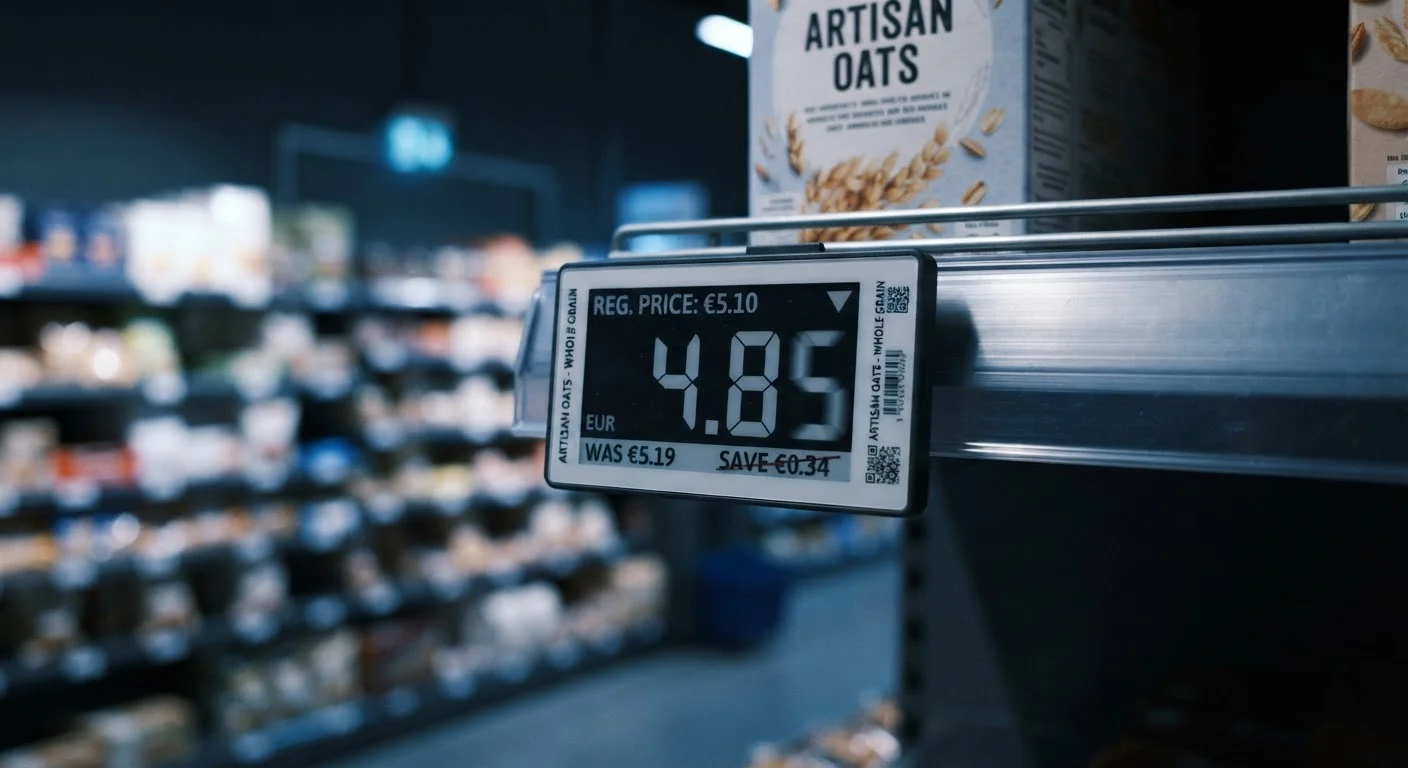
The Price You See Is No Longer a Promise
There was a time when a price tag meant something simple: this item costs this much, full stop. That reliability is eroding. Across industries, the listed price has become a snapshot of one moment in an ongoing algorithmic calculation - and that moment may pass before you reach the register.
Dynamic pricing has existed in travel for years. Airlines adjust fares hundreds of times daily. Hotels reprice rooms by the hour based on occupancy rates and competitor data. But what was once a quirk of the travel industry is now a mainstream commercial strategy, expanding into grocery stores, food delivery apps, streaming services, and event ticketing. Understanding why this shift is happening - and what it means for your wallet - starts with understanding what's actually driving the fluctuation.
For a deeper look at how this plays out in one specific sector, see how dynamic pricing is reshaping retail.
How Algorithmic Pricing Actually Works
At the core of dynamic pricing is software that monitors multiple data streams simultaneously: inventory levels, competitor prices, time of day, geographic demand signals, and sometimes individual user behavior. When demand rises or supply tightens, the algorithm raises prices. When demand softens, prices may drop - though consumers tend to encounter the system most during high-demand moments.
What makes modern algorithmic pricing different from traditional supply-and-demand responses is speed and personalization. A grocery chain deploying electronic shelf labels can update prices across thousands of products in under a minute. A delivery platform can charge more for the same meal during a lunch rush than at 3 p.m. In some cases, the price a specific user sees may be influenced by their purchase history, device type, or location - a practice sometimes called personalized pricing.
240+
Daily fare changes per airline route
Industry estimates suggest major carriers adjust prices on individual routes hundreds of times each day using automated pricing systems.
~60%
U.S. retailers exploring dynamic pricing tools
A Forrester survey of retail executives found a significant majority were actively evaluating or piloting real-time pricing technology as of recent years.
10-30%
Typical surge price range during peak demand
Food delivery and ride-hailing platforms have reported multipliers in this range during high-demand periods, though exact figures vary by platform and market.
This is distinct from simple surge pricing, where a flat multiplier is applied during peak demand. Algorithmic systems are more granular, continuously optimizing for the price point most likely to result in a completed transaction at maximum margin.
Why It's Spreading So Fast
Several forces are accelerating adoption. First, the infrastructure cost has dropped dramatically. Electronic shelf labels, cloud-based pricing engines, and AI-driven analytics tools are now accessible to mid-sized retailers, not just enterprise-scale corporations. Second, e-commerce normalized price volatility. Consumers who shop on large online marketplaces are accustomed to prices changing between visits - that familiarity has reduced friction for physical retailers to follow.
Third, thin margins in competitive categories like groceries, fuel, and consumer electronics create pressure to capture every available dollar of demand. For a company operating on a 2-3% margin, even modest algorithmic gains add up significantly at scale.
The food supply chain adds another layer of complexity. Costs shift at multiple points between producer and consumer, and dynamic pricing allows retailers to pass those changes downstream in real time rather than waiting for a scheduled price review. Market forces that shape food prices illustrate how layered these pressures already are before dynamic pricing enters the equation.
What Consumers Can Realistically Do
Algorithmic pricing systems are deliberately opaque - companies don't publish their pricing logic, and consumers have no standardized way to know when they're seeing a dynamic price versus a fixed one. That asymmetry is real, and awareness alone doesn't eliminate it.
That said, informed shoppers can adjust their habits in ways that reduce exposure. Timing purchases outside peak demand windows - ordering delivery mid-afternoon instead of at dinner rush, for instance - can capture lower price points. Checking prices across multiple sessions or platforms before committing to large purchases adds a basic layer of comparison that algorithmic systems can't fully eliminate.
For travel specifically, fare fluctuation is well-documented. Understanding why flight prices change so dramatically provides context on timing and booking patterns. Similarly, knowing that sale prices don't always mean genuine savings helps calibrate expectations when promotional signals intersect with dynamic pricing systems.
The broader shift worth tracking: as variable pricing becomes the norm rather than the exception, the sticker price increasingly functions as a starting point for negotiation - between the algorithm and whatever moment you happen to arrive.
This article is for informational purposes only. Pricing practices, laws, and market conditions vary by industry, retailer, and location. Readers should verify specific pricing policies directly with vendors and consult relevant consumer protection resources for guidance applicable to their situation.
Frequently Asked Questions
Dynamic pricing means a product or service doesn't have a fixed cost - the price changes based on factors like demand, time, or who's buying. Airlines have used it for decades; now it's spreading to grocery stores, restaurants, and streaming platforms.
Generally, yes. Dynamic pricing is legal, though regulators have begun scrutinizing specific applications - particularly surge pricing for essential goods during emergencies, which some states restrict under price-gouging laws. Legal standards vary by state and industry.
Personalized pricing - where individual customers see different prices based on their data - is technically possible and legal in most contexts. Retailers rarely disclose when it occurs, making it difficult for consumers to detect.
Checking the same product or service across multiple devices, browsers, or in an incognito window can sometimes reveal price variation. Price-tracking tools exist for certain categories like electronics and flights, though they don't cover all markets.
Not necessarily. Prices can go down during low-demand periods just as they go up during peaks. However, consumers are more likely to encounter dynamic pricing when demand is high - which means they more often experience the upside of the range.
Beyond airlines and hotels, grocery retail, food delivery platforms, ride-hailing, entertainment venues, and e-commerce are the fastest-growing adopters. Some theme parks and sports stadiums now use real-time demand pricing for tickets.
The content on this site is provided for informational purposes only and should not be considered a substitute for professional advice. While we strive to provide accurate and up-to-date information, we make no guarantees regarding its completeness or accuracy. Always consult a qualified professional for advice specific to your circumstances before making any decisions.