

The Numbers Behind the Paradox
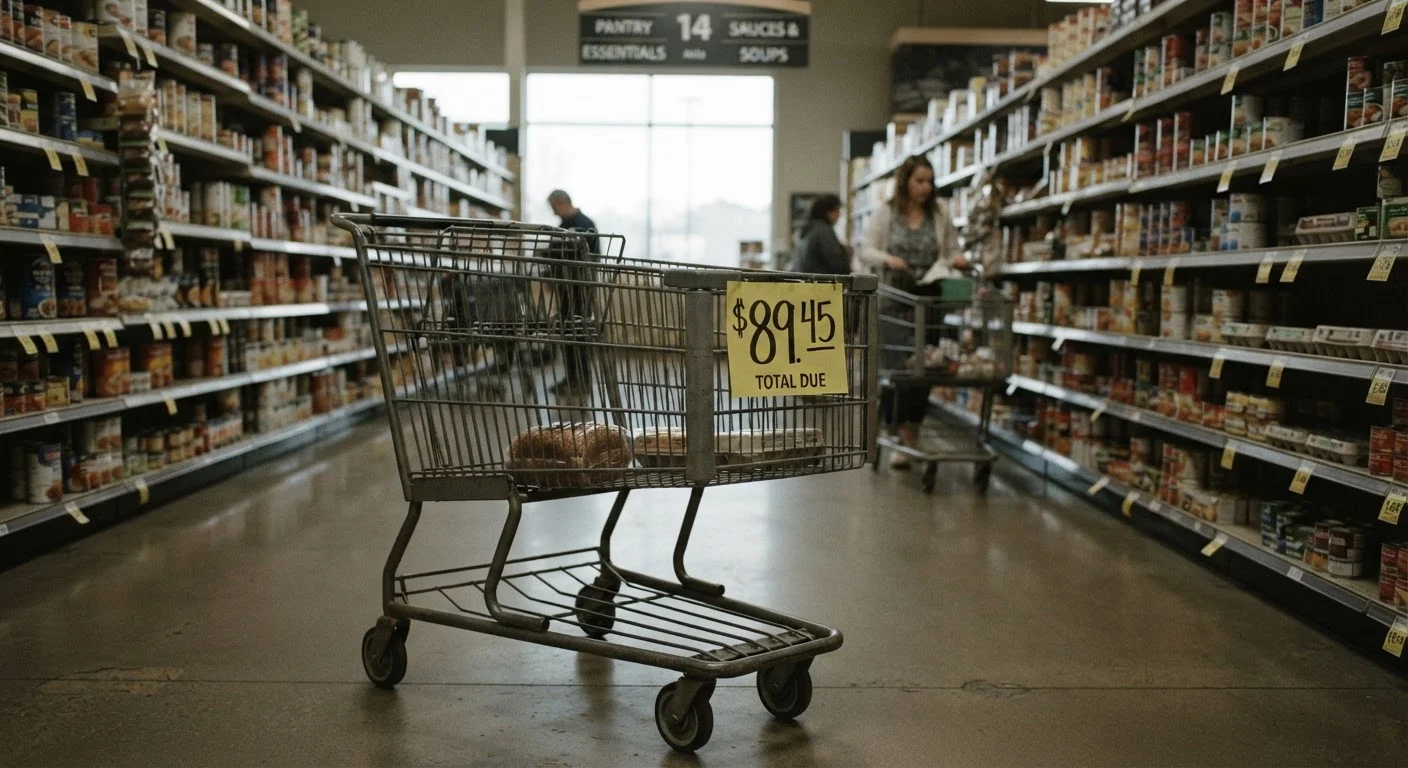
At first glance, it seems contradictory: consumer spending totals remain relatively robust even as shoppers report feeling squeezed and are visibly buying fewer items per basket. But this apparent contradiction dissolves once you separate the volume of purchases from the dollar value of those purchases.
When prices rise faster than incomes, total spending can stay flat or even increase while the actual quantity of goods changing hands falls. This is precisely what inflation does - it inflates the dollar figure of transactions without adding real economic value for the buyer. The result is that aggregate spending data can look healthy while household budgets feel anything but.
Tracking tools like the Consumer Price Index (CPI) and real personal consumption expenditure data from the Bureau of Economic Analysis help untangle this. Nominal spending may show growth, but inflation-adjusted figures reveal whether Americans are genuinely consuming more - or simply paying more for the same or less.
3.4%
U.S. CPI annual inflation rate (2024 average)
According to the U.S. Bureau of Labor Statistics, consumer prices rose approximately 3.4% over 2024, following several years of significantly higher inflation.
~30%
Share of U.S. grocery sales from private-label brands
Industry tracking data has shown private-label grocery products accounting for a growing share of sales as consumers shift away from national brands under price pressure.
$1.06T+
U.S. consumer credit card debt outstanding
The Federal Reserve Bank of New York reported total U.S. credit card balances exceeding $1 trillion in recent quarters, reflecting how households are bridging spending gaps.
What's Driving Prices Higher
Several overlapping forces have pushed everyday prices upward in ways that are difficult for households to sidestep. Supply chain disruptions, elevated energy costs, and tighter labor markets all fed into a broad inflationary wave that touched virtually every consumer category. Even as some of those pressures have eased, prices in areas like groceries, housing, insurance, and healthcare have remained stubbornly elevated.
One often-overlooked factor is the phenomenon known as shrinkflation - where product sizes quietly shrink while prices hold steady or rise. This makes it harder for shoppers to detect price increases directly. For a deeper look at how this works, see shrinkflation and skimpflation.
Currency dynamics also play a role. Imported goods, which make up a large share of U.S. retail shelves, are sensitive to exchange rate shifts and global commodity pricing. Understanding what a strong dollar means for everyday purchases can help contextualize why some import-heavy categories don't always track with domestic economic sentiment.
How Consumers Are Adapting
Faced with higher prices, American shoppers have made a series of pragmatic adjustments. Trade-down behavior - switching from national brands to private-label or store-brand equivalents - has accelerated noticeably across grocery and household goods categories. Retailers have responded by expanding their own-label offerings, recognizing that price-sensitive consumers are actively looking for alternatives.
There is also a broader shift toward prioritizing essentials and high-value experiences over volume purchasing. Many households are buying fewer but more deliberate items, particularly in discretionary categories like apparel, electronics, and home décor. This intersects with a broader cultural recalibration around consumption - the idea that owning more does not automatically mean living better.
Brand loyalty is another casualty of this environment. When prices rise, the emotional attachment to a particular brand tends to weaken as shoppers hunt for value. The quiet erosion of brand loyalty reflects just how fundamentally spending pressures are reshaping retail relationships.
The convenience-versus-savings calculus has also shifted. Shoppers who once paid a premium for speed or ease are reconsidering those trade-offs more deliberately. The hidden cost of convenience has become harder to ignore when every dollar is scrutinized more carefully.
What This Means for Everyday Decisions
Understanding this spending paradox is more than an academic exercise - it has direct implications for how individuals manage their own finances. When you recognize that higher total spending doesn't mean more value received, it becomes easier to make intentional choices rather than reactive ones.
Tracking your own purchase volume alongside dollar totals can be revealing. If your grocery bill has grown but your cart feels lighter, you're experiencing this pattern firsthand. That awareness is the starting point for responding strategically, whether through timing purchases around genuine promotions, adjusting brand preferences, or cutting categories where value has genuinely diminished.
For practical strategies that go beyond awareness, the savvy saving tips hub offers approaches tailored to the current environment. And for readers who want to distinguish lasting shifts from temporary market noise, how to tell a real consumer trend from media noise provides useful analytical framing.
The broader picture from the Market & Price News landscape is this: the gap between what Americans spend and what they get for that spending is a defining consumer challenge of this moment - and understanding it is the first step toward navigating it wisely.
Frequently Asked Questions
Persistent inflation has raised the price of most goods and services, meaning the same dollar buys less than it did several years ago. Even when households cut back on the number of items they purchase, higher unit prices keep total spending elevated.
Not necessarily on its own, but it does signal strain. When purchasing volume shrinks while spending holds steady or grows, it typically means households are absorbing price increases rather than enjoying genuine consumption gains. It can indicate reduced living standards even without a formal recession.
Groceries, housing costs, insurance, and services like dining out and healthcare have seen notable price increases in recent years. These are categories where consumers have limited ability to opt out entirely, so spending rises even as families try to cut back.
Common responses include switching to store-brand or private-label products, reducing trip frequency, buying in bulk when prices allow, and cutting discretionary categories like clothing or entertainment. Many households are also re-evaluating subscriptions and recurring expenses.
It depends on the driver. A strong labor market can support spending, but if wages haven't kept pace with inflation, households may be spending the same or more in dollar terms while actually consuming less. The two forces - income and inflation - can partially offset each other.
If inflation moderates significantly and wages continue to grow, purchasing volume could recover over time. However, consumer habits formed during high-inflation periods - like preferring store brands or limiting discretionary spending - often persist well after conditions improve.
The content on this site is provided for informational purposes only and should not be considered a substitute for professional advice. While we strive to provide accurate and up-to-date information, we make no guarantees regarding its completeness or accuracy. Always consult a qualified professional for advice specific to your circumstances before making any decisions.