

Why the Distinction Matters
Every few months, a new consumer behavior appears to sweep the nation. Plant-based everything. Revenge travel. Quiet luxury. The coverage is breathless, the data points are vivid, and the implication is clear: the way Americans shop has fundamentally changed. Except sometimes it hasn't.
The problem isn't that media coverage is dishonest - it's that the news cycle is optimized for novelty, not durability. A single viral moment, an unusual quarterly sales figure, or a provocative survey result can generate dozens of trend stories without reflecting any lasting shift in what people actually buy. For everyday consumers trying to make smarter decisions, this noise is costly. It can lead to premature lifestyle changes, unnecessary purchases, or misplaced anxiety about economic shifts that never materialize.
Understanding how to read a trend - rather than just react to it - is a practical skill. See also how to evaluate trend reports critically for a deeper dive into the reports themselves.
What Separates a Real Trend from a Media Moment
Genuine consumer trends share a few structural features that distinguish them from noise. Recognizing these signals takes practice, but they're learnable.
Look for behavioral data, not just attitudinal surveys
What people say they will do and what they actually do diverge constantly. Survey data showing 60% of respondents 'plan to buy electric vehicles' doesn't confirm a trend - actual registration data does. Attitudinal data can signal early intent, but trends require behavioral follow-through to be real.
Check whether the trend shows up across multiple independent data sources
A single company's press release, one quarterly earnings call, or one viral hashtag does not constitute a trend. Real behavioral shifts tend to surface across retail sales data, search volume trends, credit card transaction data, and industry reports - not just one of them.
Assess whether the trend spans multiple demographics and regions
Trends confined to a narrow demographic slice or a single metropolitan area are niche developments, not broad consumer shifts. Durable trends tend to diffuse across age groups, income levels, and geographic regions over time, even if they originate in a specific segment.
Trace the trend's timeline - look for at least two to three consecutive periods of data
One strong quarter of data can reflect a seasonal spike, a supply disruption, or a one-time event. A genuine behavioral shift sustains itself across multiple reporting periods. Patience in evaluation prevents overreaction to statistical noise.
Ask who benefits from declaring the trend
Many trend reports are published by companies with commercial interests in the categories they're describing. A retailer reporting surging demand for a product category, or a consulting firm promoting a new consumer archetype, has incentives that can shape how data is framed and presented.
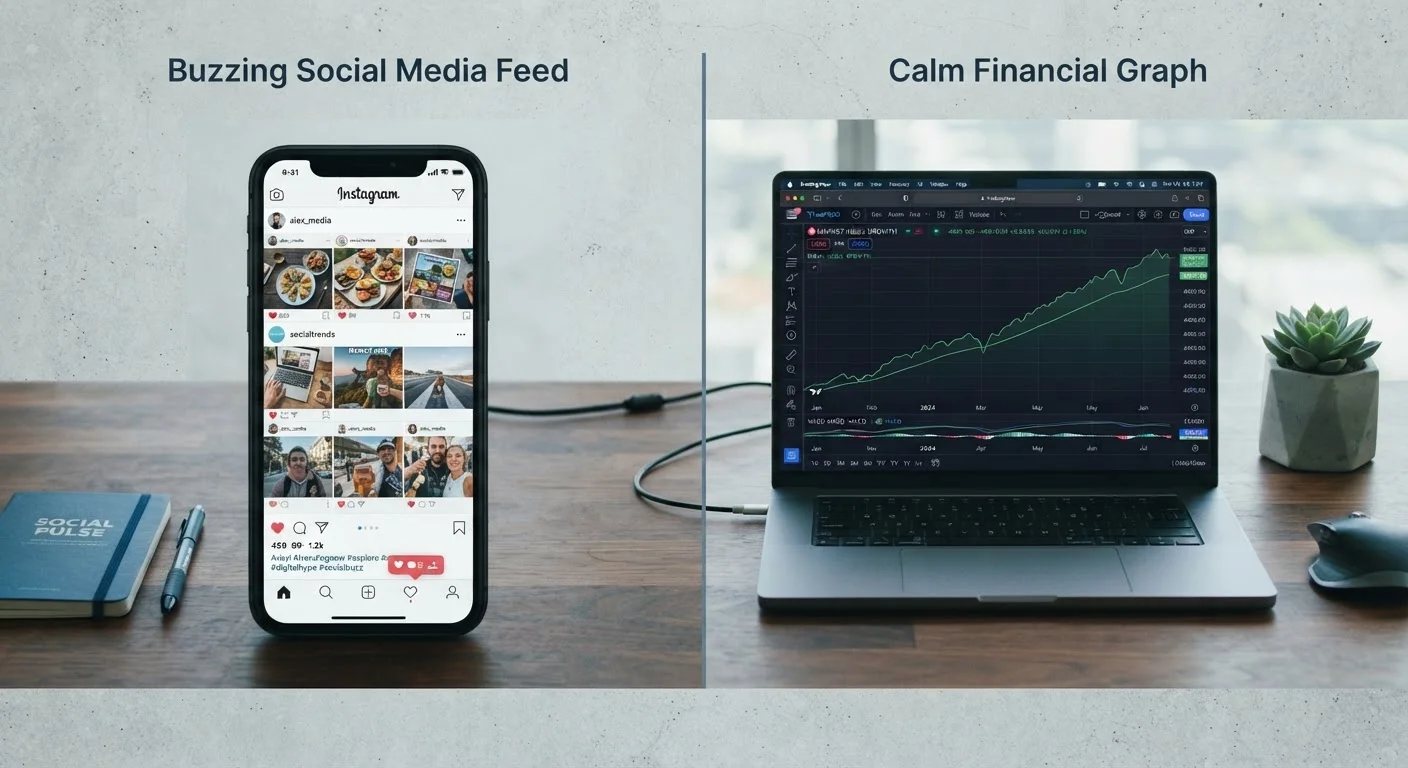
For context on how social platforms can both reflect and manufacture apparent trends, the piece on discovery shopping and social media is worth reading alongside this framework.
Quick Actions You Can Take Now
Applying trend literacy doesn't require a research background. A few consistent habits will help you filter signal from noise before adjusting your spending or expectations.
The same skepticism applies to price-related headlines. Before reacting to alarming news about costs, it's worth asking a practical checklist of questions to separate one-time disruptions from structural price shifts. Staying informed across sectors is also easier with resources like industry updates across autos, food, travel, and retail.
The content on this site is provided for informational purposes only and should not be considered a substitute for professional advice. While we strive to provide accurate and up-to-date information, we make no guarantees regarding its completeness or accuracy. Always consult a qualified professional for advice specific to your circumstances before making any decisions.