

Why Consumer Trend Language Matters
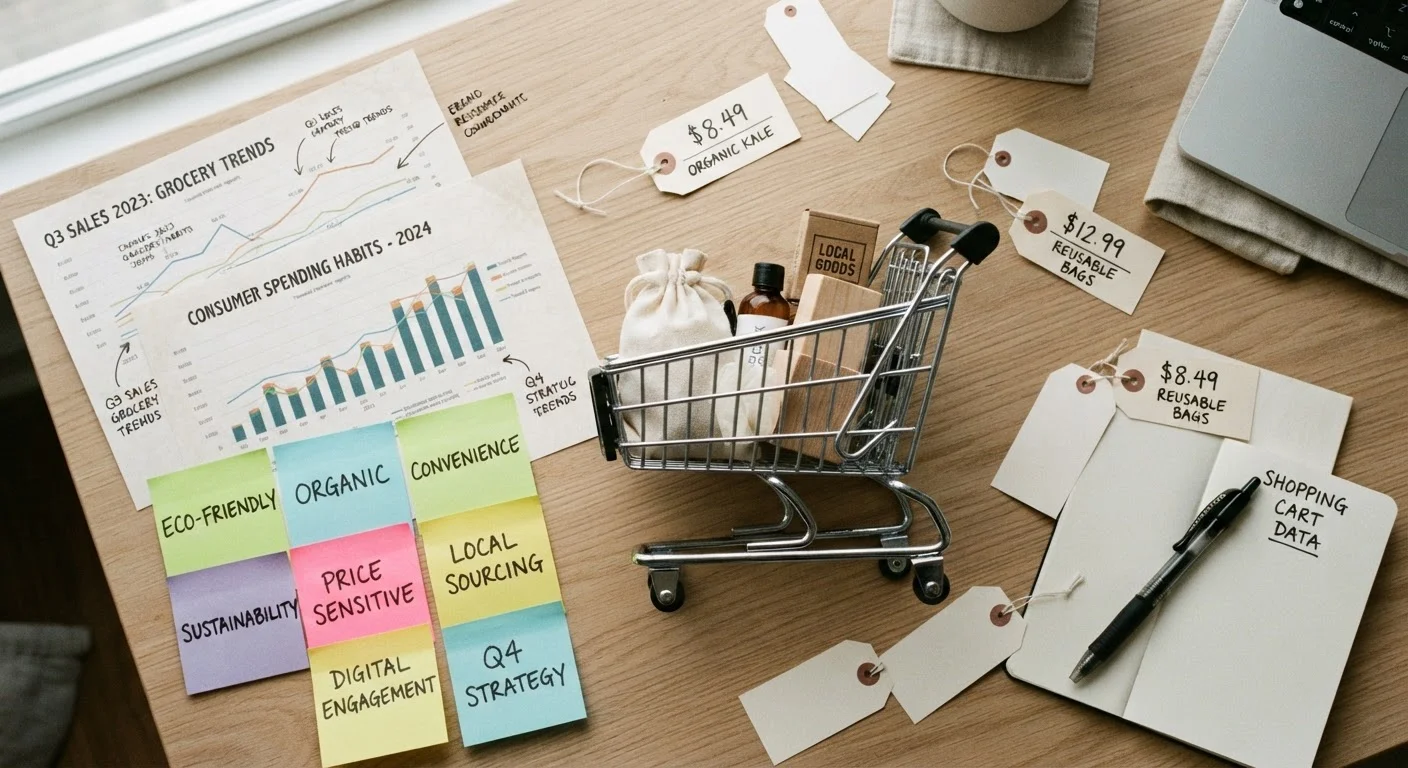
Retail analysts, journalists, and marketers use a specific vocabulary to describe how Americans spend money - and that vocabulary shapes the news you read and the decisions stores make. When a headline declares that shoppers are "trading down" or embracing "dupe culture," those phrases carry real meaning about market shifts that affect pricing, inventory, and product availability.
This reference explains the most widely used consumer behavior terms in plain language, so you can read retail news critically and recognize which shifts are likely to affect your own wallet. For a broader vocabulary foundation, the consumer shopping glossary covers general retail and legal terms every shopper encounters. This guide focuses specifically on the behavioral and trend language now shaping industry conversations.
Trading Down
A shift by consumers toward lower-priced alternatives within a category, such as choosing store brands over name brands. It typically reflects cost pressure rather than a permanent preference change.
Dupe Culture
The widespread, socially accepted practice of seeking and sharing lower-cost products that closely resemble more expensive originals. Popularized largely through social media platforms.
Shrinkflation
A pricing strategy in which a product's quantity or size is reduced while its retail price remains unchanged or increases. It functions as a hidden price increase.
Premiumization
A consumer pattern in which spending on a specific category consistently trends toward higher-priced, higher-perceived-quality products, even when overall budgets are tight.
Recommerce
The structured resale of previously owned goods through formal retail platforms or retailer take-back programs. Distinct from informal secondhand selling, recommerce is integrated into mainstream retail.
Revenge Spending
A short-term surge in consumer expenditure following a period of forced restraint. It typically dissipates as pent-up demand is satisfied and does not indicate a lasting trend.
Convenience Premium
The additional cost embedded in goods or services that offer greater speed, ease, or accessibility. Delivery surcharges and pre-packaged meal kits are common examples.
Discovery Shopping
An unplanned purchase triggered by encountering a product on a social media platform rather than through intentional search. The path from exposure to purchase is often very short.
Key Terms Defined
The terms below appear regularly in consumer news, earnings calls, and retail analysis. Each definition includes context for why the concept matters to everyday shoppers.
Trading Down
When consumers shift spending toward lower-priced alternatives - switching from name brands to store brands, or from full-service restaurants to fast food - analysts call this "trading down." It typically accelerates during periods of inflation or economic uncertainty. Private label grocery growth is a direct example of this behavior in action.
Dupe Culture
Short for "duplicate," a dupe is a lower-cost product that mimics the appearance or function of a higher-priced item. Dupe culture - the open, social-media-driven celebration of finding and sharing dupes - has normalized comparison shopping and reduced the social stigma around buying non-premium goods. Social discovery shopping has accelerated dupe culture's reach.
Revenge Spending
A surge in consumer spending that follows a period of enforced restraint. The term emerged after pandemic-era restrictions lifted, as households spent heavily on travel, dining, and experiences they had deferred. It represents a temporary demand spike rather than a durable long-term trend.
Premiumization
The opposite of trading down - when consumers consistently choose to spend more on a category they perceive as worth it, even as they cut costs elsewhere. A household might buy discount groceries but splurge on premium pet food. Recognizing premiumization helps explain why luxury segments in some categories grow even during recessions.
Shrinkflation
When a product's package size or quantity decreases while its price stays the same or rises. Consumers pay the same amount for objectively less. Shrinkflation is a common business response to rising input costs and is often less visible to shoppers than an outright price increase.
Discovery Shopping
Browsing-driven purchasing that begins on a social platform rather than through deliberate search. A consumer sees a product in a video or post, becomes interested, and purchases - often without actively looking for that item beforehand. This pattern has reshaped retail marketing strategies significantly.
The Convenience Premium
The additional cost built into goods and services that prioritize speed, ease, or accessibility. Delivery fees, pre-cut produce, and subscription auto-replenishment all carry a convenience premium. Understanding this trade-off is central to intentional spending - a dynamic explored in depth in the convenience vs. savings trade-off piece.
Recommerce
The formalized resale of used goods, including clothing, electronics, and furniture, through structured platforms or retailer programs. Recommerce has moved well beyond garage sales and thrift stores into mainstream retail channels. How secondhand shopping went mainstream traces this evolution in detail.
How to Use These Terms as a Shopper
Recognizing these terms in news coverage helps you distinguish between genuine shifts in the market and short-term noise. If a retailer's earnings report cites "elevated trade-down behavior," that signals price-sensitive consumers are active - which may influence which products stores stock and how aggressively they price private label alternatives.
Not every trend label reflects a lasting change in behavior. Separating real trends from media noise is a useful next step for readers who want a framework for evaluating which shifts are durable. Similarly, when trend language overlaps with ethical claims - terms like "conscious consumption" or "sustainable shopping" - it's worth reading critically, as the actual evidence behind ethical consumption doesn't always match the marketing.
Consumer behavior language evolves quickly. When new terms surface in headlines, applying the same plain-language test - what behavior does this actually describe, and who benefits from naming it? - keeps the vocabulary working for you rather than against you.
The content on this site is provided for informational purposes only and should not be considered a substitute for professional advice. While we strive to provide accurate and up-to-date information, we make no guarantees regarding its completeness or accuracy. Always consult a qualified professional for advice specific to your circumstances before making any decisions.