

The Scale of the Shift
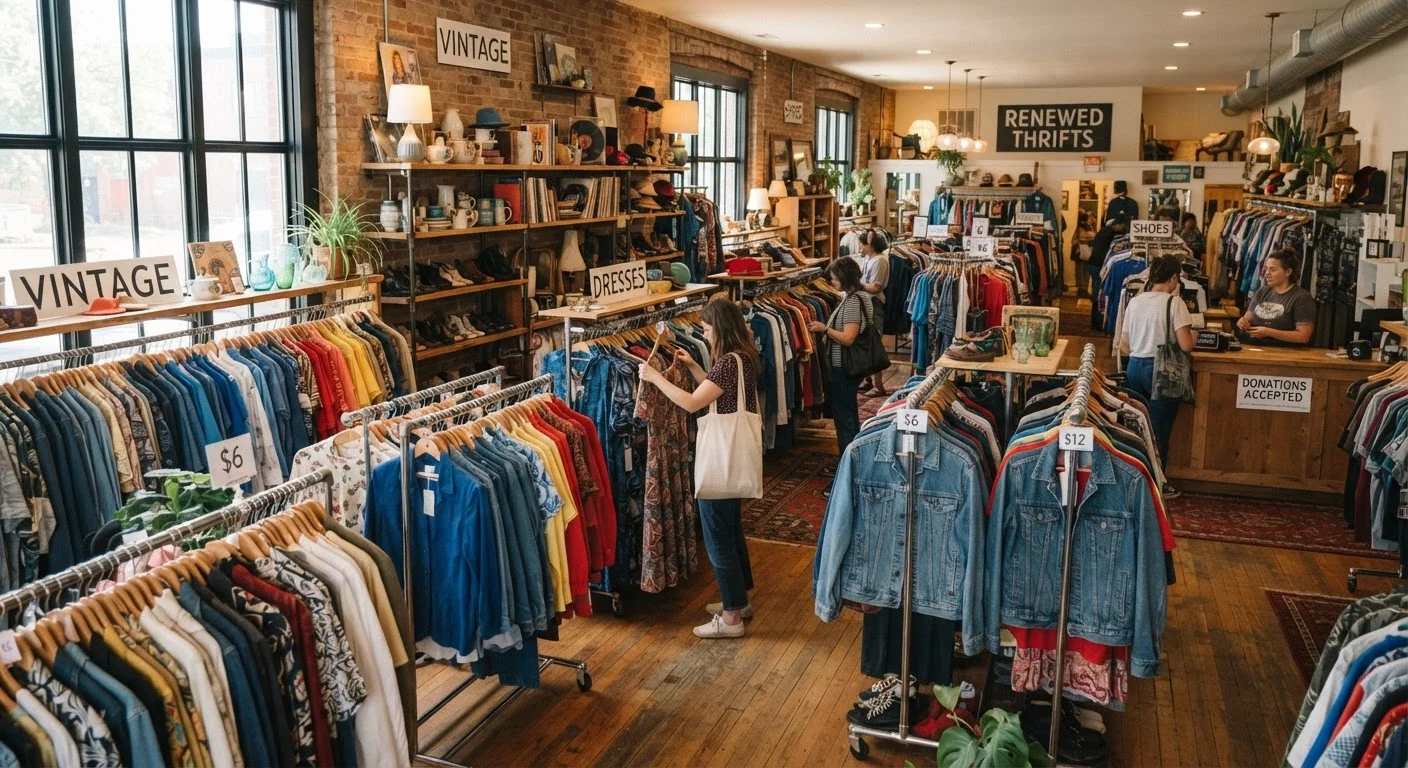
Not long ago, buying used goods carried a social stigma - secondhand shopping was associated with necessity, not preference. That perception has reversed dramatically. The U.S. resale market, which includes thrift stores, peer-to-peer platforms, and certified refurbished goods programs, has expanded at a pace that outstrips traditional retail by a wide margin.
Reports from retail research firms have consistently found that resale apparel alone is projected to reach tens of billions in annual U.S. sales within this decade. Electronics, furniture, sporting goods, and vehicles follow similar trajectories. This isn't a niche trend - it's a structural change in how Americans acquire goods. Understanding why it happened - and where it's going - matters for anyone navigating today's consumer landscape. See also how broader retail is evolving in Tracking Retail's Ongoing Shift from In-Store to Omnichannel.
~$70B
Projected U.S. secondhand apparel market size
ThredUp's annual Resale Report has estimated the U.S. secondhand apparel market could approach this figure within this decade, up from roughly $20B in the mid-2010s.
3x
Resale growth vs. traditional retail
Multiple retail research analyses have found the secondhand market growing approximately three times faster than traditional retail over recent years.
52%
Americans who bought secondhand in the past year
Consumer surveys conducted by resale platforms and third-party researchers have consistently found that over half of U.S. adults made at least one secondhand purchase in a given year.
What's Driving Consumers Toward Resale
No single factor explains the mainstreaming of secondhand shopping. Instead, several forces converged over roughly a decade:
- Economic pressure: Inflation and rising household costs pushed more consumers to seek value outside traditional retail. Buying used often delivers comparable quality at a fraction of the price - a real trade-off that shoppers are increasingly willing to make. The convenience-vs.-savings trade-off sits at the heart of this decision for many households.
- Environmental values: Growing awareness of waste and overproduction - particularly in fast fashion - has made secondhand purchasing feel like an active choice rather than a compromise. Younger consumers especially cite sustainability as a meaningful factor.
- Shifting social norms: Resale has been normalized through media, influencer culture, and peer networks. What once felt like a last resort now reads as savvy or even aspirational in many social circles.
- Digital discovery: Social platforms accelerated resale adoption by making it easy to find, evaluate, and purchase used goods. The role of social media in reshaping how consumers discover products is explored further in Social Media as a Store.
From Thrift Stores to Digital Platforms
Traditional thrift stores - many operated by nonprofit organizations - remain a significant part of the secondhand ecosystem. But peer-to-peer resale platforms have fundamentally changed the market's reach and accessibility. Platforms that allow individuals to list, photograph, and sell used goods directly to buyers created a new class of seller and lowered friction for buyers who might never have browsed a physical thrift store.
This digital layer also improved trust. Buyer protections, seller ratings, and standardized condition descriptions addressed longstanding concerns about purchasing used goods from strangers. At the same time, established retailers - including major department stores and electronics chains - launched certified refurbished or trade-in programs, lending institutional credibility to secondhand goods.
When evaluating a used item online, prioritize platforms that use standardized condition grades - 'Good,' 'Very Good,' 'Like New' - rather than vague seller descriptions. Consistent grading reduces the chance of a mismatch between expectations and reality.
Condition terminology varies widely across sellers and platforms. Platforms that enforce standardized grading tend to generate fewer disputes and higher buyer satisfaction.
For high-value used purchases like electronics or appliances, check whether the platform or seller offers a return window. A 30-day return policy on a refurbished item dramatically changes the risk profile of that purchase.
The biggest hesitation buyers report about secondhand goods is uncertainty about condition. A return window transfers some of that risk back to the seller, making the transaction more comparable to buying new.
For a grounding in the language shaping these consumer shifts, Consumer Trend Terms Every Informed Shopper Should Know breaks down concepts like 'recommerce' and 'circular economy' in plain language.
Resale Across Product Categories
Secondhand shopping is no longer primarily a clothing phenomenon. It spans a wide range of categories:
- Apparel and accessories
- Still the largest segment by transaction volume. Resale platforms focused on fashion have attracted both everyday shoppers and collectors seeking specific styles or eras.
- Consumer electronics
- Refurbished smartphones, laptops, and tablets represent a significant and growing segment. Certified refurbished programs from manufacturers and retailers add warranty protections that make buyers more comfortable.
- Furniture and home goods
- Online marketplaces and local buy-sell-trade groups have made large-item resale more practical. Rising new furniture prices have pushed more consumers toward used options.
- Vehicles
- The used vehicle market is one of the oldest and largest resale categories in the U.S. Supply chain disruptions in new vehicle production intensified demand for used cars and trucks in recent years, demonstrating how external shocks can rapidly accelerate existing trends.
Price dynamics in all of these categories are worth tracking. The Market & Price News hub covers ongoing shifts in what everyday goods cost across consumer verticals.
What This Means for Everyday Shoppers
The mainstreaming of resale creates genuine options that didn't exist at scale a decade ago. For consumers, this means:
- Used goods in many categories now come with stronger condition guarantees, return policies, and buyer protections than in the past.
- Competition between resale platforms and traditional retailers can work in buyers' favor, though prices for desirable used items have also risen as demand increased.
- Knowing how to evaluate a used item - checking condition ratings, understanding platform-specific grading standards, and verifying seller reputation - has become a practical consumer skill.
Approaching secondhand shopping with the same intention you'd bring to any purchase is the foundation of smart consumer behavior. The Consumer Basics hub offers foundational guidance on evaluating purchases across categories.
The secondhand market's growth also signals something broader: American consumers are demonstrating more flexibility about where and how they acquire goods. That flexibility, driven by economics and values alike, is unlikely to reverse. For shoppers willing to look beyond the new-goods aisle, the range of options - and the tools to navigate them - has never been wider. A parallel story of a niche going mainstream can be seen in food culture, explored in The Rise of the Farmers Market.
The content on this site is provided for informational purposes only and should not be considered a substitute for professional advice. While we strive to provide accurate and up-to-date information, we make no guarantees regarding its completeness or accuracy. Always consult a qualified professional for advice specific to your circumstances before making any decisions.