

Our Verdict
Pet insurance can meaningfully reduce the financial shock of unexpected veterinary bills, particularly for dogs prone to hereditary conditions or high-energy breeds at greater injury risk. However, whether it delivers value depends heavily on choosing a plan whose reimbursement structure, deductible, and exclusions align with your dog's actual needs - not just the lowest monthly premium.
Best for owners of young, healthy dogs who want predictable costs and protection against large, unexpected bills rather than routine care reimbursement.
What Pet Insurance for Dogs Actually Covers
Most standard dog insurance policies fall into two broad categories: accident-only and accident-and-illness. Accident-only plans cover injuries from external events - broken bones, lacerations, foreign body ingestion, or toxin exposure. Accident-and-illness plans extend that to diagnoses like cancer, diabetes, ear infections, and orthopedic conditions such as hip dysplasia (provided it isn't classified as pre-existing).
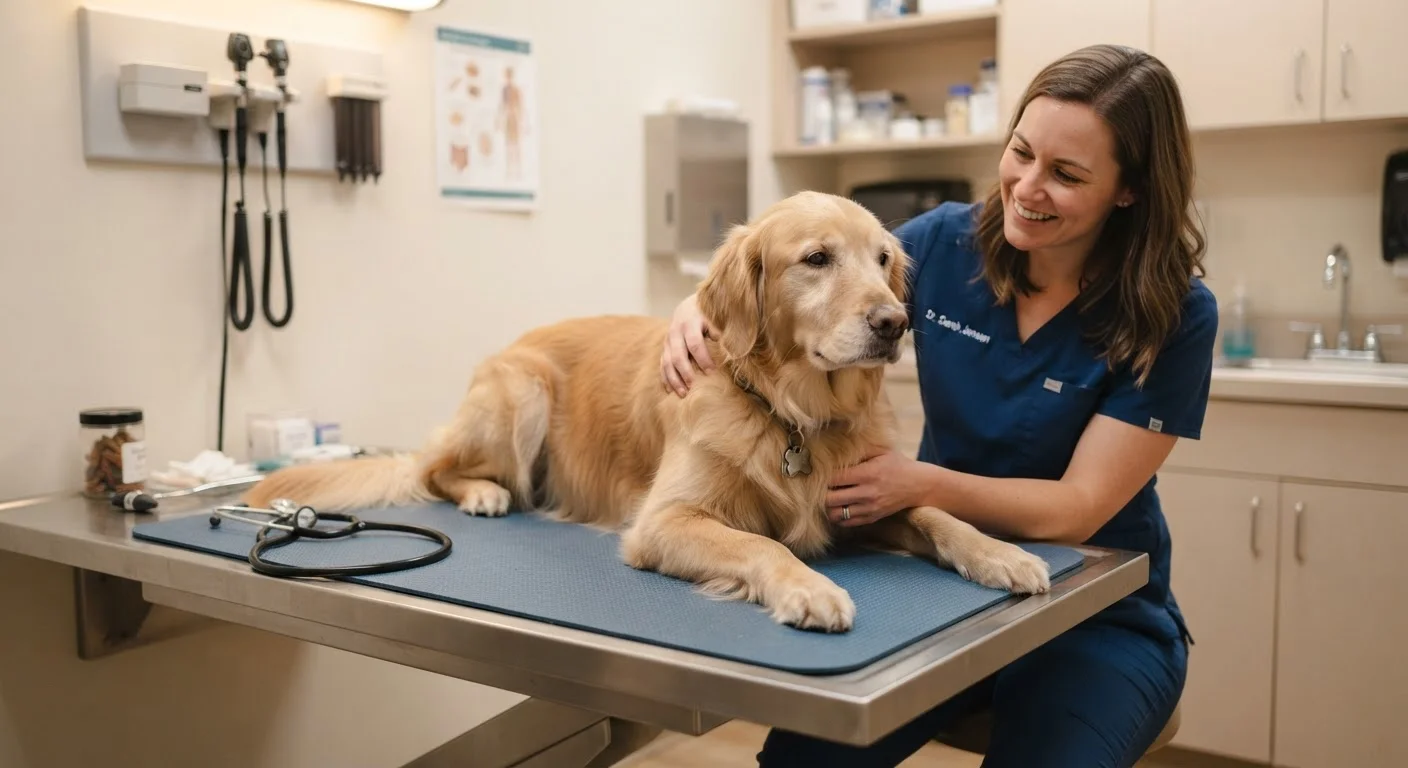
A third tier - wellness or preventive care riders - can be added to some policies. These reimburse for routine costs like annual exams, core vaccines, flea and heartworm prevention, and dental cleanings. Your dog's annual wellness exam typically includes nose-to-tail checks and vaccine reviews; a wellness rider may partially offset these predictable costs, but the math doesn't always favor the rider once you factor in the added premium.
Diagnostic costs - bloodwork, urinalysis, X-rays, MRIs - are generally included under accident-and-illness plans when they are medically necessary to diagnose a covered condition. Specialist referrals, surgery, hospitalization, and prescription medications tied to a covered illness are also typically reimbursable.
Common Exclusions You Need to Know Before You Enroll
The exclusions section of any pet insurance policy deserves as much attention as the coverage summary. Pre-existing conditions are the most significant exclusion: any illness or injury your dog showed signs of before your policy's effective date - or sometimes before a waiting period ends - will likely be excluded for the life of the policy. Some insurers distinguish between curable and incurable pre-existing conditions, reinstating coverage for resolved issues after a symptom-free period.
Other common exclusions include:
- Elective or cosmetic procedures - ear cropping, tail docking, dewclaw removal for non-medical reasons
- Breeding costs - pregnancy, whelping, fertility treatments
- Dental disease - many plans exclude periodontal disease even if they cover dental accidents
- Behavioral treatment - some policies exclude training costs even when addressing anxiety or aggression with a certified specialist
- Parasites - flea infestations, mange, or heartworm may be excluded if deemed preventable
Just as drivers sometimes discover that "full coverage" auto insurance leaves gaps they didn't anticipate, pet owners frequently find their "comprehensive" pet policy excludes the very condition that drove them to purchase coverage in the first place. Read the fine print before enrolling.
Waiting Periods Can Affect New Enrollees
Nearly all pet insurance policies impose waiting periods between enrollment and when coverage activates - commonly 2-3 days for accidents and 14 days or more for illnesses. Orthopedic conditions often carry waiting periods of up to 6 months unless a vet exam waiver is completed. Enrolling your dog while healthy and young minimizes the chance that a condition emerges during a waiting period and becomes permanently excluded.
Understanding Reimbursement Structures, Deductibles, and Limits
The premium is only one piece of your actual cost. Three structural elements determine what you'll truly pay when a claim arises:
- Deductible - the amount you pay before reimbursement begins. Deductibles may be annual (one threshold per policy year, regardless of how many claims) or per-incident (a separate threshold for each new condition). Annual deductibles generally favor dogs with multiple issues in a year; per-incident deductibles can compound costs quickly.
- Reimbursement percentage - typically 70%, 80%, or 90% of eligible expenses after the deductible. A higher percentage means a lower out-of-pocket share but a higher premium.
- Annual or lifetime limits - some plans cap total payouts per year or over the dog's lifetime. Unlimited annual benefit plans exist but cost more; for dogs with serious chronic conditions, a limit can exhaust quickly.
Consider a scenario: your dog undergoes surgery costing $4,000. With an $500 annual deductible and 80% reimbursement, you'd owe $500 plus 20% of the remaining $3,500 - totaling $1,200 out of pocket. Without insurance, you'd pay the full $4,000. Whether that gap justifies years of premiums depends on your dog's risk profile and your financial cushion.
$1,500-$5,000
Typical cost range for canine emergency surgery
The American Veterinary Medical Association notes that emergency procedures such as foreign body removal or orthopedic repair commonly fall within this range, varying by region and hospital type.
~3-5%
Percentage of U.S. pets currently insured
The North American Pet Health Insurance Association (NAPHIA) has reported that pet insurance penetration in the United States remains low relative to countries like the UK and Sweden, where adoption is considerably higher.
14-21 days
Typical illness waiting period before coverage begins
Most insurers impose a waiting period after enrollment before illness coverage activates, meaning conditions that emerge immediately after sign-up may not be covered.
Factors That Affect Your Premium - and How to Evaluate a Plan
Premiums vary based on your dog's age (older dogs cost more to insure), breed (breeds prone to hereditary conditions carry higher risk), location (veterinary costs vary significantly by region), and the coverage tier you select. Dogs kept primarily indoors versus those with active outdoor lifestyles may also carry different risk profiles - something to consider alongside your dog's lifestyle and environment.
When evaluating a plan, work through this checklist:
- Does it cover hereditary conditions common to your dog's breed?
- What are the waiting periods for accidents versus illnesses versus orthopedic conditions?
- Is the deductible annual or per-incident?
- Does the plan use actual veterinary invoice amounts or a benefit schedule (a fixed fee schedule that may not match your vet's actual charges)?
- Are there age cutoffs for enrollment or renewal?
- How does the claims process work - direct payment to the vet, or reimbursement to you?
Comparing plans on these structural points - rather than premium alone - gives you a much clearer picture of real-world value.
Reduces financial impact of unexpected large vet bills
Emergency surgeries, cancer treatment, or hospitalization can run into thousands of dollars. Insurance can absorb a substantial portion of those costs, making treatment decisions less driven purely by finances.
Encourages earlier veterinary care
Owners with insurance are less likely to delay seeking veterinary attention due to cost concerns, which can improve outcomes for conditions caught early.
Predictable monthly expense for budgeting
A fixed premium turns a potentially catastrophic variable cost into a manageable, planned monthly expense - useful for households on a structured budget.
Coverage extends to specialist and emergency clinics
Most accident-and-illness policies reimburse care at any licensed veterinarian, including specialists and 24-hour emergency hospitals, giving you flexibility in a crisis.
Some plans include behavioral and alternative therapy
Select policies cover acupuncture, hydrotherapy, or behavioral consultations when prescribed by a vet, expanding the scope of reimbursable care beyond conventional treatment.
Pre-existing conditions are broadly excluded
Any health issue documented before enrollment - even a single mention in veterinary notes - may be permanently excluded, limiting value for dogs with any health history.
Premiums rise significantly as dogs age
Many insurers increase premiums annually as your dog gets older, meaning costs can become substantial precisely when your dog needs the most care.
Reimbursement rather than upfront payment is the norm
Most plans require you to pay the vet bill in full, then file a claim for reimbursement - meaning you need sufficient cash on hand even with insurance.
Routine care requires extra-cost wellness riders
Standard plans rarely cover vaccinations, annual exams, or preventive medications without an add-on; those riders increase the monthly cost and may not recoup their premium.
Benefit schedule plans may underreimburse
Plans that reimburse based on a fixed benefit schedule rather than actual invoice amounts can leave a significant gap if your veterinarian's rates exceed the schedule's figures.
The content on this site is provided for informational purposes only and should not be considered a substitute for professional advice. While we strive to provide accurate and up-to-date information, we make no guarantees regarding its completeness or accuracy. Always consult a qualified professional for advice specific to your circumstances before making any decisions.