

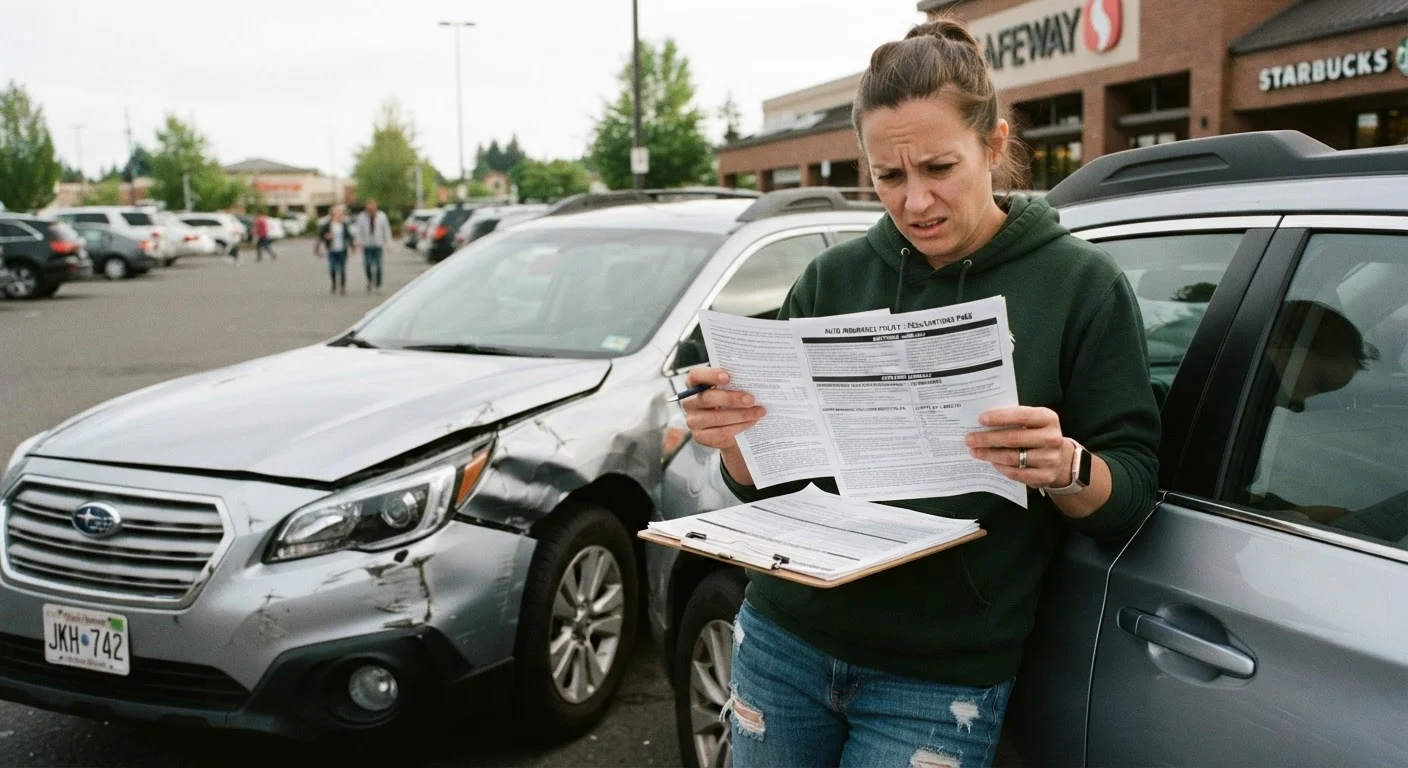
The Problem With a Phrase Everyone Uses
Ask ten drivers what 'full coverage' means and you'll likely get ten different answers. Some assume it covers any damage to their car, no matter the cause. Others think it means they'll never pay out of pocket after an accident. The reality is more complicated - and more consequential.
'Full coverage' is an informal term that typically refers to a combination of liability, collision, and comprehensive insurance. But it is not a standardized policy type defined by law or regulated by any insurance authority. What it actually includes depends entirely on the insurer and the specific policy you purchased. For a clear breakdown of what each coverage type genuinely means, see our Car Insurance Decoded guide.
Below, we address the most persistent myths - and what's actually true.
Myth
Full coverage means my car is protected no matter what happens to it.
Fact
Full coverage typically combines collision and comprehensive, but both come with deductibles, coverage limits, and specific exclusions that can leave you with significant out-of-pocket costs.
Collision coverage pays for damage when your car hits another vehicle or object. Comprehensive covers non-collision events like theft, hail, or fire. But neither pays dollar-for-dollar for your loss. You'll owe your deductible first, and if your car is totaled, you'll receive its actual cash value - which accounts for depreciation, not what you paid or what a replacement costs. A car purchased for $28,000 two years ago might be valued at $19,000 after depreciation, leaving a meaningful shortfall.
Myth
Flood and weather damage are covered under standard full coverage.
Fact
Flood and weather damage are generally covered under the comprehensive portion of a policy - but only if you actually carry comprehensive coverage, and only up to your policy's stated limits minus your deductible.
Comprehensive coverage does include flooding, hail, and storm damage in most standard policies. However, not every 'full coverage' package automatically includes comprehensive - some lower-cost bundles omit it. Drivers in flood-prone areas should confirm explicitly that comprehensive is part of their policy and review any geographic exclusions. Additionally, damage caused by gradual seepage or neglect is typically excluded, even with comprehensive in place.
Myth
My personal auto policy covers me when I drive for a rideshare or delivery service.
Fact
Standard personal auto policies typically exclude commercial or rideshare use. The coverage gap between your personal policy and the rideshare company's commercial coverage can leave you exposed.
When you're logged into a rideshare or delivery app but haven't yet accepted a ride or delivery, many personal policies will deny claims entirely. Rideshare companies typically provide limited liability coverage during this 'Period 1' window - but it may be insufficient. Drivers who use their vehicles for any paid service should ask their insurer explicitly about rideshare endorsements or look into a commercial policy rider. Failing to disclose this use can also result in a claim denial or policy cancellation.
Myth
Full coverage takes care of mechanical breakdowns and component failures.
Fact
Auto insurance - including so-called full coverage - does not cover mechanical or electrical failures that result from wear, age, or manufacturer defects. That's the domain of warranties or separate breakdown protection products.
If your transmission fails, your engine seizes, or your electrical system shorts out due to age or component wear, your auto insurance policy will not pay for repairs. Insurance is designed to cover sudden, accidental damage - not predictable deterioration. Drivers who want protection against mechanical failure should look at their vehicle's manufacturer warranty terms, or explore separate mechanical breakdown coverage if their insurer offers it. For context on what warranties typically exclude, our manufacturer's warranty explainer outlines common gaps.
Myth
Uninsured motorist coverage is included in full coverage automatically.
Fact
Uninsured and underinsured motorist coverage is a separate add-on in most states - it is not automatically included just because you have collision and comprehensive.
Roughly one in seven drivers on American roads carries no auto insurance, according to estimates from the Insurance Research Council. If an uninsured driver causes an accident that injures you or damages your vehicle, your collision coverage can help with vehicle repairs (minus your deductible), but it won't cover your medical expenses or lost wages. Uninsured motorist (UM) and underinsured motorist (UIM) coverage fills that gap - but only if you've purchased it. Some states require it; many do not. Check your declarations page to confirm whether you have it.
Where Gaps Tend to Hurt Drivers Most
Coverage gaps tend to surface in three predictable situations: unusual weather events, vehicle use changes, and disputes over vehicle value. Understanding these in advance lets you ask the right questions before you need to file a claim.
Don't Rely on Your Premium Summary Alone
Your monthly or annual premium statement tells you what you're paying - not what you're actually covered for. The full picture is in your policy's declarations page and the coverage details document. If you've never read those, you may not know about exclusions, sublimits, or conditions that could affect a future claim. Ask your insurer or agent to walk you through each coverage component and its limit if any part of the language is unclear.
It's also worth understanding that 'full coverage' says nothing about the limits on your liability protection. If you cause a serious accident and your bodily injury liability limit is $50,000 but damages total $200,000, you're personally responsible for the difference. Selecting coverage limits based solely on your state's minimum requirements is a common and costly mistake.
For a sharper look at how collision and comprehensive differ - two components that are frequently confused - the Comprehensive vs. Collision breakdown is a useful next read. And if you're still in the process of buying a vehicle and weighing ownership costs, the Buying a Vehicle hub offers broader guidance to help you plan ahead.
This article is for general informational purposes only and does not constitute insurance or legal advice. Coverage terms vary by insurer and state. Consult your policy documents and a licensed insurance professional to understand your specific coverage.
The content on this site is provided for informational purposes only and should not be considered a substitute for professional advice. While we strive to provide accurate and up-to-date information, we make no guarantees regarding its completeness or accuracy. Always consult a qualified professional for advice specific to your circumstances before making any decisions.