

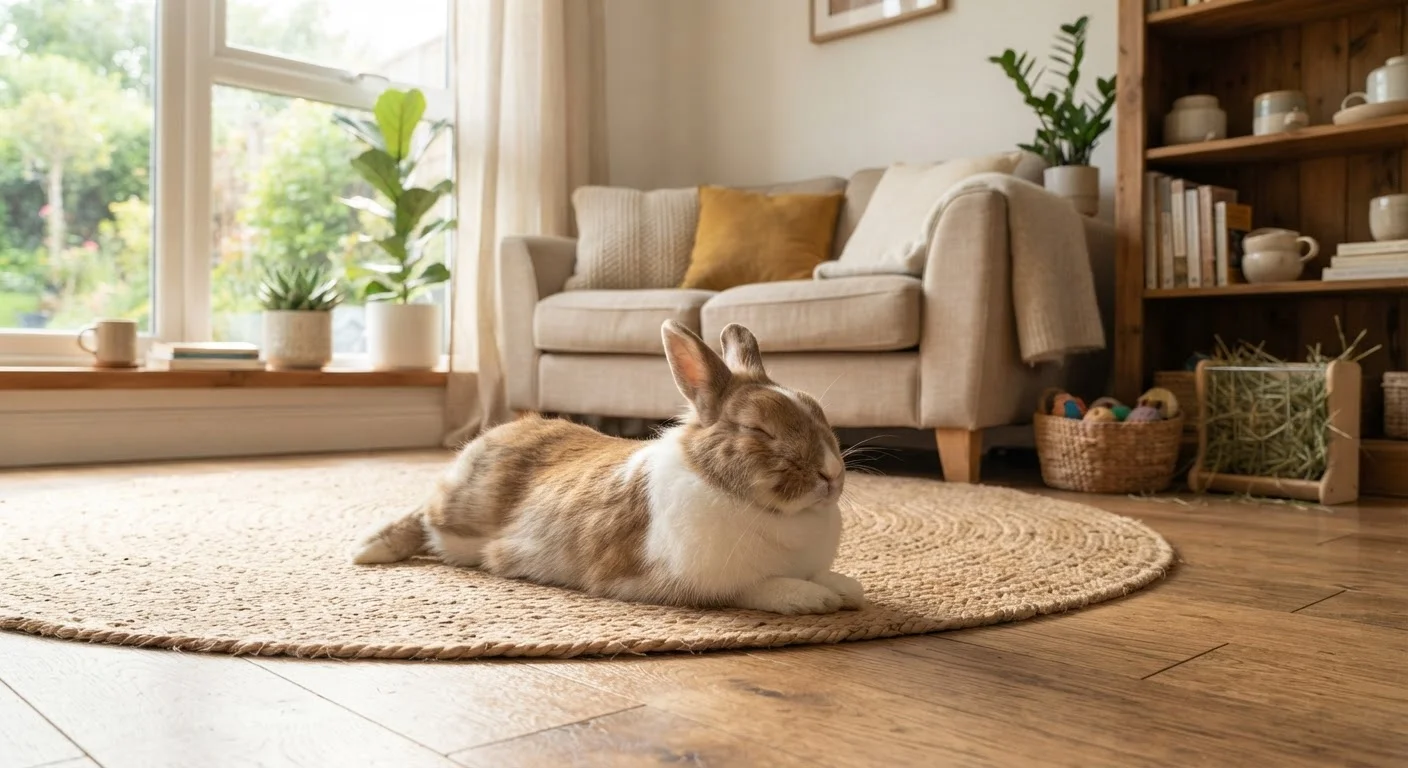
Why Rabbits Aren't the Low-Maintenance Pet Many Expect
Rabbits are among the most misunderstood companion animals in American homes. Frequently marketed toward children or apartment dwellers seeking an easy pet, they are actually complex animals with specific environmental, dietary, and social requirements. The reality of house rabbit life can surprise new owners - in the best possible way, if they come prepared.
Unlike cats or dogs, rabbits communicate subtly. Learning to read their cues takes time and attention. Our guide to reading your rabbit's body language is a helpful starting point for understanding binkies, thumping, and the all-important flop. The investment in understanding your rabbit pays off: a well-cared-for rabbit is curious, playful, and genuinely affectionate.
Rabbits Are a Long-Term Commitment
With a lifespan of 8 to 12 years, adopting a rabbit is a commitment comparable in length to many dog breeds. Potential owners should plan for veterinary costs, daily care time, and the emotional investment of a multi-year relationship. If you're comparing rabbits to other small pets, our articles on guinea pig care and keeping pet gerbils offer useful context for different species' needs.
Space, Freedom, and the Case Against the Tiny Cage
One of the most important shifts in rabbit care thinking over the past two decades is the move away from small hutches toward free-roam or pen setups. Rabbits are crepuscular - most active at dawn and dusk - and they need room to sprint, jump, and explore. A cage that barely fits the rabbit's body is not appropriate as a primary living space.
A reasonable indoor setup includes a spacious enclosure or exercise pen as a home base, along with at least three to four hours of supervised free-roam time daily in a rabbit-proofed area. Rabbit-proofing means securing electrical cords (rabbits chew them readily), blocking access to toxic houseplants, and covering or removing items they might destroy or ingest. Before bringing a rabbit home, our new small pet owner checklist can help you get the environment ready.
Rabbits that are confined without adequate movement are prone to skeletal problems, obesity, and behavioral frustration. Giving them room to run is not a luxury - it's a health requirement.
Diet, Health, and Finding the Right Vet
Hay is the cornerstone of rabbit nutrition. Grass hays like timothy, orchard grass, or meadow hay should make up roughly 80% of a rabbit's diet and be available at all times. Hay wears down their continuously growing teeth and keeps the digestive system - specifically the gut motility - functioning correctly. A rabbit that stops eating hay is a rabbit in trouble.
Fresh leafy greens such as romaine lettuce, cilantro, and kale (in moderation) can be offered daily. High-fiber pellets supplement the diet in small quantities. Fruits and starchy vegetables are occasional treats only - not staples. Foods like iceberg lettuce, onions, avocado, and anything from the allium family are harmful and should never be offered.
8-12 years
Average lifespan of a well-cared-for house rabbit
According to the House Rabbit Society, domestic rabbits living indoors under appropriate care commonly reach 8 to 12 years of age.
~80%
Proportion of diet that should be grass hay
Rabbit nutrition guidelines from exotic animal veterinary associations consistently recommend that grass hay form the vast majority of a rabbit's daily food intake.
3rd
Most popular small companion animal in the US
Rabbits are frequently cited as the third most commonly kept small companion animal in American homes, after dogs and cats.
Health-wise, rabbits require spaying or neutering, annual wellness exams, and prompt attention to any change in eating, elimination, or activity level. Critically, not every veterinary clinic is equipped to treat rabbits - they are considered exotic animals in most clinical contexts. Finding a rabbit-savvy or exotic animal vet before you bring your rabbit home is not optional.
Social Needs and Bonding With Your Rabbit
Rabbits are highly social animals. In the wild, they live in warrens with complex social structures. At home, this translates into a need for regular interaction - either with a bonded rabbit companion or with attentive human housemates. A rabbit left alone for most of the day with little stimulation is at risk of stress and depression.
Many rabbit owners keep bonded pairs, which requires a careful introduction process but results in two animals who groom each other and provide constant companionship. If you're keeping a single rabbit, aim for significant daily interaction and environmental enrichment. Our article on small pet enrichment ideas covers foraging puzzles, tunnels, and safe chew objects that keep rabbits mentally engaged between interaction periods.
Building trust with a rabbit takes patience. Most rabbits warm up gradually to being handled, and they respond best to owners who respect their boundaries - sitting on the floor at rabbit level, letting the rabbit approach first, and avoiding sudden movements. The reward is a pet that may greet you at the door, beg for greens, and curl up nearby while you watch television.
Frequently Asked Questions
Rabbits can be wonderful companions, but they require more specialized care than many beginners expect. Understanding their dietary, social, and space needs before adopting is key to a successful experience. They are generally not recommended as starter pets for very young children.
Most rabbits are affectionate on their own terms but dislike being picked up, as it triggers their prey-animal instinct. They often prefer sitting beside their owners at ground level. With patient, consistent handling, many rabbits become comfortable with gentle contact.
Rabbits need a home base enclosure that is at least four times the length of the rabbit, but ideally much larger. Daily free-roam time in a rabbit-proofed room or area is essential for their physical and mental well-being.
The bulk of a rabbit's diet - around 80% - should be unlimited grass hay, such as timothy or orchard grass. Fresh leafy greens and a small amount of high-fiber pellets round out their daily intake. Sugary treats and starchy foods should be avoided.
Spaying and neutering is strongly recommended by most rabbit-savvy veterinarians. It reduces the risk of certain cancers, improves litter box habits, and calms territorial behaviors. Unspayed females have a particularly high risk of uterine cancer.
Rabbits are highly social and generally thrive with a bonded rabbit companion. A solo rabbit can still live a full life if their owner provides substantial daily interaction, but a pair is often less stressful for the animals themselves.
The content on this site is provided for informational purposes only and should not be considered a substitute for professional advice. While we strive to provide accurate and up-to-date information, we make no guarantees regarding its completeness or accuracy. Always consult a qualified professional for advice specific to your circumstances before making any decisions.