

Why Prices Move on a Calendar
Prices for everyday goods are rarely random. Across groceries, electronics, apparel, and travel, many costs rise and fall on patterns tied to harvest cycles, retail clearance schedules, and demand peaks. Understanding these cycles won't guarantee savings, but it can help you make more informed choices about when to stock up, when to wait, and when a headline about rising prices reflects a temporary spike rather than a lasting shift.
Two broad forces drive seasonal price movement: supply-side cycles (when a product is grown, manufactured, or shipped) and demand-side cycles (when consumers want it most). When supply peaks and demand is low, prices tend to ease. When demand surges and supply is stretched, prices tend to climb. Retail markdowns add a third layer - clearance events tied to inventory turnover rather than underlying commodity costs.
For a deeper look at how retailers layer algorithmic pricing on top of these seasonal patterns, see how dynamic pricing works.
Seasonal Patterns by Category
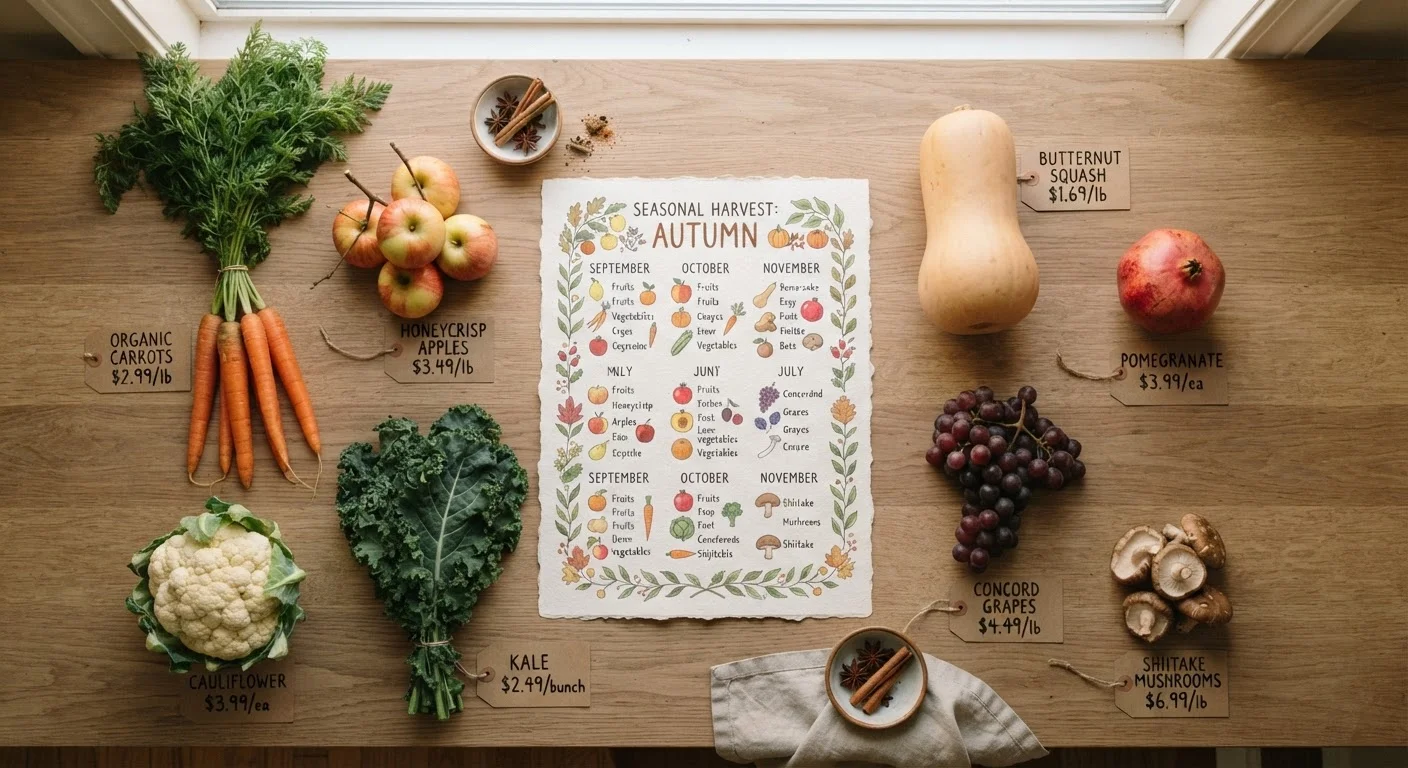
Fresh produce follows harvest calendars most closely. Tomatoes, corn, and stone fruits typically cost less during their local peak harvest season because domestic supply is highest. Out-of-season produce is often imported, adding transportation and storage costs that push prices higher. Root vegetables and citrus tend to peak in fall and winter, which aligns with their natural harvest windows in most U.S. growing regions.
Gasoline prices follow a well-documented seasonal arc. Refineries typically switch to a more expensive summer-blend fuel in spring to meet environmental standards, which contributes to price increases between roughly March and Memorial Day. Prices often soften after Labor Day as summer-blend requirements lift and driving demand drops. Regional factors, global crude prices, and refinery disruptions can amplify or mute this pattern in any given year.
Apparel pricing is driven more by retail inventory cycles than by raw material costs. Retailers typically discount winter clothing in January and February as they clear space for spring lines, and summer clothing in July and August ahead of fall merchandise. Shopping end-of-season clearance is one of the more consistent patterns in retail, though the rise of real-time pricing means markdowns can be less uniform than they once were.
Consumer electronics tend to see price softening around major retail events - historically November and early December - as well as when new product generations are announced and older models are cleared. These patterns are broadly consistent year to year, though individual product cycles vary by manufacturer.
Airfare and lodging prices reflect demand peaks tied to school calendars and holidays. Summer and major holiday windows typically see higher prices for popular destinations. Shoulder seasons - the weeks just before or after peak periods - often offer lower prices for the same routes and properties, though availability and experience may differ. Always verify current pricing directly; travel costs are highly variable.
To separate genuine price trend signals from short-term media noise, here's how to evaluate what's lasting.
Using These Patterns Practically
Seasonal price patterns are tendencies, not guarantees. External shocks - severe weather, supply chain disruptions, energy price swings, or policy changes - can break a pattern that held for years. The 2020-2022 period disrupted many previously reliable retail and grocery cycles in ways that took years to normalize.
The most practical use of this knowledge is planning flexibility into purchases when timing is within your control. If you need a new winter coat, waiting until February clearance is a reasonable strategy. If you're buying something you need immediately, the seasonal pattern is less relevant than the current market price.
Before reacting to a price spike you read about in the news, it's worth asking whether the increase is seasonal, structural, or speculative. A practical checklist can help you evaluate that before changing your spending habits.
For a complementary view focused specifically on retail discount windows, see the breakdown of when retailers actually drop prices by season.
Seasonal price cycle
A recurring, calendar-driven pattern in which prices for a product rise or fall at roughly the same time each year. These cycles are driven by harvest seasons, manufacturing schedules, or predictable shifts in consumer demand.
Summer-blend fuel
A formulation of gasoline required by the EPA during warmer months to reduce evaporative emissions. It costs more to produce than winter-blend fuel, which typically contributes to higher pump prices in spring and early summer.
Shoulder season
The travel period just before or after a destination's peak season. Demand - and often pricing - is lower than during peak windows, though weather or availability may be less ideal.
Clearance cycle
A retail practice of discounting end-of-season merchandise to free shelf and warehouse space for incoming inventory. Timing is tied to the retail calendar rather than commodity costs.
Supply-side shock
An unexpected event - such as a drought, hurricane, or supply chain disruption - that reduces the availability of a product and can push prices above their normal seasonal range.
The content on this site is provided for informational purposes only and should not be considered a substitute for professional advice. While we strive to provide accurate and up-to-date information, we make no guarantees regarding its completeness or accuracy. Always consult a qualified professional for advice specific to your circumstances before making any decisions.