

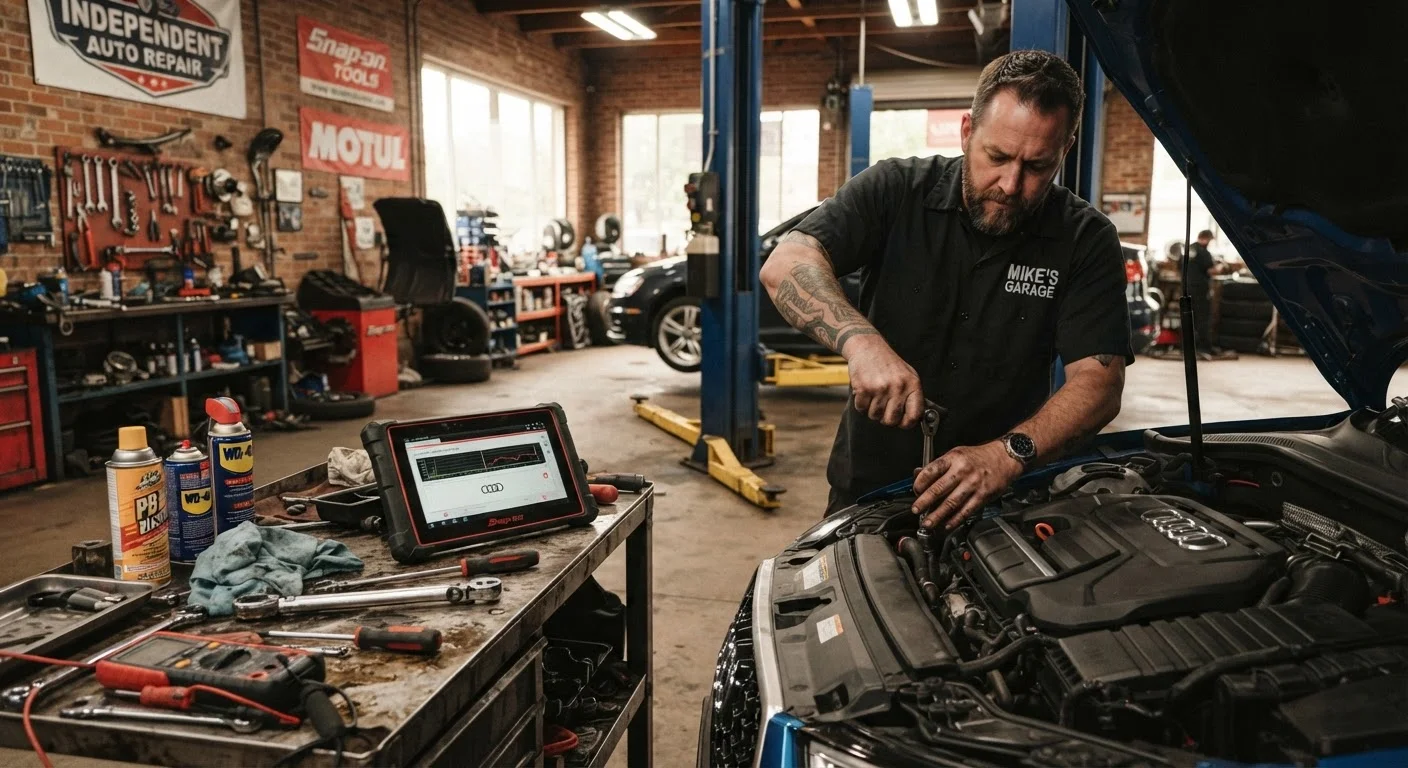
Why Repairing a Modern Car Has Become Complicated
Fixing a vehicle used to mean a wrench, some mechanical knowledge, and the right parts. Today's cars are rolling computers. Sensors, software modules, and telematics systems govern everything from braking to fuel injection - and accessing that software often requires manufacturer-specific diagnostic tools that independent shops and vehicle owners simply cannot obtain.
This shift has fueled a growing consumer and policy movement. Right-to-repair advocates argue that when a manufacturer controls who can access repair data, they effectively control where you get your car fixed - and what you pay for it. For everyday vehicle owners, that often means fewer choices and higher bills. Understanding this debate matters whether you rely on an independent mechanic or handle maintenance yourself. See the Vehicle Ownership hub for practical guidance on managing the costs and responsibilities of owning a car.
The Core Arguments on Each Side
The right-to-repair debate in the auto industry centers on a fundamental question: who owns the information needed to service a product you already own?
Advocates for right-to-repair - including independent repair shops, aftermarket parts manufacturers, and consumer groups - argue that restricting access to diagnostic software and technical data is anti-competitive. It channels repair revenue toward dealership networks, reduces consumer choice, and can leave owners in rural or underserved areas with few practical options.
Automakers and some safety groups counter that proprietary systems exist for legitimate reasons. Opening vehicle telematics and software to any third party, they argue, creates real cybersecurity risks. A compromised vehicle system isn't just inconvenient - it can pose safety hazards on the road. Manufacturers also point to the complexity of modern software: an incorrect diagnostic or unauthorized software patch could mask underlying problems or trigger unintended behavior.
Common Ground in the Debate
Both sides generally agree that some level of standardized access should exist. The disagreement is about scope: how much data must be shared, under what conditions, and with what safeguards in place. Industry memoranda of understanding, like the one developed after the 2012 Massachusetts law, show that negotiated agreements are possible - even if they remain contested.
Both sides generally agree that some level of standardized access should exist. The disagreement is about scope: how much data must be shared, under what conditions, and with what safeguards in place.
Where the Law Stands
Massachusetts has been the focal point of auto right-to-repair policy in the United States. The state passed a law in 2020 expanding access requirements for vehicle telematics data, though legal challenges from automakers have delayed full implementation. Voters in Massachusetts had previously passed a 2012 right-to-repair law that became a national model for industry data-sharing agreements.
At the federal level, several bills have been introduced in Congress that would establish national right-to-repair standards across multiple industries, including autos. None have become law as of this writing, but the legislative conversation reflects broader momentum. Consumer advocacy organizations note that repair restrictions touch on fundamental consumer rights that extend well beyond automobiles.
The Federal Trade Commission has also weighed in, issuing a policy statement indicating that repair restrictions can harm consumers and directing greater scrutiny toward manufacturers that use software locks or data restrictions to limit third-party repair.
What This Means for Vehicle Owners
For the average car owner, right-to-repair legislation could have tangible effects. Greater access to diagnostic data for independent shops would likely increase competition in the repair market. More competition generally benefits consumers through pricing pressure - though outcomes are never guaranteed, and repair markets vary significantly by region.
The debate also affects how much you can realistically do yourself. Some vehicle repairs remain within reach for a careful home mechanic; others require professional equipment regardless of data access rules. It's worth understanding the difference before tackling any job. Our guide on DIY car maintenance vs. taking it to a mechanic can help you assess which tasks make sense to attempt on your own, and our article on common DIY repair assumptions highlights where well-intentioned efforts can backfire.
As vehicle software grows more sophisticated, the question of repair access will only become more pressing. Staying informed about policy developments in your state - and understanding your existing warranty rights - puts you in a stronger position as a vehicle owner.
Frequently Asked Questions
It would give you more options for where to get your vehicle serviced, potentially including independent shops and even qualified self-repair. Without these protections, some manufacturers can restrict diagnostic data and tools to their own dealership networks, limiting competition and potentially increasing repair costs.
Massachusetts enacted a significant auto right-to-repair law, and the state has been at the center of ongoing legal disputes between automakers and regulators. At the federal level, bills have been introduced but comprehensive national legislation has not yet passed as of this writing.
Manufacturers cite cybersecurity vulnerabilities, safety risks from unqualified repairs, and the protection of proprietary technology as primary objections. They argue that open access to vehicle telematics and software could expose owners to hacking or unsafe modifications.
Under existing federal law - specifically the Magnuson-Moss Warranty Act - manufacturers generally cannot void a warranty solely because you used an independent shop or aftermarket parts. However, actual warranty terms vary, and this area of law continues to evolve.
Independent repair shops, aftermarket parts suppliers, consumer advocacy groups, and some environmental organizations back the movement. Supporters argue it promotes competition, reduces repair costs, and extends the useful life of vehicles.
Newer vehicles continuously collect and transmit data through telematics systems covering performance, location, and component status. Who owns and controls that data - and who can access it for repairs - is one of the most contested points in current right-to-repair negotiations.
The content on this site is provided for informational purposes only and should not be considered a substitute for professional advice. While we strive to provide accurate and up-to-date information, we make no guarantees regarding its completeness or accuracy. Always consult a qualified professional for advice specific to your circumstances before making any decisions.