

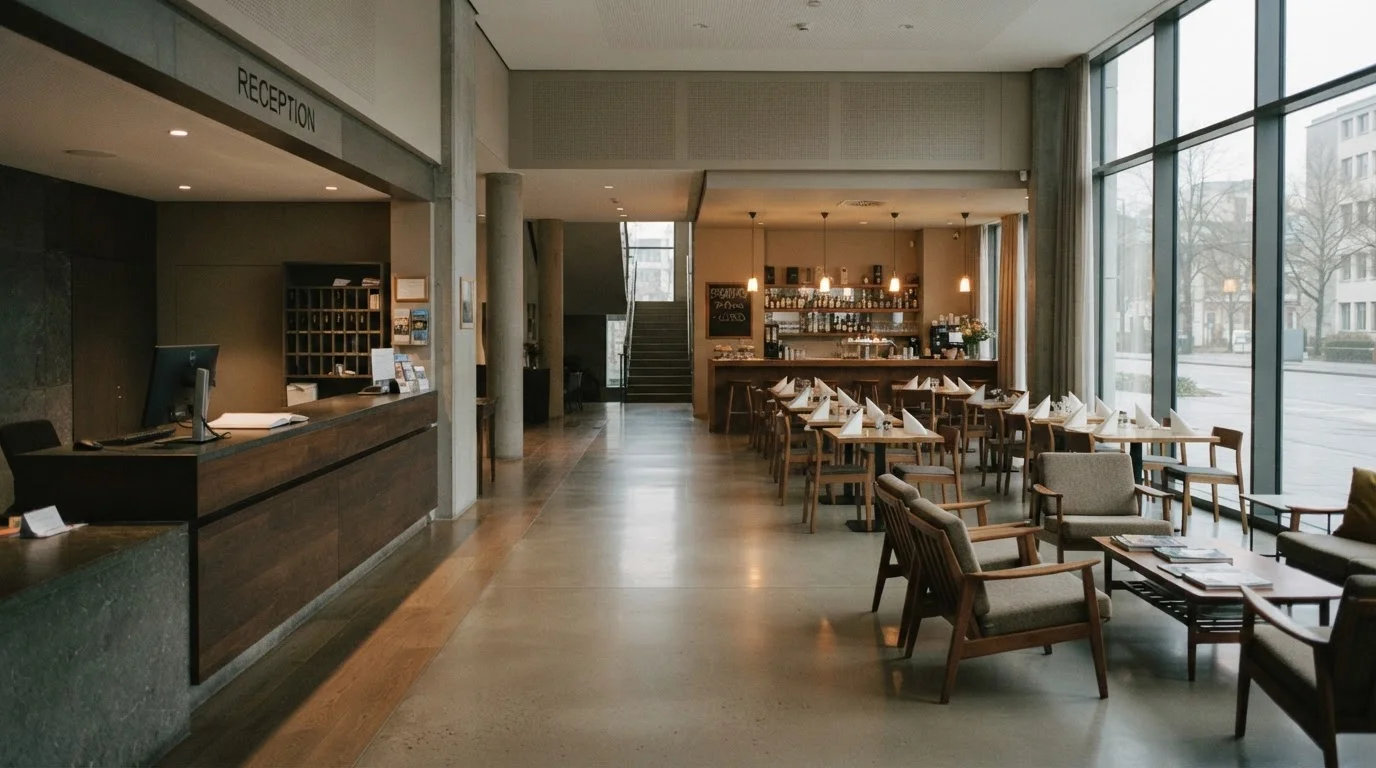
A Workforce That Didn't Come Back
When the hospitality industry shut down in early 2020, it shed jobs faster than almost any other sector of the U.S. economy. Restaurants closed dining rooms, hotels emptied out, and millions of workers - cooks, housekeepers, front desk agents, servers - were suddenly unemployed. That alone was not unusual for an economic shock. What changed the industry permanently was what happened next: a large share of those workers didn't return.
Instead, many found employment in warehousing, retail, healthcare, and remote office work - industries that offered more predictable hours and, in some cases, comparable or better pay. By the time restaurants and hotels fully reopened, operators discovered that the labor pool they had counted on for decades had fundamentally contracted. The U.S. Bureau of Labor Statistics tracked years of elevated job openings in leisure and hospitality, well above historic norms, as the industry struggled to rebuild its workforce.
The shortfall was felt in immediate, visible ways. Dining rooms operated at reduced capacity not because of restrictions, but because there weren't enough servers. Hotels cut daily housekeeping to every few days, or eliminated it as a default option entirely. Some properties closed amenities - pools, concierge desks, on-site restaurants - that required specialized or sufficient staff to run safely.
How Operators Responded: Wages, Automation, and Simpler Menus
Faced with persistent vacancies, hospitality businesses pursued several strategies simultaneously. The most immediate was raising wages. Average hourly earnings in leisure and hospitality climbed notably in the years following the reopening, driven by competition for a smaller available workforce. For smaller independent restaurants and hotels operating on thin margins, those wage increases were difficult to absorb without passing costs along to customers.
Automation accelerated as both a response to short-term gaps and a longer-term cost strategy. Hotels rolled out app-based check-in and digital room keys, reducing front-desk staffing requirements. Some properties deployed automated luggage carts and piloted robotic room service. Restaurants invested in self-ordering kiosks and QR-code menus that reduced the number of staff needed per table.
Menu simplification became another tool. Kitchens that once ran extensive menus discovered that leaner offerings required fewer skilled prep cooks and reduced food waste during unpredictable service periods. That logic is examined in more detail in how chains approached menu reduction, which connects staffing and supply chain pressures to the trend of trimmed offerings. The rise of food delivery platforms also intersected with these changes, encouraging ghost kitchen models that require fewer front-of-house workers.
What Travelers Should Know Before Booking
Hotel amenities and service hours vary more widely now than they did before 2020. Before booking, check property pages or call ahead to confirm which services - housekeeping frequency, restaurant hours, fitness center access - are currently available. What's listed on a hotel's homepage may not reflect current staffing-driven limitations.
The Price and Experience Consequences for Consumers
The structural shifts inside hospitality businesses translated into tangible changes for travelers and diners. Menu prices at full-service restaurants remained elevated even after supply chain pressures eased, partly because labor cost increases proved sticky - operators who raised wages to attract workers rarely reversed those increases when conditions stabilized. The dynamic mirrored broader consumer goods trends explored in analyses of supply chain price effects.
For hotel guests, the post-shortage era introduced a new set of expectations. Amenities that travelers previously assumed were standard - nightly turndown, full breakfast buffets, 24-hour concierge - became premium offerings or disappeared from mid-tier properties entirely. The competitive landscape for accommodations also shifted, with short-term rental platforms filling some of the service gaps, a development covered in discussions of the short-term rental regulatory environment.
For workers who remained in hospitality or are considering entering it, the landscape shifted as well. Wages improved, but so did expectations around workload. Some roles were redesigned entirely - a reminder that durable skills in adaptable fields tend to hold value through industry disruptions. The hospitality workforce that emerges from this period will likely look different in composition, compensation, and the tasks it handles day to day.
~8M
Leisure & hospitality jobs lost in spring 2020
The U.S. Bureau of Labor Statistics recorded one of the sharpest single-sector job losses on record during the initial pandemic shutdowns.
2+ years
Duration of elevated hospitality job openings
BLS data showed the leisure and hospitality sector sustained historically high unfilled job openings well into the post-reopening period.
~25%
Increase in average hourly earnings (leisure & hospitality)
Average wages in the sector rose substantially between 2020 and 2023 as operators competed for a reduced labor pool, according to BLS data.
Frequently Asked Questions
Mass layoffs during the pandemic prompted many workers to transition to other sectors with more stable schedules and pay. Some pursued remote work opportunities, while others left the workforce entirely. The combination of low wages, unpredictable hours, and public-health concerns made the return to hospitality less appealing.
Many restaurants simplified their menus, reduced operating hours, and invested in digital ordering systems. Some shifted to counter-service models to lower front-of-house staffing needs. These changes were designed to maintain revenue with smaller teams.
Many hotels have scaled back services like daily housekeeping and 24-hour room service, changes that became standard during the labor crunch. Some of these reductions have remained as permanent policy rather than temporary measures, even as hiring has improved.
Labor costs are a major input for both industries, so when wages rose to attract workers, prices for consumers followed. This was compounded by supply chain pressures that also pushed up food and goods costs simultaneously.
Hotels expanded mobile check-in and digital room keys, reducing reliance on front-desk staff. Restaurants deployed self-ordering kiosks, QR-code menus, and automated kitchen equipment. Some properties piloted delivery robots and AI-assisted scheduling tools.
Industry analysts generally do not expect a full return to pre-2020 staffing patterns. Structural changes - including automation, modified service models, and lasting wage increases - have reshaped what "normal" looks like. Businesses have largely adapted operations to function with leaner teams.
The content on this site is provided for informational purposes only and should not be considered a substitute for professional advice. While we strive to provide accurate and up-to-date information, we make no guarantees regarding its completeness or accuracy. Always consult a qualified professional for advice specific to your circumstances before making any decisions.