

Our Verdict
Shopping local is neither a universal virtue nor a financial mistake-it depends heavily on what you're buying, where you live, and what you value. For perishables, specialty goods, and community investment, local often delivers genuine advantages. For everyday staples where price pressure is real, chain retailers frequently win on cost and consistency.
Consumers who already have some budget flexibility and want to balance household savings with meaningful community economic impact.
The 'Shop Local' Movement Has Real Roots-and Real Limits
The push to support local businesses accelerated sharply after the disruptions of 2020, when many small shops either closed or became community lifelines. Advocacy campaigns like Small Business Saturday and various municipal 'buy local' initiatives gave the movement institutional backing. But the honest question many consumers quietly ask is: can I actually afford it?
The answer is nuanced. Pricing at independent retailers varies enormously by category, region, and business model. A neighborhood butcher may charge noticeably more per pound than a warehouse club, while a local hardware store might match or undercut a big-box competitor on specialty items simply because it carries less overhead on slow-moving stock. Understanding where the price gap is largest-and whether it's justified-helps consumers make deliberate choices rather than reflexive ones.
For a broader look at how everyday trade-offs shape spending, see how convenience costs quietly add up.
The Case for Spending Locally
Economic research consistently supports one core idea: money spent at locally owned businesses recirculates through the regional economy at a higher rate than money spent at national chains. This concept-often called the local multiplier effect-reflects the fact that independent owners tend to hire locally, source from nearby suppliers, and bank with community institutions.
Higher share of spending stays in local economy
Studies by organizations like the American Independent Business Alliance have estimated that local businesses recirculate a significantly larger share of revenue within their communities compared to national chains, supporting jobs and local tax bases.
Fresher food with shorter supply chains
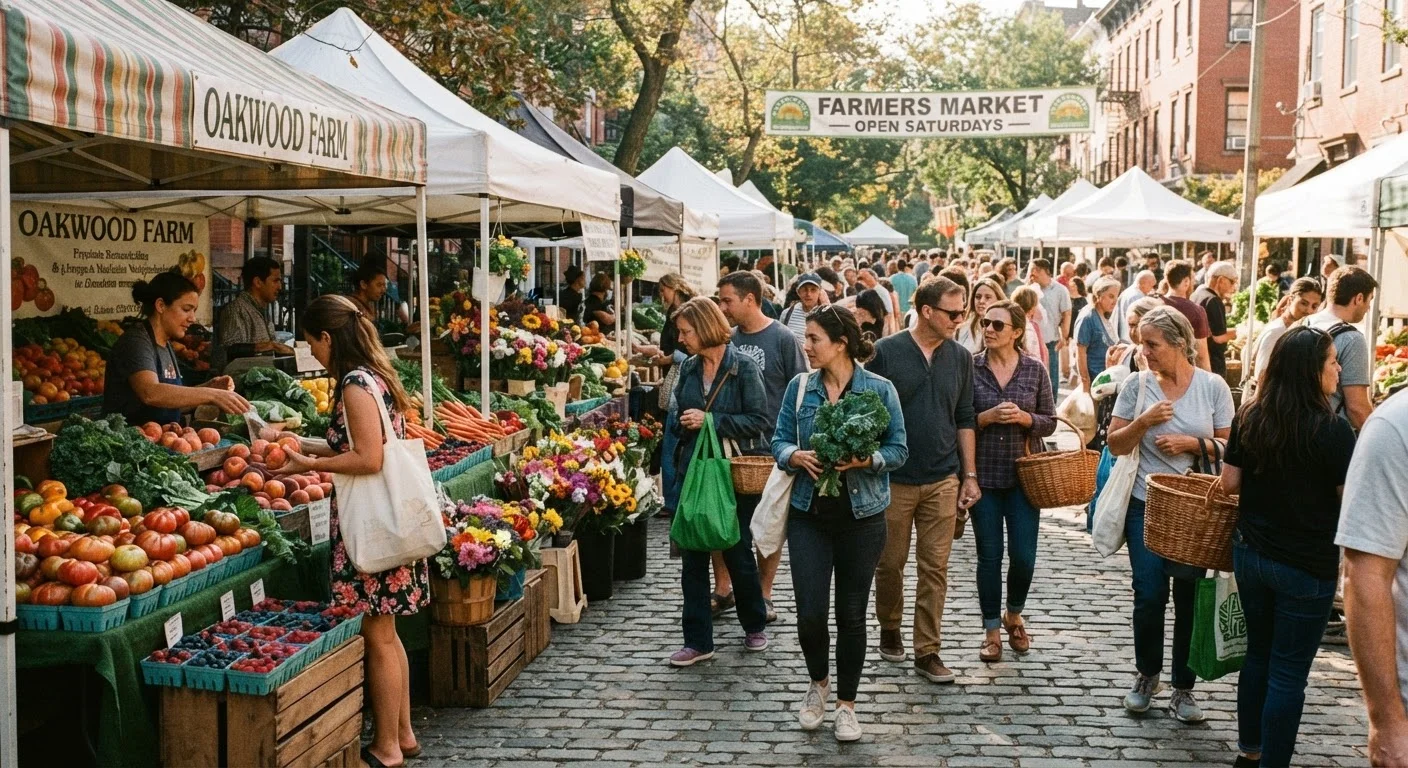
Independent grocers, butchers, and farmers market vendors typically source from regional farms, reducing transit time and often delivering fresher product than items shipped through national distribution networks.
Personalized service and product expertise
Independent retailers often employ staff with deeper product knowledge and more flexibility to accommodate individual customer needs, which can reduce the cost of mistakes or returns.
Supports community identity and economic diversity
Neighborhoods with diverse independent businesses tend to be more economically resilient and distinctive-factors that affect local property values and quality of life over time.
Beyond economics, locally owned food businesses in particular often source from shorter supply chains, which can mean fresher produce and more traceable ingredients. For consumers concerned about food quality or provenance, that's a meaningful distinction-not just a marketing pitch.
Where Going Local Genuinely Costs You
Goodwill aside, the price premium at many independent retailers is real and documented. Small businesses face higher per-unit purchasing costs because they lack the volume leverage that major chains use to negotiate with suppliers. Those costs get passed on. For households managing tight budgets, paying 15-30% more for staple groceries at a local market rather than a discount chain isn't a small sacrifice.
Higher prices on everyday staple items
Without the bulk purchasing power of national chains, independent retailers typically pay more per unit from suppliers-costs that translate directly into higher shelf prices for consumers on routine purchases.
Narrower product selection and availability
Most independent stores stock a fraction of the SKUs available at large-format retailers or online platforms, which can require multiple stops or compromise purchases.
Inconsistent quality and business continuity
Small businesses close at higher rates than established chains, meaning a favorite local shop may not be available when you return-a reliability issue that matters for routine purchases.
Geographic access is uneven across communities
In many rural areas and lower-income urban neighborhoods, viable local alternatives to chain retailers are scarce, making 'shop local' advice less actionable for a significant share of the population.
Selection is another practical constraint. Chain retailers and e-commerce platforms can offer product breadth that most independent stores simply cannot match. For consumers in rural or lower-income areas, local options may also be geographically sparse, making the 'go local' choice less a preference than a logistics problem. As market and price pressures continue to evolve, understanding the real cost of each choice matters more than ever.
How to Think About the Trade-Off by Category
Not all purchases respond to the local-vs-chain calculus the same way. A rough framework helps:
- Fresh food and produce: Local often wins on quality and freshness; the premium is frequently justified if the household budget allows.
- Staple packaged goods: Chain retailers and warehouse clubs almost always offer lower prices; local stores rarely compete here.
- Specialty or craft goods: Local makers can offer genuinely unique products unavailable elsewhere; comparison shopping is less relevant.
- Services (repair, salon, restaurant): Price parity is more common, and local providers often offer more personalized service.
What 'Local' Actually Means Varies Widely
There's no standardized legal definition of a 'local business' in U.S. retail. The term can apply to a sole proprietor with one location or a regional chain with dozens of stores. Some businesses market as local while sourcing products from the same national distributors as large chains. Consumers who want to maximize community impact may want to ask directly about ownership structure and supply sourcing rather than relying on branding alone.
When dining out, the local-vs-chain distinction matters for both budget and experience. Strategies for eating out without overspending apply whether you're choosing an independent bistro or a chain restaurant.
It's also worth remembering that 'local' pricing is never the only hidden variable in retail. Sale pricing at any store can obscure real costs, and the same psychological tactics operate at independent retailers as at large chains.
The content on this site is provided for informational purposes only and should not be considered a substitute for professional advice. While we strive to provide accurate and up-to-date information, we make no guarantees regarding its completeness or accuracy. Always consult a qualified professional for advice specific to your circumstances before making any decisions.