

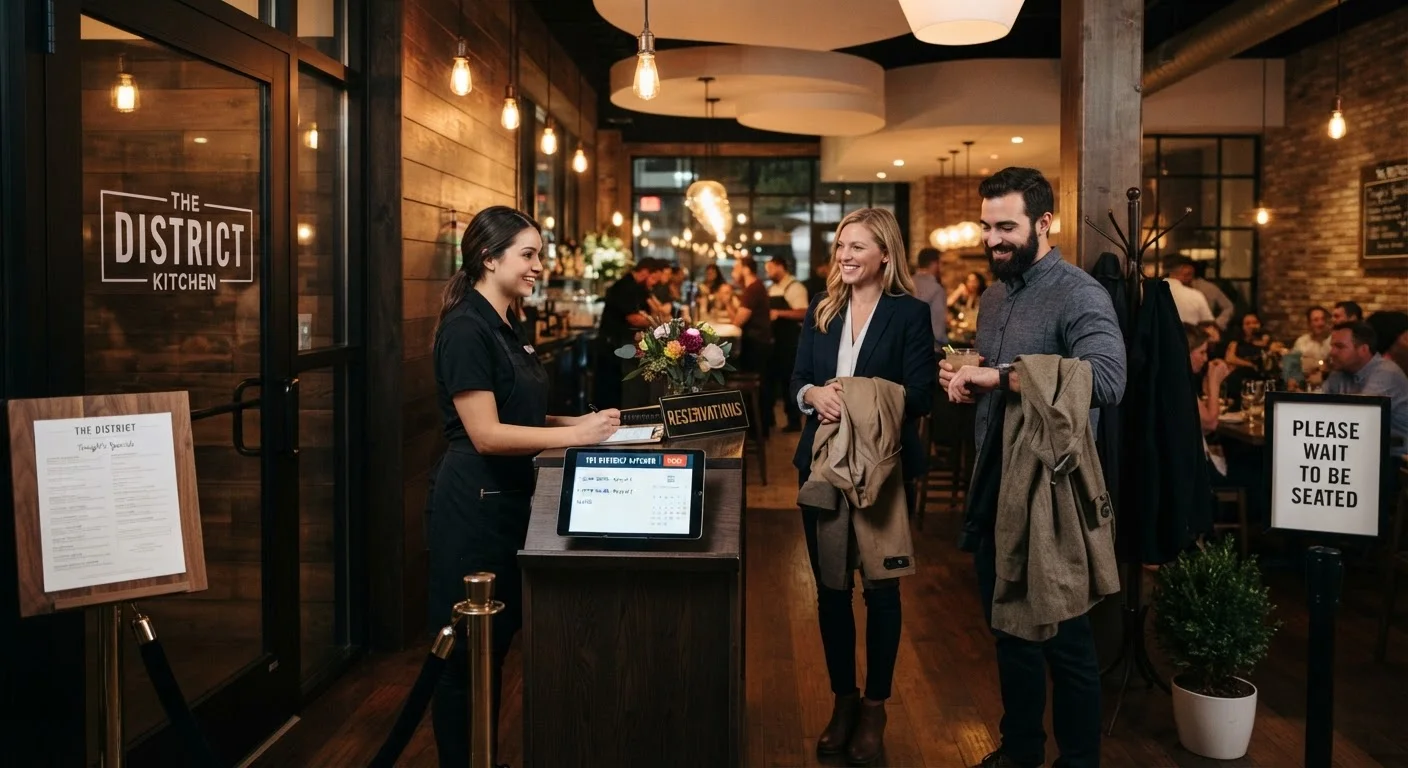
Three Ways Restaurants Manage Their Tables
Modern restaurants generally use one or more of three access systems: advance reservations, walk-in seating, and waitlists. Which system a restaurant relies on - and how prominently - reflects its style, size, and demand level.
Advance reservations allow guests to claim a specific time slot before arriving. This works well for date nights, group dinners, or any occasion where uncertainty isn't welcome. Walk-in seating means showing up without prior arrangement and being seated based on available space - it's still the default at most neighborhood spots and casual eateries. Waitlists sit between the two: you arrive without a reservation but add your name to a queue, then wait for a table to open.
Many restaurants use all three simultaneously. A busy brunch spot might reserve a portion of tables in advance, keep others for walk-ins, and run a waitlist on Saturday morning when both categories are full.
How Reservation Platforms Actually Work
Several digital platforms now handle the bulk of restaurant reservations in the U.S. They let diners search by date, party size, and time, then confirm a booking instantly. Restaurants manage their inventory - the number of tables, time slots, and party sizes they're willing to book - on the back end.
From a diner's perspective, the process is simple: create an account, search for the restaurant, select an available time, and confirm. Most platforms send email and text reminders, and cancellations can usually be made through the same interface.
Check Availability by Phone, Not Just Online
If a restaurant shows no open slots on a booking platform, call the restaurant directly before giving up. Many establishments hold back a portion of their tables from digital systems and fill them by phone or at the door. A brief, polite call takes under two minutes and often turns up options that aren't visible online.
One important nuance: availability shown on a platform only reflects what the restaurant has chosen to release online. Some restaurants reserve a portion of seats for walk-ins or phone bookings and never list them digitally. If an online search shows nothing available, it's worth calling the restaurant directly.
For more on how dining decisions connect to broader planning habits, see our take on when advance booking helps and when it doesn't.
The Walk-In Experience: What to Expect
Walking in without a reservation is still a perfectly reasonable strategy at most restaurants in America, particularly during lunch, on weeknights, or outside of major holidays. The key is timing and flexibility.
When you arrive, approach the host stand and tell them your party size. The host will check current availability, give you an honest wait estimate, and either seat you immediately or add you to a waitlist. Being flexible about seating location - bar seats, counter seating, or a smaller table - often gets you seated faster.
Bar seating versus table seating is worth understanding: bar spots are frequently available even when the dining room is fully committed, and they often come with a distinct, lively experience that suits solo diners or couples particularly well. Speaking of which, dining solo pairs naturally with walk-in culture - smaller parties are nearly always easier to seat quickly.
Waitlists: Digital and In-Person
Waitlists have been transformed by technology. Where guests once wrote their name on a paper list and waited in a crowded lobby, many restaurants now use app-based or text-based systems that let you wait off-site and receive a notification when your table is close.
Some platforms allow you to join a waitlist remotely before you leave home, so you arrive having already secured a position in the queue. Others require you to appear in person first. Either way, once you're on a digital waitlist, you'll typically receive a text message with a link to track your position and confirm you're still coming.
In-person paper waitlists still exist at smaller or independently owned restaurants. The etiquette is straightforward: give your name and phone number, ask for a realistic wait estimate, stay within earshot or a reasonable distance, and respond promptly when called. Leaving the area without telling the host risks losing your spot entirely.
For diners watching spending, waitlist flexibility pairs well with broader smart-dining habits - see our guide on eating out without overspending for timing and value strategies that complement how you get your table.
Once You're Seated: Making the Most of It
Whether you reserved ahead, walked in, or waited, arriving at your table is just the beginning. Taking a moment to orient yourself - understanding the menu format, noting the server's rhythm, and clarifying any specials - sets you up for a smoother meal. Our guide to reading a restaurant menu like a pro covers how to decode structure, spot value, and order with confidence.
No matter how you accessed the table, the same principles apply: be clear about dietary needs early, ask questions about dishes you don't recognize, and understand that peak-hour service moves differently than a quiet Tuesday dinner. Treating the access system as just one part of the dining experience - rather than the whole challenge - keeps the focus where it belongs: on the meal itself.
Frequently Asked Questions
No - the majority of casual and mid-range restaurants in the U.S. accept walk-ins regularly. Reservations become more important at popular fine-dining spots, smaller tasting-menu restaurants, and weekend prime-time slots. When in doubt, check the restaurant's website or call ahead.
Many restaurants, especially higher-end ones, now hold a credit card at booking and charge a no-show fee if you cancel late or don't appear. Fees typically range from $15 to $50 per person. Always cancel within the window specified - usually 24 to 48 hours in advance.
You add your name and party size through an app or at the host stand, and the restaurant texts you when your table is nearly ready. You don't have to stand in the lobby - most restaurants will give you a radius within which to stay. When notified, you generally have a few minutes to return before losing your spot.
Most major booking platforms are free for guests to use. Some restaurants charge a nominal fee to hold a reservation at premium time slots, and a small number of destination or event-style restaurants require prepaid tickets rather than traditional reservations.
Check the booking platform early in the morning, as cancellations often surface overnight and are released at set times. Also consider bar seating, which typically doesn't require a reservation. Visiting during lunch service or on weekdays significantly improves your odds.
The content on this site is provided for informational purposes only and should not be considered a substitute for professional advice. While we strive to provide accurate and up-to-date information, we make no guarantees regarding its completeness or accuracy. Always consult a qualified professional for advice specific to your circumstances before making any decisions.