

Our Verdict
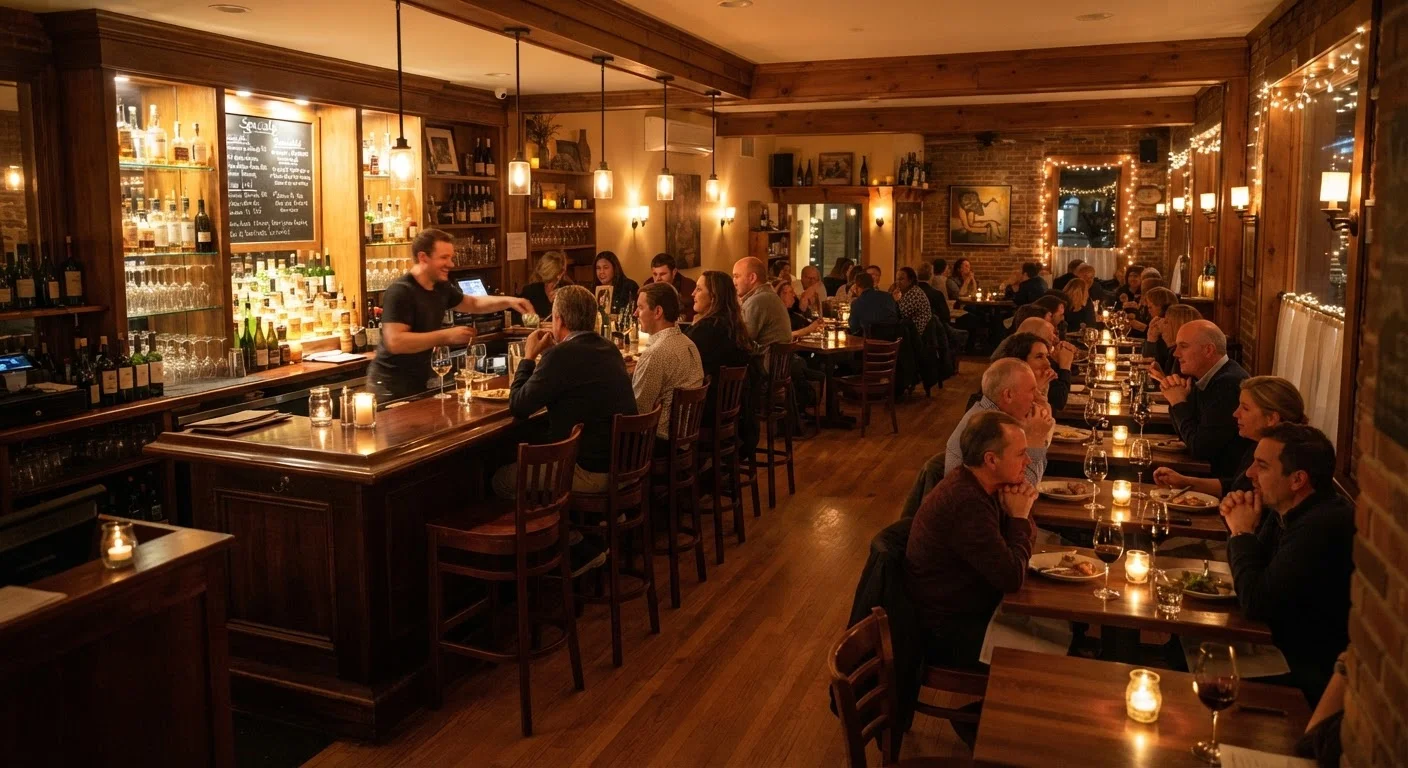
Bar seating and table seating each serve distinct dining needs. The bar excels for solo diners, quick meals, and those who want engagement with staff and the kitchen's energy. Tables win for groups, special occasions, and anyone who values comfort and privacy. Knowing what you want from the experience makes the choice straightforward.
| Best for | Recommended |
|---|---|
| Solo diners or couples seeking engagement | Bar Seating |
| Groups of three or more | Table Seating |
| Quick weeknight meals or walk-ins without a reservation | Bar Seating |
| Special occasions, celebrations, or leisurely dining | Table Seating |
Why Where You Sit Actually Matters
Most diners pick a seat based on what's available, not what's strategic. But the difference between bar and table seating goes well beyond legroom. It shapes your service rhythm, your interaction with staff, what you're likely to order, and how the meal feels from start to finish.
Understanding the practical differences helps you make an intentional choice - one that matches your mood, your company, and what you're hoping to get out of the meal. As you sharpen your overall dining-out instincts, it's worth pairing this awareness with skills like reading a menu strategically so every decision at the table works in your favor.
What Bar Seating Actually Offers
Sitting at the bar puts you close to the action. Bartenders tend to move quickly, which often translates to faster drink pours and snappier attention. In many restaurants, bar patrons can order the full food menu - sometimes with a shorter wait than the dining room during peak hours.
The bar is also a naturally social environment. You're more likely to strike up a conversation with staff, learn about specials that aren't printed anywhere, or get a genuine recommendation from someone who actually knows the menu. For solo diners especially, the bar can transform what might feel like an awkward meal into an enjoyable, low-pressure experience. If you've ever hesitated to dine alone, solo dining at the bar is one of the most comfortable ways to start.
One practical advantage: most bars are first-come, first-served. If you didn't plan ahead or reservations are booked solid, the bar is often your best path into a restaurant you want to try.
Ask About the Bar Menu Before You Sit
Some restaurants offer a separate, abbreviated bar menu alongside the full dining room menu. Before you settle in, ask your bartender whether the full menu is available at the bar. At many spots it is, and you'll get the full range of options with faster service. This is especially useful at popular restaurants where table waits can stretch an hour or more on weekends.
What Table Seating Does Better
Tables offer physical comfort that bar stools simply can't match for extended meals. More surface area, proper chairs with backs, and distance from the kitchen noise all contribute to a more relaxed pace. For groups of three or more, a table is almost always the right call - coordinating orders, sharing dishes, and having a real conversation becomes significantly easier.
Table service also tends to follow a more structured rhythm. You're assigned a dedicated server who manages your experience from greeting to check, which suits longer, more deliberate meals. Special occasions - birthdays, anniversaries, business dinners - typically call for this kind of attentive, unhurried service.
Tables also give you more control over your environment. You can choose quieter corners, window spots, or booths that offer a degree of privacy the open bar rarely provides.
How Seating Affects What You Order and Spend
Your seat can quietly influence your bill. Bar diners frequently order more drinks - partly because refills are easy to facilitate and partly because the environment encourages it. On the other hand, bar menus at some restaurants are intentionally streamlined, which can mean fewer temptations toward elaborate multi-course spending.
Table diners, by contrast, tend to move through a full meal arc: appetizer, entrée, dessert. Servers are trained to guide that progression, and the pacing of the meal invites it. This isn't a criticism - it's simply how the formats are designed.
| Bar Seating | Table Seating | |
|---|---|---|
| Best group size | 1-2 people | 2-6+ people |
| Service style | Fast, informal, interactive | Structured, dedicated server |
| Reservation needed | Usually walk-in | Often required |
| Comfort level | Lower (bar stools) | Higher (chairs, more space) |
| Social atmosphere | High - open and conversational | Moderate - more private |
| Meal pacing | Flexible, often quicker | Structured, typically longer |
| Noise level | Typically louder | Usually quieter |
If you're dining on a budget, thinking through the seating format is one small lever worth pulling. The bar can be a way to enjoy a high-quality restaurant at a lighter spend, especially if you're focused on a few well-chosen dishes and drinks rather than a full sit-down dinner. For a broader look at how restaurant experiences differ in format and price point, comparing dining philosophies gives useful context.
Making the Call: A Practical Guide
Before you walk in, ask yourself a few quick questions. Are you alone or with a group? Do you want a quick, energized meal or a relaxed, extended one? Did you plan ahead or are you walking in on impulse?
Solo or duo, short on time, no reservation - bar seating is almost always the smarter move. Group of four, celebrating something, or planning a long evening - request a table. And if you're someone who tends to over-plan every detail of a dining experience, it's worth remembering that skipping the reservation entirely and heading to the bar can sometimes lead to a better night out. Knowing when to book and when to wing it is a skill that applies to dining just as much as travel.
Neither seat is inherently superior. The better question is: what kind of meal do you actually want tonight?
The content on this site is provided for informational purposes only and should not be considered a substitute for professional advice. While we strive to provide accurate and up-to-date information, we make no guarantees regarding its completeness or accuracy. Always consult a qualified professional for advice specific to your circumstances before making any decisions.