

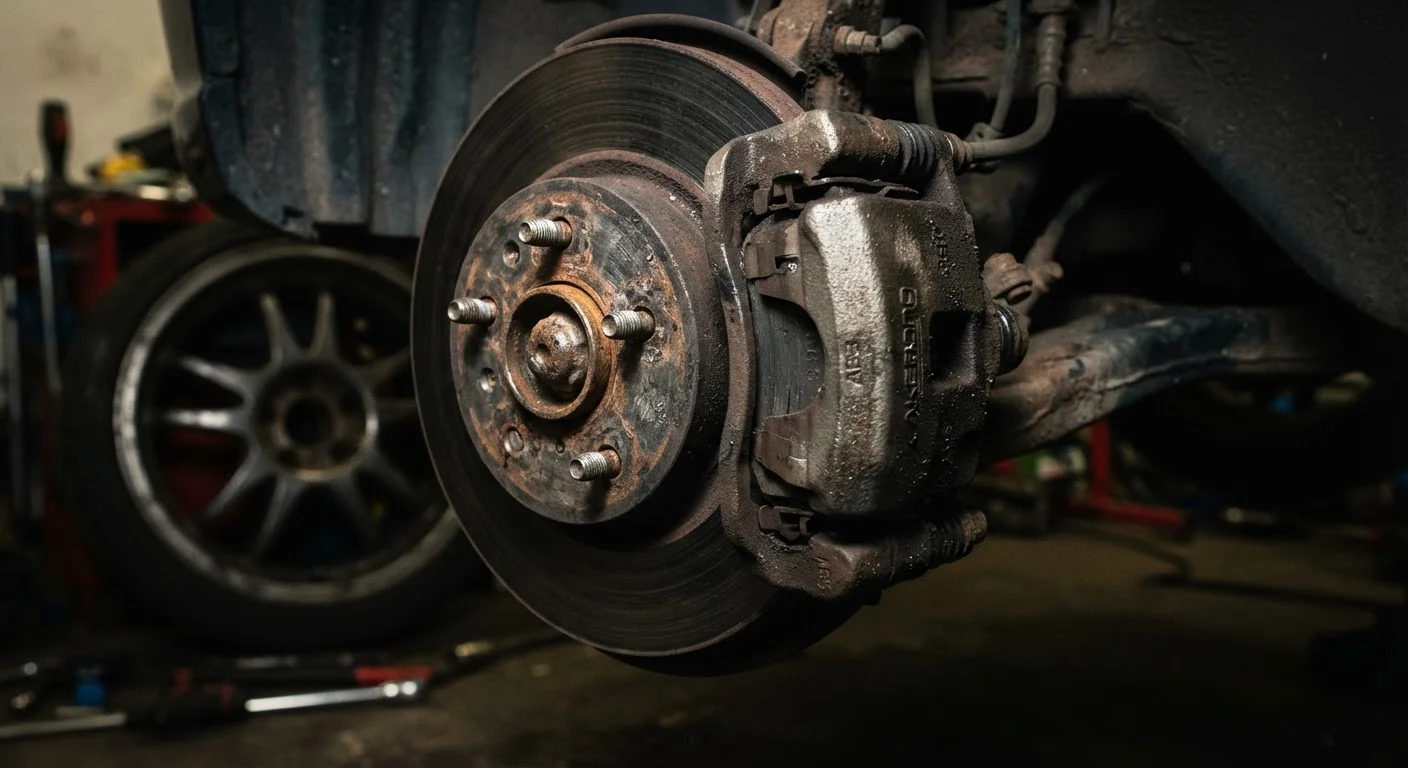
Not All Brake Noises Mean the Same Thing
Your brakes are one of the most safety-critical systems on your vehicle, and they're also remarkably good at communicating when something is wrong. The challenge is that not every squeak or groan signals a crisis - and not every quiet brake system is healthy. Knowing how to interpret what you hear (and feel) can save you from both unnecessary panic and from ignoring a real problem.
The four most common brake complaints drivers report are: squealing, grinding, clicking or clunking, and pedal pulsation. Each has a distinct set of probable causes and a corresponding level of urgency.
Brake Noise Varies by Vehicle and Pad Type
Semi-metallic brake pads - common on trucks and performance vehicles - tend to run noisier than ceramic pads under normal conditions. If you've recently had brake work done with different pad materials, some change in noise level is expected. Always ask your mechanic what pad type was installed so you know what baseline to expect.
Squealing: The Most Common - and Most Misread - Sound
A high-pitched squeal is the noise most drivers notice first. There are two very different reasons it happens, and confusing them can lead you astray.
Wear indicator contact. Most modern brake pads include a small metal tab called a wear indicator. When pad material wears down to a threshold - typically around 2-3 mm - this tab drags against the rotor and produces a distinctive squeal. Think of it as a built-in alarm. Persistent squealing on every stop is the clearest signal your pads are due for inspection.
Morning moisture. A thin film of surface rust forms on rotors overnight, especially in humid climates. This causes a brief, rough squeal on the first few stops of the day that disappears quickly. If the noise is gone within a mile of driving, this is almost certainly the cause and is not a concern.
See our overview of commonly skipped maintenance items - brake pad inspection is one that many drivers defer too long.
Grinding: Take This One Seriously
Grinding is not a sound to monitor and revisit. When you hear a low, harsh grinding noise during braking, the most likely explanation is that brake pad material is fully depleted and metal is now contacting metal - typically the steel backing plate of the pad scraping directly against the rotor.
Beyond the obvious safety risk of reduced braking performance, grinding causes rapid rotor damage. A rotor that could have been resurfaced for a modest cost may need full replacement after even a short period of metal-on-metal contact. The repair bill grows quickly.
A less common cause is debris - a small stone or road fragment lodged between the pad and rotor. This can cause intermittent grinding that clears on its own, but if the sound is consistent, assume the worst-case scenario until a mechanic confirms otherwise.
~25,000-70,000 mi
Typical brake pad service life range
Pad longevity varies widely with driving style, vehicle weight, and pad compound - making regular inspection more reliable than mileage alone.
2-3 mm
Pad thickness that triggers wear indicators
Most manufacturer-installed wear indicators are engineered to contact the rotor at this remaining pad thickness, producing the characteristic squeal.
~20%
Estimated increase in stopping distance with worn pads
Brake performance degrades progressively as pad material wears - significantly worn pads can noticeably extend stopping distance compared to new pads.
Pedal Pulsation and Vibration
If your brake pedal pulses, shudders, or the steering wheel vibrates when you apply the brakes, the most likely culprit is rotor runout - a condition where the rotor surface is no longer perfectly flat or has developed uneven thickness variation (often called DTV, or disc thickness variation).
Rotors can warp from repeated hard stops that generate excessive heat, from thermal shock (braking hard and then driving through a puddle), or simply from age and high mileage. A qualified mechanic can measure rotor thickness variation with a dial indicator and determine whether resurfacing is viable or replacement is warranted.
It's worth noting that some vehicles with ABS (anti-lock braking systems) produce a pulsing pedal during hard emergency stops - this is the system functioning correctly, not a defect. The difference is that ABS pulsation occurs only during panic stops, while rotor-related pulsation happens on normal, moderate braking.
Clicking, Clunking, and When to Involve a Mechanic
Clicking or clunking when you press or release the brake pedal is less common but worth investigating. Typical causes include loose anti-rattle clips (hardware designed to keep pads snug in their brackets), worn caliper slide pins that allow the caliper to shift slightly, or a brake pad that has started to move within its mounting bracket.
None of these typically represent immediate danger in the way grinding does, but they can worsen - a sticking caliper, for instance, can cause uneven pad wear, pulling during braking, or overheating.
If your dashboard brake warning light has illuminated alongside any of these noises, treat it as urgent. Our guide to dashboard warning lights explains what the brake light variants actually indicate and which demand immediate action.
For anything beyond topping off brake fluid, brake work generally falls into the category of tasks that carry real risk if done incorrectly. The DIY vs. mechanic guide walks through how to think about that boundary clearly.
This article is for informational purposes only. For any safety-critical brake concern, have your vehicle inspected by a qualified mechanic before continuing to drive.
Frequently Asked Questions
A brief squeal on the first stop of a cold, damp morning is generally harmless and fades quickly. If squealing is persistent throughout every stop, your brake pads likely need inspection soon. Continuing to drive on worn pads risks rotor damage and significantly longer stopping distances.
Grinding almost always means your brake pads are fully worn and metal is contacting metal - either the pad backing plate against the rotor or debris caught in the caliper. This is a safety issue that warrants prompt repair, not a wait-and-see situation.
Pedal pulsation is typically caused by rotor runout - slight warping or uneven thickness in the brake rotor. This can result from overheating, aggressive braking, or general wear over time. A mechanic can measure rotor thickness variation and resurface or replace as needed.
There is no universal mileage interval because pad life varies widely with driving style, vehicle weight, and pad material. Many mechanics recommend inspection every 12,000 miles or at each tire rotation. Most pads need replacement somewhere between 25,000 and 70,000 miles.
Yes. Freshly installed brake pads sometimes squeal during a break-in period as the pad surface beds into the rotor. This typically resolves within a few hundred miles of normal driving. If it persists, the shop should inspect the installation for glazing or improper hardware lubrication.
A clicking or clunking sound when you apply or release the brakes often points to loose anti-rattle clips, a worn caliper slide pin, or a brake pad that has shifted in its bracket. These are generally less urgent than grinding but still warrant a mechanic's inspection.
The content on this site is provided for informational purposes only and should not be considered a substitute for professional advice. While we strive to provide accurate and up-to-date information, we make no guarantees regarding its completeness or accuracy. Always consult a qualified professional for advice specific to your circumstances before making any decisions.