

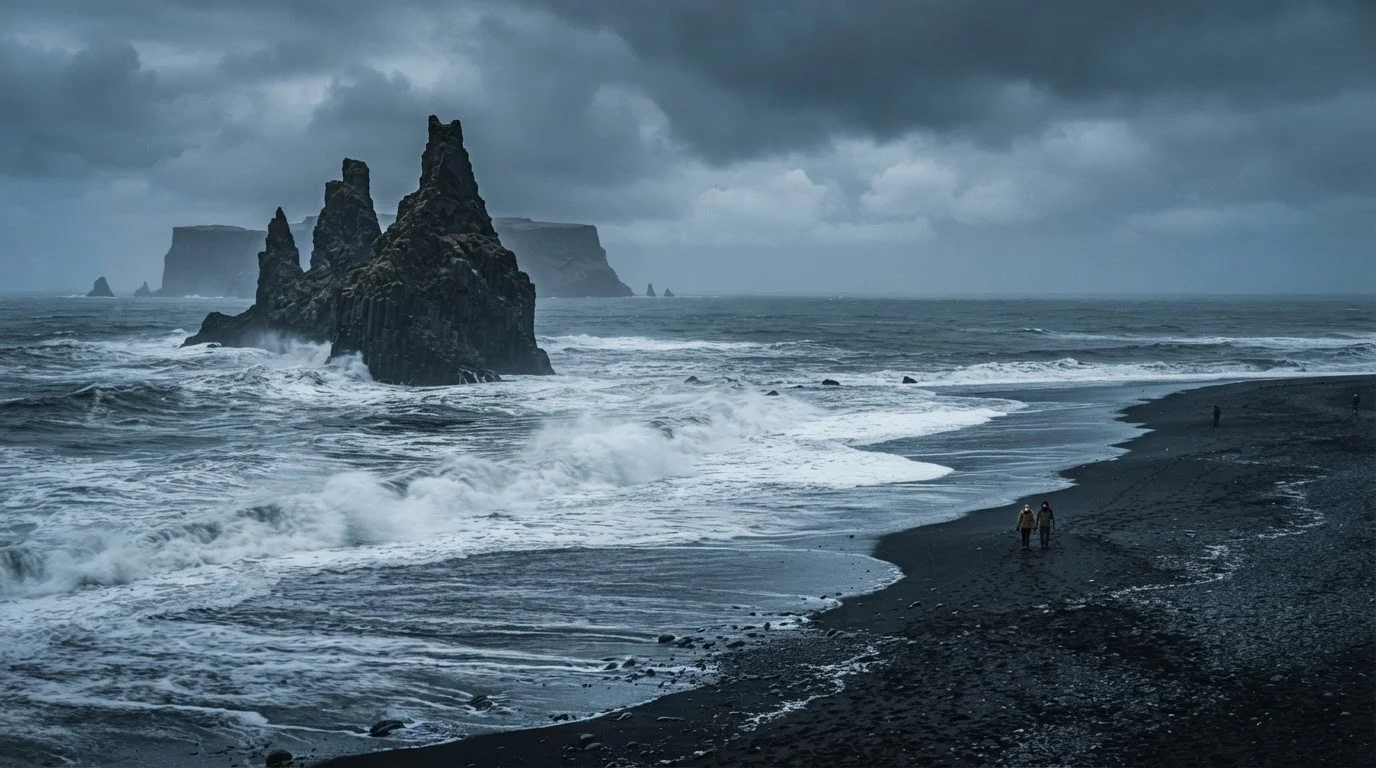
Why Iceland Trips So Often Start With Bad Assumptions
Iceland punches well above its weight in the traveler's imagination. Glaciers, geysers, volcanic landscapes, and the ethereal Northern Lights all feature prominently on travel wishlists - and social media has only amplified the mystique. But that same dreamlike imagery tends to breed some persistent myths that can seriously derail trip expectations.
Whether it's assuming you need winter to witness anything magical, or believing Iceland is simply too expensive to visit without a serious budget, many travelers arrive with a mental picture that doesn't match ground reality. Let's untangle the most common misconceptions - starting with the ones that affect planning the most.
For a broader look at how visiting hugely popular destinations involves real tradeoffs, see our piece on overtourism and the traveler's dilemma - Iceland features in that conversation more and more.
Myth
You have to visit Iceland in winter to see the Northern Lights - that's the whole point of going.
Fact
The Northern Lights are only visible in darkness, which Iceland lacks entirely in midsummer. But even in peak aurora season, clear skies are never guaranteed.
The aurora borealis requires two things: solar activity and a dark, clear sky. Iceland's winter (roughly September through March) provides the darkness - but the country's notoriously changeable subarctic weather means cloud cover is frequent. Many travelers spend an entire winter week without a single aurora sighting. Conversely, summer offers the midnight sun, which is its own remarkable phenomenon. Neither season is objectively superior - they offer entirely different versions of Iceland.
Myth
Iceland's weather in summer is mild and pleasant, almost like a European vacation.
Fact
Icelandic summer weather is unpredictable and can include rain, wind, and temperatures that feel more like early spring in the American Northeast.
Average summer temperatures in Reykjavík hover in the mid-50s°F (around 12-13°C), and wind and rain are common throughout the season. The phrase locals often use - "if you don't like the weather, wait five minutes" - is genuine advice, not a joke. Packing layers, waterproofs, and wind-resistant gear is essential regardless of the season you travel. Lightweight summer clothing appropriate for Mediterranean destinations will leave you uncomfortable and underprepared.
Myth
Iceland is so remote and rugged that it's difficult to get around without serious off-road experience.
Fact
The Ring Road (Route 1) that circles the entire island is paved and accessible with a standard rental car for most of the year.
The majority of Iceland's most-visited attractions - waterfalls, geysers, black sand beaches, and glacier viewpoints - are reachable via paved roads with a conventional vehicle. The exception is the interior Highlands, which require a four-wheel-drive vehicle and are typically only open in summer. F-roads (highland tracks) are legally restricted to 4WD and should not be attempted in standard cars. But the vast majority of popular itineraries don't require any off-road driving at all.
Myth
Iceland is prohibitively expensive - only travelers with large budgets can have a real experience there.
Fact
Iceland is genuinely expensive compared to many destinations, but costs vary significantly based on choices around accommodation, food, and timing.
Reykjavík restaurants and hotels are pricier than many European cities, and rental cars - especially during summer peak season - carry a real premium. However, self-catering with groceries from local supermarkets, staying in guesthouses outside the capital, and traveling shoulder season (May or September) can meaningfully reduce the overall cost. Iceland is not cheap, but it's also not inaccessible - it requires planning rather than a blank-check budget.
Myth
You need at least two weeks to see Iceland properly.
Fact
A focused week-long trip can cover a substantial portion of the most iconic landscapes, particularly along the South Coast and Golden Circle.
Seven to ten days is considered a practical window for a well-paced Iceland trip that includes Reykjavík, the Golden Circle, the South Coast, and potentially the Snæfellsnes Peninsula. Two weeks allows for a full Ring Road circuit or deeper exploration of the Westfjords - but it's not a prerequisite for a meaningful visit. The risk of a longer trip can actually be over-scheduling, which is a common mistake worth avoiding through smarter trip planning.
Planning Smarter: What the Myths Actually Cost You
Getting these misconceptions wrong doesn't just affect your experience in the moment - it shapes the decisions you make months before you land. Travelers who assume winter is the only worthy season may book a trip during a crowded holiday window, only to find the Northern Lights socked in by clouds for a week straight. Those who assume summer is "too busy" may skip a season with some of the most accessible road conditions and genuinely extraordinary 24-hour daylight.
~70%
Chance of cloud cover on any given winter night
Iceland's Met Office data consistently shows high cloud cover probability during winter months, making aurora viewing genuinely unpredictable even in peak season.
2M+
Annual tourist arrivals in Iceland
Iceland's tourism authority has tracked over two million annual visitors in recent years - remarkable for a country with a population of around 370,000.
55°F
Average Reykjavík summer high
According to Icelandic meteorological data, July - the warmest month - averages highs around 55°F (13°C), significantly cooler than most American travelers expect.
Iceland rewards travelers who do their homework rather than relying on secondhand impressions. If you're prone to overscheduling - a different but equally common travel pitfall - it's worth reading about why rushing through destinations leads to regret. Iceland in particular suffers when itineraries try to cram too much in.
And while cost planning is genuinely important here, be cautious about assuming cheaper automatically means smarter - our piece on myths about traveling cheap shows how budget assumptions often backfire. Iceland is one destination where spending a little more on accommodation location or guided tours frequently pays off in access and safety.
Travel conditions, entry requirements, and accessibility in Iceland can change. Always verify current road conditions, weather forecasts, and any applicable travel advisories through official Icelandic and U.S. government sources before your trip.
The content on this site is provided for informational purposes only and should not be considered a substitute for professional advice. While we strive to provide accurate and up-to-date information, we make no guarantees regarding its completeness or accuracy. Always consult a qualified professional for advice specific to your circumstances before making any decisions.