

Our Verdict
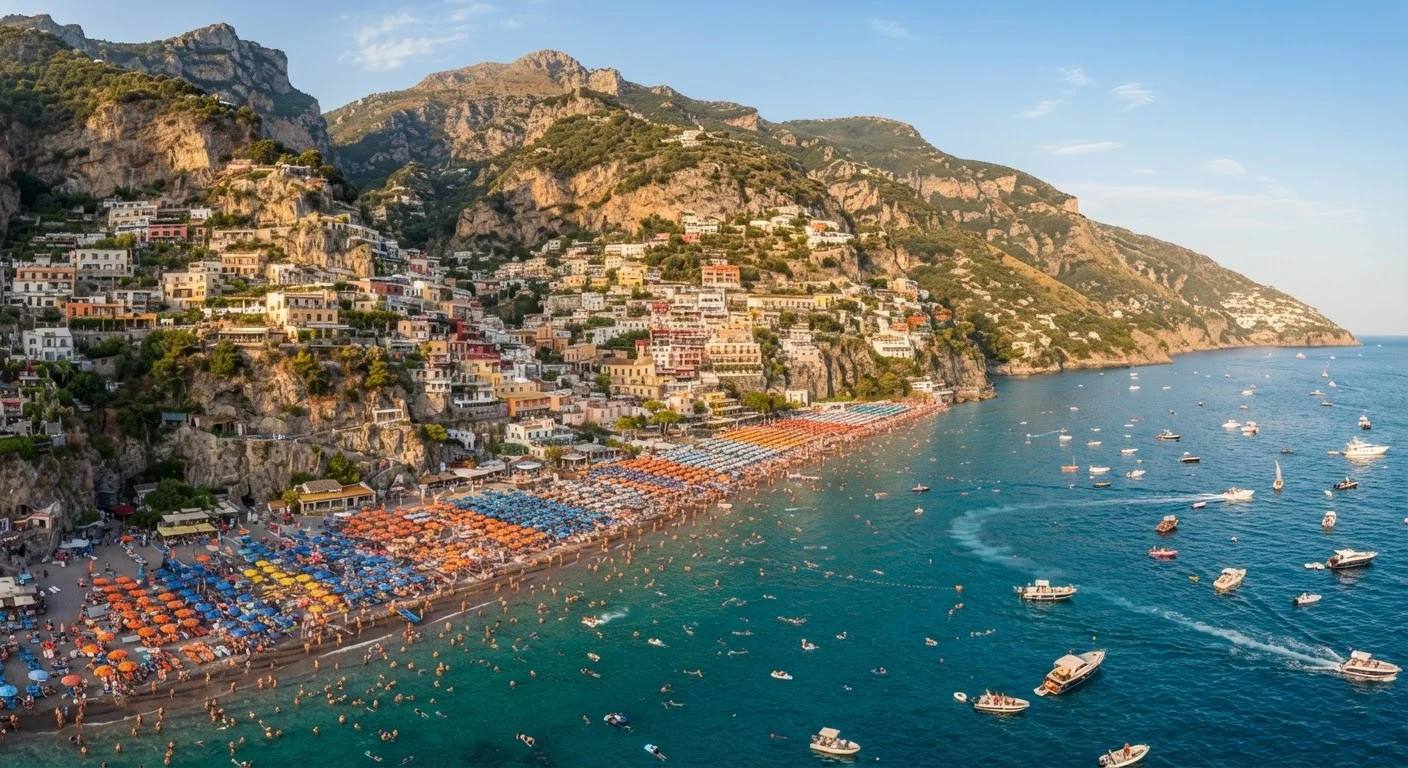
Visiting popular destinations is neither inherently good nor bad - it depends enormously on how, when, and why you go. Travelers who arrive informed, spend locally, and respect community boundaries contribute more than they take. Those who rush through iconic spots without engaging thoughtfully risk being part of a problem they never intended to create.
Best for curious, conscientious travelers who want to enjoy iconic destinations while making deliberate choices about timing, behavior, and where their money goes.
What Overtourism Actually Means
Overtourism describes a condition where visitor numbers exceed what a destination's infrastructure, environment, or community can sustainably absorb. It's not simply about crowds - it's about cumulative impact. Cities like Venice, Barcelona, and Dubrovnik, and natural sites like the Great Barrier Reef or parts of Yellowstone, have all grappled publicly with the consequences of becoming too popular for their own good.
The tricky part is that tourism is rarely all bad or all good. The same wave of visitors that strains a neighborhood's water supply also fills the restaurant around the corner and funds the restoration of a centuries-old church. Understanding this tension is where thoughtful travel begins.
For context on how Americans are rethinking their consumer habits more broadly, the Consumer Trends hub tracks related shifts in spending and behavior.
The Real Benefits of Visiting Popular Destinations
Tourism dollars do real work. Entry fees to national parks, UNESCO sites, and protected natural areas directly fund conservation and maintenance. In many developing economies, tourism represents a significant share of GDP and employment - particularly for women and young workers in hospitality and guiding sectors.
Tourism revenue directly funds conservation and preservation
Entry fees and tourism taxes at protected sites often go toward trail maintenance, habitat restoration, and staffing. Without visitor income, many conservation programs would lose a primary funding source.
Supports local livelihoods and small businesses
Travelers who eat at family-run restaurants, hire local guides, and shop at artisan markets contribute directly to household incomes. In many regions, tourism is one of the most accessible economic ladders available.
Creates incentives to preserve cultural heritage
When a destination draws visitors because of its history, architecture, or traditions, local and national governments have financial motivation to protect those assets. Tourism demand has helped fund the restoration of landmarks that might otherwise have deteriorated.
Promotes cross-cultural understanding
Direct exposure to different ways of life, food, language, and tradition builds empathy and global awareness in ways that reading or watching alone cannot replicate.
There's also cultural value in showing up. Destinations that feel economically supported by visitors are more likely to preserve local traditions, restore heritage buildings, and maintain public spaces. The challenge is ensuring that money reaches the right hands - local guides, family-owned guesthouses, and artisan markets rather than international hotel chains.
If you're planning ahead, researching your destination thoughtfully before you arrive can help you identify where your spending will do the most good.
The Costs That Don't Show Up in the Brochure
The downsides of mass tourism are well-documented, even if they're rarely front-of-mind when you're booking flights. Residential housing in popular cities gets converted to short-term rentals, pricing out locals. Fragile ecosystems - coral reefs, alpine meadows, ancient ruins - sustain physical damage from foot traffic and pollution. Service infrastructure buckles under seasonal surges that were never designed for it.
Ecosystem damage from foot traffic and pollution
Coral reefs, alpine trails, and ancient archaeological sites sustain measurable physical damage from high visitor volumes. Some sites have imposed strict caps or temporary closures specifically to allow recovery.
Housing costs rise, pushing out local residents
Short-term rental platforms have converted residential housing stock in popular neighborhoods, reducing supply and driving up rents. In cities like Barcelona and Lisbon, local advocacy groups have organized explicitly around this displacement pressure.
Infrastructure wasn't built for peak-season demand
Water systems, waste management, and transportation networks in smaller destinations are designed for resident populations, not seasonal surges of millions. Strain on these systems can degrade quality of life for locals year-round.
Tourist-facing economies crowd out authentic local culture
When souvenir shops and chain restaurants replace neighborhood businesses, the cultural character that originally drew visitors begins to disappear - a self-undermining cycle sometimes called the "tourist trap" effect.
The traveler's experience suffers too
Overcrowded viewpoints, long queues, and homogenized tourist infrastructure often deliver a diluted version of what a destination truly offers. Many travelers report that their most memorable experiences happened off the beaten path.
There's also a subtler cost: the experience itself. When a viewpoint is so packed that you spend your visit jostling for a photo angle, or a "hidden gem" neighborhood has been so thoroughly discovered that it feels like a theme park, something essential is lost. This is part of why slowing down in cities often yields more satisfying travel than chasing checklists.
Practical Ways to Travel More Responsibly
Avoiding popular destinations entirely isn't necessarily the answer - and it isn't realistic for most travelers. What matters is making more deliberate decisions about how you engage with them.
Check Entry and Visitor Rules Before You Go
Many high-traffic destinations have introduced reservation systems, timed entry slots, or visitor caps - including some U.S. national parks. Policies change frequently. Always verify current requirements through official park, government, or destination authority websites before finalizing your plans. Rules that applied last season may not apply now.
Timing matters enormously. Shoulder season travel - spring and fall for many Northern Hemisphere destinations - reduces pressure on infrastructure, often lowers costs, and can yield a genuinely better experience. The full picture on off-peak travel includes honest trade-offs worth reviewing before you decide.
Dispersal helps. If you're visiting a region famous for one iconic site, consider spending extra days in nearby towns that rarely make the highlight reel. America's national park system is a useful model here - parks beyond Yellowstone and the Grand Canyon often offer comparable landscapes with a fraction of the visitor pressure.
Slow down and stay longer. Multi-night stays in one place reduce transit emissions, build deeper connections, and shift your spending toward locally embedded businesses. If your itinerary feels overpacked, it probably is - here's a practical guide to building in breathing room.
1.4B
International tourist arrivals globally before COVID-19
The United Nations World Tourism Organization recorded approximately 1.4 billion international tourist arrivals in 2018, a figure that illustrated the sheer scale of global tourism pressure on popular destinations.
10%
Share of global GDP attributable to tourism
Before the pandemic, the World Travel and Tourism Council estimated tourism's total contribution - including indirect effects - at roughly 10% of global GDP, underscoring the economic stakes of the industry.
~80%
Of tourists concentrated at just a few destinations
Research has consistently shown that the vast majority of international tourists cluster at a small fraction of the world's destinations, leaving most places undervisited while a handful bear disproportionate pressure.
The content on this site is provided for informational purposes only and should not be considered a substitute for professional advice. While we strive to provide accurate and up-to-date information, we make no guarantees regarding its completeness or accuracy. Always consult a qualified professional for advice specific to your circumstances before making any decisions.