

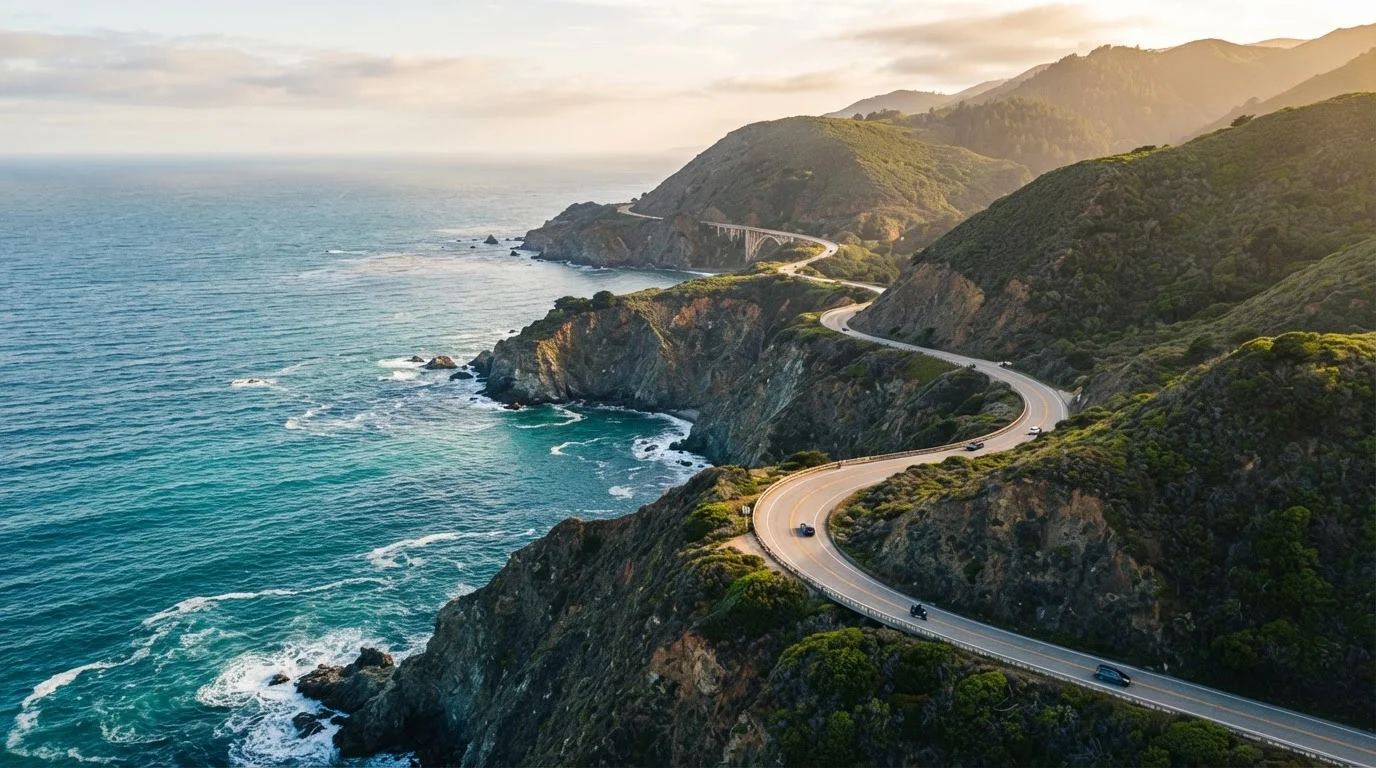
What You're Actually Getting Into
The Pacific Coast Highway - formally U.S. Route 1 in California - runs roughly 650 miles from Leggett in Mendocino County down to Dana Point near Los Angeles. Most travelers drive a condensed version, anchoring between San Francisco and Los Angeles, which covers about 450 miles of the most dramatic coastal scenery. That sounds manageable until you factor in two-lane roads through Big Sur, mandatory photo stops at every turnout, and the sheer number of interesting towns begging for at least a lunch break.
The honest truth: a weekend trip does this route a disservice. Seven days is a workable minimum. Ten days lets you breathe. Before you lock in your dates, it's worth reading the complete travel planning guide to set a solid foundation for any major trip like this.
Also worth noting: this is a real driving commitment. If you're weighing whether a road trip makes sense versus flying and renting a car at your destination, the road trip vs. flying trade-offs breakdown offers a clear-headed look at both options.
Before You Leave Home
A scenic drive on winding cliff roads is not the moment to discover a tire is underinflated or your brakes are soft. Give your vehicle a thorough inspection before departure - the pre-road trip vehicle checklist walks through every system worth reviewing before a long drive.
Beyond the car itself:
- Book lodging early. Big Sur has very limited accommodation options, and they sell out months in advance during summer. The same is true for Carmel-by-the-Sea and Santa Barbara.
- Check road conditions. Highway 1 closes periodically due to mudslides, rockfalls, and fire damage. The California Department of Transportation (Caltrans) maintains real-time closure information online - check it close to your departure date.
- Download offline maps. Cell service drops out through stretches of Big Sur. Don't rely solely on live navigation.
What you will need
Structuring Your Itinerary
The most common and practical approach is a point-to-point drive from San Francisco to Los Angeles, or the reverse. Here's how to think about the major segments:
San Francisco to Santa Cruz (approx. 75 miles): This stretch eases you in. Half Moon Bay, Pescadero, and the Año Nuevo State Park elephant seal viewing area are worth early stops. Budget a half-day minimum.
Santa Cruz to Monterey (approx. 40 miles): Shorter, but Monterey and the surrounding Carmel area deserve a full day - or two. The 17-Mile Drive through Pebble Beach is a fee-based scenic loop worth taking if time allows.
Monterey to San Simeon via Big Sur (approx. 115 miles): This is the showpiece segment, and it takes longer than the mileage suggests. Plan for 4 to 6 hours of driving alone, plus stops at Bixby Creek Bridge, McWay Falls in Julia Pfeiffer Burns State Park, and Pfeiffer Beach (if the tide and sand color cooperate). Give this segment at least two days.
San Simeon to Santa Barbara (approx. 150 miles): Hearst Castle merits a morning, and Morro Bay offers a relaxed overnight. San Luis Obispo sits inland but is worth a short detour for its mission and farmers market scene.
Santa Barbara to Los Angeles (approx. 100 miles): Santa Barbara deserves at least a full day. The final coastal push through Malibu lands you in Los Angeles - a fitting end to a trip built around the edge of the continent.
Resist the urge to over-schedule - this is a road where unplanned stops at a random viewpoint often become the moments you remember most.
Drive North-to-South for Better Views
When driving the PCH southbound (San Francisco to Los Angeles), you stay in the lane closest to the ocean on most cliff-side segments - which means better sightlines and more natural pullout opportunities. Northbound drivers often face the mountain wall side of the road through Big Sur. If your schedule allows a choice of direction, southbound in summer is generally the easier and more scenic experience.
Seasonal Considerations and Common Pitfalls
Summer is the most popular window, but it comes with trade-offs. A marine layer (coastal fog) frequently shrouds Northern California through June and into July - locally called "June Gloom." The fog often burns off by midday, but if you're hoping for postcard-perfect morning light over the cliffs, it may not cooperate. September and October tend to offer cleaner skies and thinner crowds, making fall a strong alternative season.
Winter brings rain and the highest landslide risk, but also the off-season charm of near-empty roads and better lodging availability. Just verify conditions before committing - a Highway 1 closure can force a lengthy inland detour.
If you're traveling in a group and coordinating schedules around this trip, the group trip planning guide has practical frameworks for keeping everyone aligned without the headaches. And for the full picture on planning any trip well, the Trip Planning hub is a useful ongoing resource.
Road conditions, park hours, fees, and lodging availability can change. Always verify current information through official sources - including Caltrans for highway status and individual state park websites for access and reservation requirements - before you travel.
The content on this site is provided for informational purposes only and should not be considered a substitute for professional advice. While we strive to provide accurate and up-to-date information, we make no guarantees regarding its completeness or accuracy. Always consult a qualified professional for advice specific to your circumstances before making any decisions.