

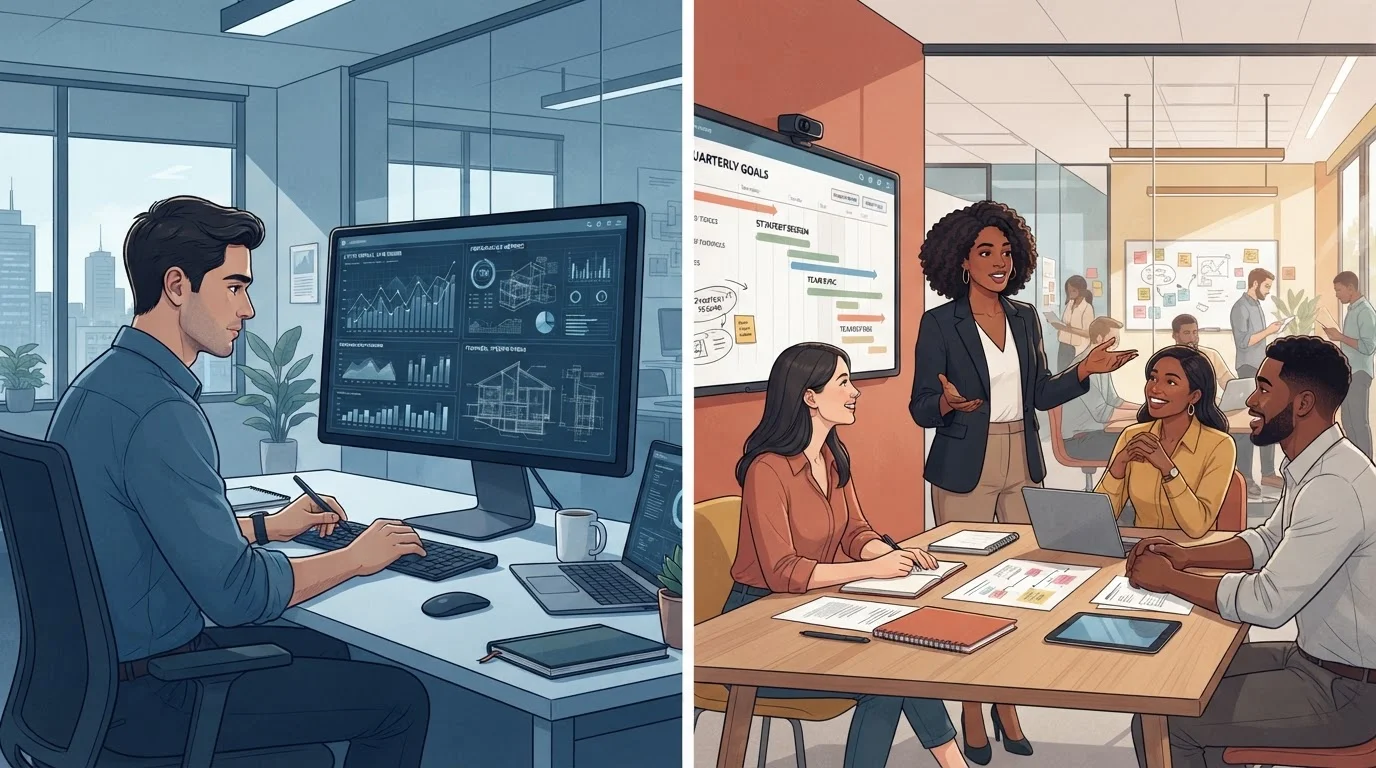
Option A
Hard Skills
The measurable, teachable technical competencies.
Best for: Roles requiring specific technical expertise, certifications, or tool proficiency-such as data analysis, coding, or accounting.
Option B
Soft Skills
The interpersonal and behavioral qualities that shape how you work.
Best for: Virtually every role and industry, particularly those involving teamwork, client interaction, leadership, or rapidly changing environments.
Defining the Two Skill Categories
Hard skills are specific, measurable abilities acquired through education, training, or practice. Examples include proficiency in Python, fluency in a second language, operating medical imaging equipment, or reading financial statements. They are typically verifiable-through a test, certification, or demonstrated work sample.
Soft skills, by contrast, describe how a person thinks, communicates, and interacts. They include traits such as active listening, adaptability, critical thinking, empathy, and conflict resolution. They're harder to quantify but deeply observable in how someone performs day-to-day.
It's worth noting that the line between the two isn't always clean. Public speaking, for instance, has both a learnable technique (hard skill) and a behavioral dimension (soft skill). As you build your professional profile, think of these categories as organizing frameworks rather than rigid boxes. For a deeper look at competencies that cross both categories, see what transferable skills are and why recruiters care about them.
What Hiring Data Actually Shows
Surveys of hiring managers repeatedly find that soft skills top priority lists-but the full picture is more nuanced. Employers don't rank soft skills above hard skills in a vacuum; they expect candidates to clear a technical threshold first, then differentiate themselves through interpersonal and behavioral qualities.
A LinkedIn Workforce Report found that nearly 60% of hiring managers said soft skills were difficult to find and that a deficit in them was a leading reason qualified candidates were passed over. Meanwhile, the World Economic Forum's Future of Jobs reports consistently place critical thinking, creativity, and emotional intelligence among the most valued competencies heading into the next decade.
| Criterion | Hard Skills | Soft Skills |
|---|---|---|
| Definition | Specific, teachable technical abilities | Interpersonal and behavioral traits |
| Measurability | Highly measurable via tests or demos | Observable but harder to quantify |
| How acquired | Formal training, coursework, practice | Experience, feedback, reflection |
| Shelf life | Can become outdated as tools evolve | Generally durable across career spans |
| Role in hiring | Clears baseline eligibility threshold | Often differentiates finalists |
| Automation risk | Moderate to high for routine tasks | Low - judgment and empathy resist automation |
| Examples | Python, CPR certification, bookkeeping | Active listening, adaptability, collaboration |
That said, hard skills remain the price of entry in specialized fields. A hospital won't interview a candidate for a surgical technician role who lacks clinical certifications, regardless of their interpersonal strengths. Context is everything. If you're curious how this plays out in a shifting hiring landscape, navigating skills-based hiring explains what employers are actually screening for today.
Which Skills Hold Up Over Time
One useful frame for learning investment decisions: durability. Some hard skills have a shelf life. The programming language that's dominant today may be less central in a decade. The accounting software your employer uses will be updated or replaced. Soft skills, by comparison, have shown remarkable staying power across labor market shifts-communication and problem-solving were essential in 1985 and remain essential now.
This doesn't mean you should neglect hard skill development. It means pairing technical learning with deliberate soft skill cultivation is the smarter long-term play. Skills that have proven durable across decades of labor market shifts offers a useful evidence-based look at which competencies have genuinely stood the test of time.
For workers evaluating whether to upskill within their current field or retrain entirely, the soft-vs-hard distinction matters in that decision too. Understanding the difference between upskilling and reskilling can help clarify which path fits your situation.
How to Develop and Demonstrate Both
Hard skills are typically built through structured learning: coursework, bootcamps, on-the-job training, or certification programs. What employers actually think of online certificates provides a grounded perspective on when formal credentials add value and when they don't.
Soft skills are developed more iteratively-through deliberate practice, feedback, and reflection. Volunteering to lead a project, actively soliciting peer feedback, or taking on cross-functional assignments all build demonstrable soft skill experience. The key word is demonstrable: simply claiming you're a strong communicator carries little weight. Employers want evidence-specific examples from your work history that show these qualities in action.
When assembling your application materials, both skill types should be visible and concrete. Hard skills belong in a skills section and throughout your experience descriptions. Soft skills should be woven into accomplishment statements that show, not just tell. If you're thinking about how to present that full picture, what a portfolio actually needs to impress a hiring manager walks through exactly how to structure your professional evidence effectively.
The content on this site is provided for informational purposes only and should not be considered a substitute for professional advice. While we strive to provide accurate and up-to-date information, we make no guarantees regarding its completeness or accuracy. Always consult a qualified professional for advice specific to your circumstances before making any decisions.