

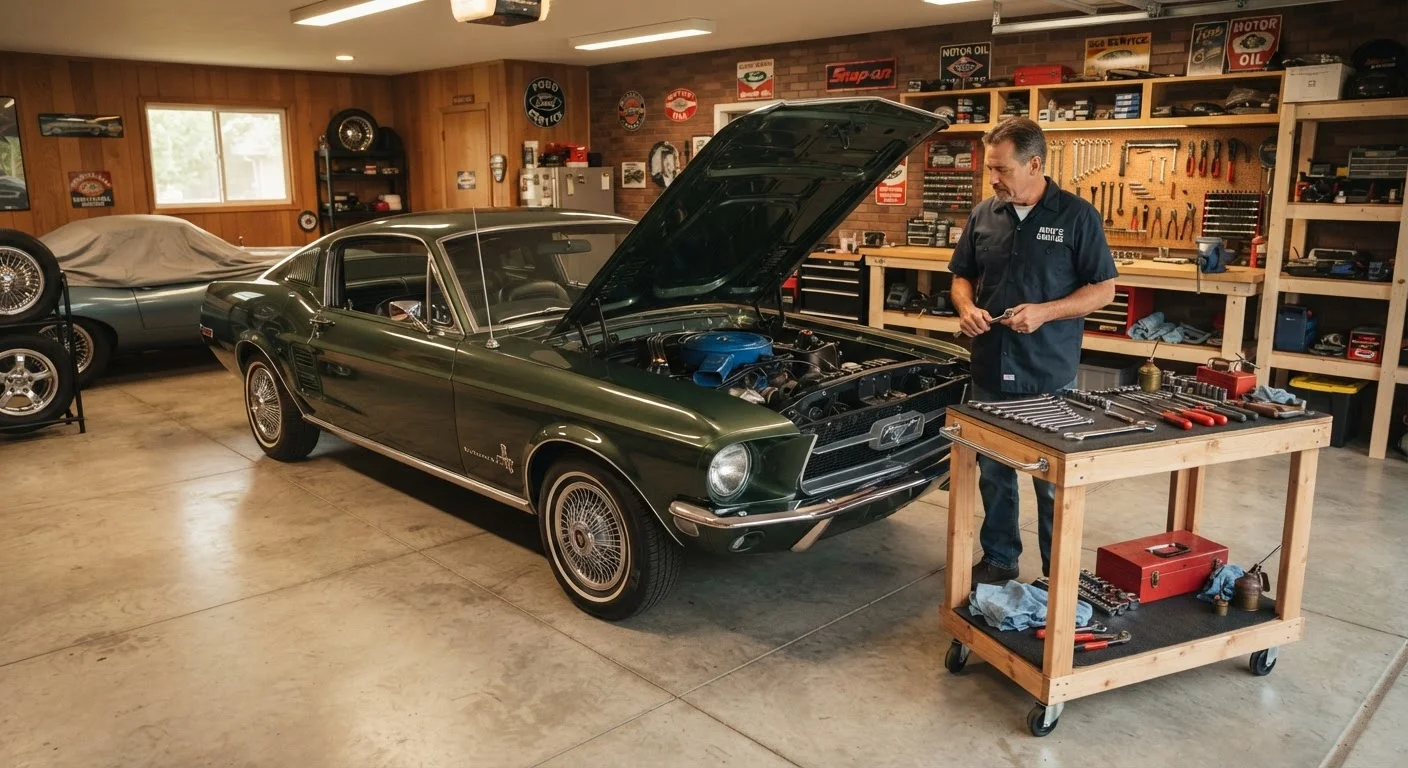
Why Long-Term Ownership Requires a Different Mindset
Buying a car is a financial decision. Keeping it running well past 100,000 miles is a discipline. Drivers who successfully get 15 or 20 years out of a vehicle don't usually attribute it to luck - they point to habits they built early and maintained consistently.
The vehicles most likely to fail prematurely aren't necessarily low-quality; they're often vehicles whose owners responded to problems reactively rather than proactively. Modern cars are engineered to last, but they depend on owners who follow through. Understanding that maintenance is ongoing ownership infrastructure - not optional upkeep - changes how most drivers approach the task.
For a broader framework on what your car genuinely needs throughout its life, the Car Maintenance hub covers essential upkeep across a vehicle's full lifespan.
Practices That Consistently Make a Difference
The following habits show up repeatedly among drivers with high-mileage vehicles in good working condition. None of them are exotic - but combined, they compound into a meaningful difference over time.
Follow the manufacturer's maintenance schedule, not just the oil change interval.
Automakers specify service intervals for every fluid, filter, and wear component based on engineering data. Treating oil changes as the only scheduled event leaves transmission fluid, coolant, brake fluid, and cabin filters chronically neglected - each of which affects a different system's longevity.
Address warning lights and unusual symptoms within a week, not when convenient.
Modern vehicles use sensors to flag problems early, often before any mechanical damage has occurred. Ignoring a warning light for weeks converts a sensor replacement or minor fix into a more serious repair. Pattern recognition matters too - new sounds, vibrations, or handling changes are the car communicating something has changed.
Warm up the engine gently during cold starts rather than revving immediately.
Oil pressure needs a few seconds to fully circulate after a cold start, particularly in lower temperatures. Hard acceleration before the engine reaches operating temperature puts stress on components that aren't yet fully lubricated, contributing to long-term wear.
Protect the vehicle from environmental exposure where practical.
Sun, rain, road salt, and bird droppings all degrade paint, rubber seals, and undercarriage components over time. Environmental damage often goes unnoticed until rust or seal failures become expensive problems. Storage choices affect more than appearance.
Use the correct fluids and parts specifications for your vehicle.
Not all motor oils, coolants, or brake fluids are interchangeable. Using the wrong viscosity oil or a mismatched coolant formulation can cause seal degradation, poor lubrication, or corrosion in systems engineered for specific chemistry. This is a common and avoidable mistake.
Quick Actions You Can Take Right Now
You don't need to overhaul your entire maintenance routine overnight. Starting with a few concrete actions today puts you on the right track immediately.
For a full breakdown of what tends to slip through the cracks - beyond oil changes and tire rotations - see the 15 most overlooked maintenance items that quietly shorten vehicle lifespan.
The Hidden Costs of Skipping Small Services
Deferred maintenance has a compounding effect that isn't always obvious until a repair bill arrives. A coolant flush that costs around $100-$150 skipped once might mean nothing. Skipped repeatedly, it contributes to corrosion inside the cooling system that can damage a water pump or radiator - repairs that often run $400-$900 or more depending on the vehicle.
Brake fluid, transmission fluid, and differential oil are other common skip targets. These fluids degrade over time and absorb moisture, which accelerates internal wear in components that are expensive to replace. The maintenance items most drivers quietly skip covers exactly these gaps in detail.
Keeping a written record of every service - dates, mileage, what was done - gives you a clear picture of what's overdue and helps a mechanic diagnose problems faster. See how to keep a vehicle maintenance log for a straightforward approach to tracking your car's history.
This article is for general informational purposes. For safety-critical repairs or if you're unsure about any maintenance task, consult a qualified mechanic.
The content on this site is provided for informational purposes only and should not be considered a substitute for professional advice. While we strive to provide accurate and up-to-date information, we make no guarantees regarding its completeness or accuracy. Always consult a qualified professional for advice specific to your circumstances before making any decisions.