

Summary
18 items · 20-40 minutes
Why Preparation Matters Before Any Shop Visit
Walking into a repair shop unprepared is one of the most common ways everyday drivers end up overpaying or authorizing unnecessary work. Mechanics are professionals, but they can only diagnose what they observe - and a well-prepared customer makes that process faster, more accurate, and less expensive for everyone involved.
Whether this is a routine oil change or a mysterious grinding noise that appeared last Tuesday, the steps you take before you hand over your keys make a real difference. This checklist covers everything from gathering documents to knowing which questions to ask. For a broader look at what you can reasonably handle yourself versus when a professional is the right call, see our guide to DIY vs. professional car maintenance.
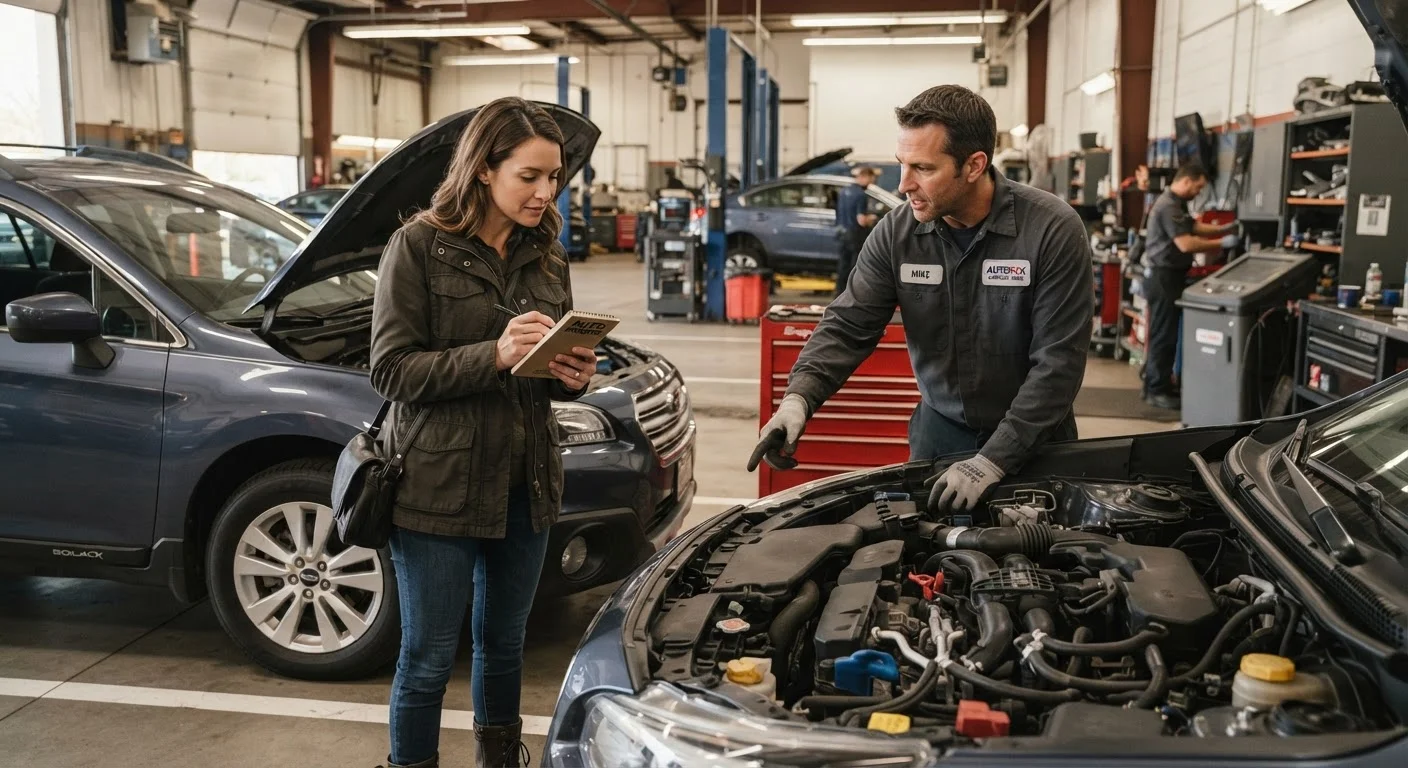
Part of responsible vehicle ownership is showing up as an informed customer - not just a set of keys on a hook.
Gather Your Documents
Document Your Symptoms
Prepare Financially
Questions to Ask Before Work Begins
Tools and Records You'll Want on Hand
Having the right documents and information within reach before your appointment is just as important as the physical preparation. Use the list below as a starting point.
Vehicle Service Records
Provides the mechanic with a history of past repairs and maintenance, helping avoid duplicate work and identify recurring issues.
Owner's Manual
Contains manufacturer-recommended service intervals and fluid specifications specific to your vehicle.
Pen and Notepad (or Notes App)
Used to document symptoms, jot down estimates, and record what the mechanic explains during the visit.
Smartphone Camera
Useful for photographing dashboard warning lights, fluid leaks, or visible damage before and after service.
NHTSA VIN Lookup (nhtsa.gov)
Free government tool to check whether your vehicle has any open safety recalls that may be relevant to your repair.
Never Authorize Verbal-Only Estimates
Always insist on a written estimate before the shop begins any work. Verbal agreements are difficult to dispute if costs escalate unexpectedly. In many states, repair shops are legally required to provide written estimates above a certain dollar threshold - but requesting one in writing for any amount is a sound practice regardless of local law.
If your vehicle is newer and you're considering a major repair, it's also worth checking whether a manufacturer defect or recall is at play. The National Highway Traffic Safety Administration (NHTSA) maintains a free online database where you can search your vehicle's VIN for open recalls - a step that costs nothing and could save you a significant repair bill.
Getting the Most Out of Your Conversation With the Mechanic
Arriving prepared is only half the equation. How you communicate once you're at the shop shapes the quality of service you receive. Be specific about when symptoms occur - is the noise only present when braking at highway speeds, or does it happen at low speeds in reverse too? Context like temperature, load, or driving conditions is genuinely useful diagnostic information.
Ask for a written estimate before any work begins, and confirm whether the shop will contact you if they discover additional issues mid-repair. Reputable shops will not proceed beyond the authorized scope without your explicit approval. If you are comparing estimates across shops, make sure each one is quoting the same scope of work - labor rates, parts grades (OEM vs. aftermarket), and warranty terms on repairs all affect the final figure.
This article is intended for informational purposes only. Always consult a qualified mechanic for diagnosis and repair decisions specific to your vehicle.
The content on this site is provided for informational purposes only and should not be considered a substitute for professional advice. While we strive to provide accurate and up-to-date information, we make no guarantees regarding its completeness or accuracy. Always consult a qualified professional for advice specific to your circumstances before making any decisions.