

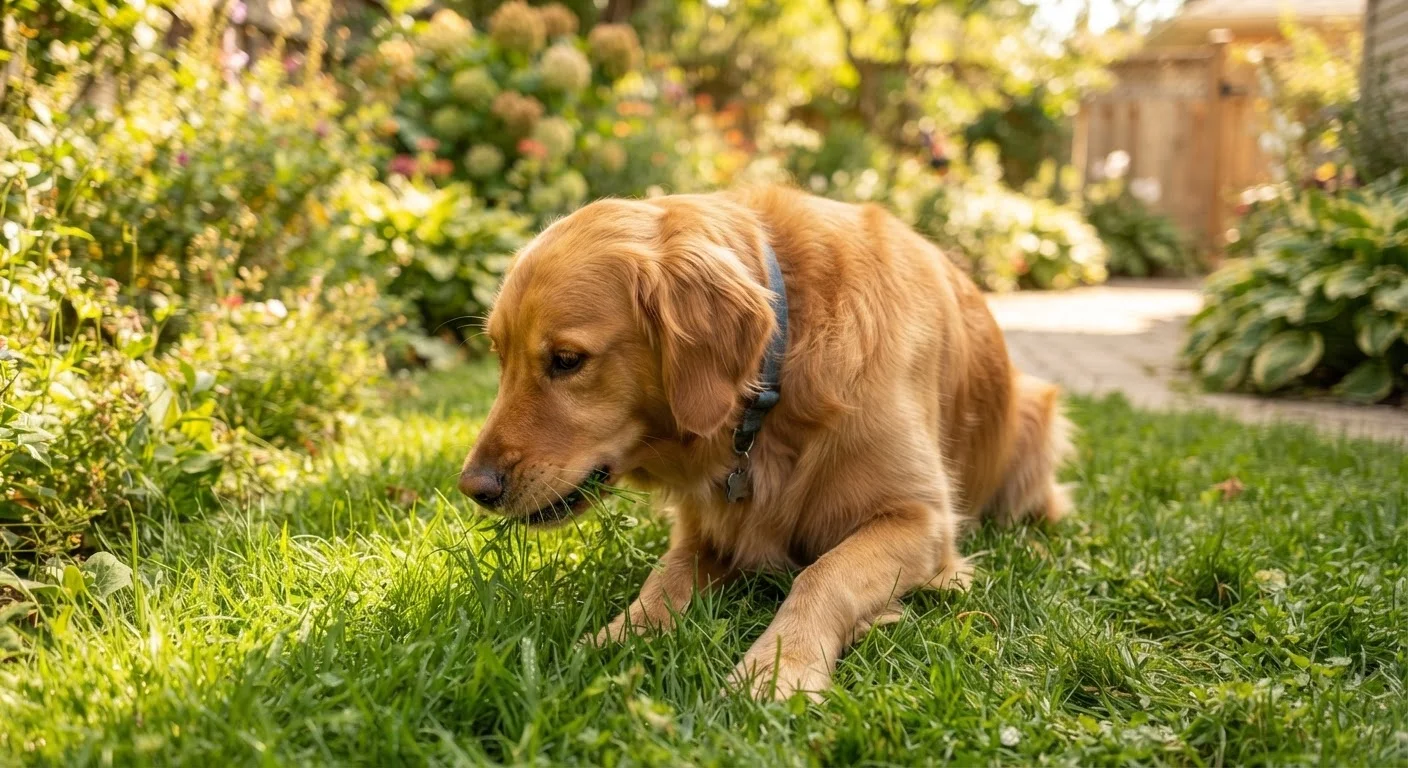
What the Research Actually Shows
One of the most persistent myths in dog ownership is that dogs eat grass specifically to make themselves vomit. A study published in the journal Applied Animal Behaviour Science examined grass-eating in over 1,500 dogs and found that only about 22% of grass-eaters vomited afterward - and fewer than 10% showed signs of illness before eating it. In other words, the vomit-as-goal explanation doesn't hold up for the majority of dogs.
What researchers have found instead is that grass-eating is extremely common - seen in dogs fed all types of diets, at all life stages, and across breeds. Wild canid relatives such as wolves and coyotes are also known to consume plant material, suggesting the behaviour may have deep evolutionary roots rather than being a domestic dog quirk.
A Note on Study Limitations
Most research on grass-eating relies on owner-reported surveys, which means the data reflects what owners observe and remember rather than controlled clinical conditions. This makes it difficult to draw hard conclusions about cause and effect. Veterinary consensus treats grass-eating as generally benign, but acknowledges the full picture isn't yet clear.
Why Dogs Likely Do It
Several explanations are considered plausible by veterinary behaviourists, and more than one may apply to any individual dog:
- Fibre instinct: Dogs are omnivores, and grass provides roughage that may help regulate digestion. Some dogs may instinctively seek it when their diet is low in fibre.
- Boredom or habit: Dogs left outdoors without stimulation often sniff, paw, and graze simply to occupy themselves. If grass is available and the behaviour gets no correction, it becomes routine.
- Taste and texture: Some dogs appear to genuinely enjoy the taste of fresh grass, especially in spring when new growth is tender. This is purely sensory - no underlying problem required.
- Mild stomach discomfort: While it isn't the primary driver for most dogs, some do appear to seek out grass when experiencing nausea or gas. The grass may help move things along or trigger vomiting when the dog's gut needs it.
If you've noticed your dog showing subtle signs of discomfort alongside grass-eating, that's worth paying closer attention to.
When Grass-Eating Deserves a Closer Look
Most casual grass nibbling doesn't need a vet call. But certain patterns are worth flagging:
- Frantic or urgent eating: A dog that suddenly rushes to eat large amounts of grass - especially gulping it down - may be responding to significant stomach upset rather than idle habit.
- Repeated vomiting: If vomiting happens consistently after grass-eating, or if your dog seems unable to keep food down more broadly, a gastrointestinal problem may be the root cause.
- Combined symptoms: Diarrhoea, bloating, significant lethargy, or loss of appetite alongside grass-eating can indicate conditions ranging from parasites to inflammatory bowel disease.
- Sudden change in behaviour: A dog that has never shown interest in grass and abruptly starts eating it obsessively is behaving differently from a habitual grass-grazer - the change itself is the signal.
Your vet can help determine whether a dietary adjustment, parasite screening, or gastrointestinal evaluation makes sense.
The Real Risk: What's on the Grass
The grass itself is generally low risk in small amounts. The far more serious concern is chemical contamination. Herbicides, pesticides, and synthetic fertilisers used on residential lawns and parks can cause genuine toxicity in dogs - even through incidental ingestion during a walk.
If your dog has access to a yard, know what products (if any) have been applied and observe the re-entry intervals listed on product labels. In public spaces, there's no easy way to verify treatment history, so redirecting grass-eating on heavily maintained lawns is a sensible precaution.
Certain plants that grow alongside grass - such as sago palm shoots or black nightshade - can also pose serious risks. If your dog is a committed grazer, familiarising yourself with toxic plants common to your region is worthwhile.
Practical Steps for Grass-Obsessed Dogs
If your dog's grass-eating feels excessive rather than incidental, a few practical adjustments may help:
- Review the diet: Talk to your vet about whether your dog's current food provides adequate fibre. Some dogs benefit from a diet adjustment or the addition of a small amount of cooked vegetables.
- Increase activity and enrichment: Boredom-driven grazing often decreases when dogs get more exercise, training, and mental stimulation. Puzzle feeders and structured outdoor time can reduce idle grass-seeking behaviour.
- Use redirection: Teaching a reliable "leave it" cue gives you a practical in-the-moment tool on walks.
- Monitor for patterns: Keep an informal note of when grass-eating spikes - time of day, before or after meals, seasonal changes. Patterns can help your vet identify a cause faster.
This article is for informational purposes only and is not a substitute for professional veterinary advice. Always consult a licensed veterinarian about your dog's specific health needs.
Frequently Asked Questions
Occasional daily grass-eating is considered normal by most vets and is not inherently dangerous. However, if the behaviour becomes frantic or obsessive, or is paired with vomiting, diarrhoea, or lethargy, it's worth discussing with your veterinarian to rule out an underlying issue.
Not necessarily. Research suggests fewer than 25% of dogs vomit after eating grass, and most show no signs of prior illness. In many cases it's simply instinctive or behavioural, not a sign of disease.
The grass itself is unlikely to cause harm in small amounts. The real concern is chemical exposure - lawns treated with pesticides, herbicides, or fertilisers can be toxic to dogs. Always ensure the grass your dog accesses hasn't been recently treated.
Start by ruling out dietary deficiencies with your vet. Increasing fibre in the diet, providing more physical exercise, and adding environmental enrichment can all reduce the urge. Redirecting with a toy or command during walks is also a practical short-term strategy.
If the grass is untreated and the behaviour is calm and occasional, most vets advise against stressing over it. It becomes worth addressing when the dog is eating large quantities, vomiting repeatedly, or showing other symptoms of illness.
The content on this site is provided for informational purposes only and should not be considered a substitute for professional advice. While we strive to provide accurate and up-to-date information, we make no guarantees regarding its completeness or accuracy. Always consult a qualified professional for advice specific to your circumstances before making any decisions.