

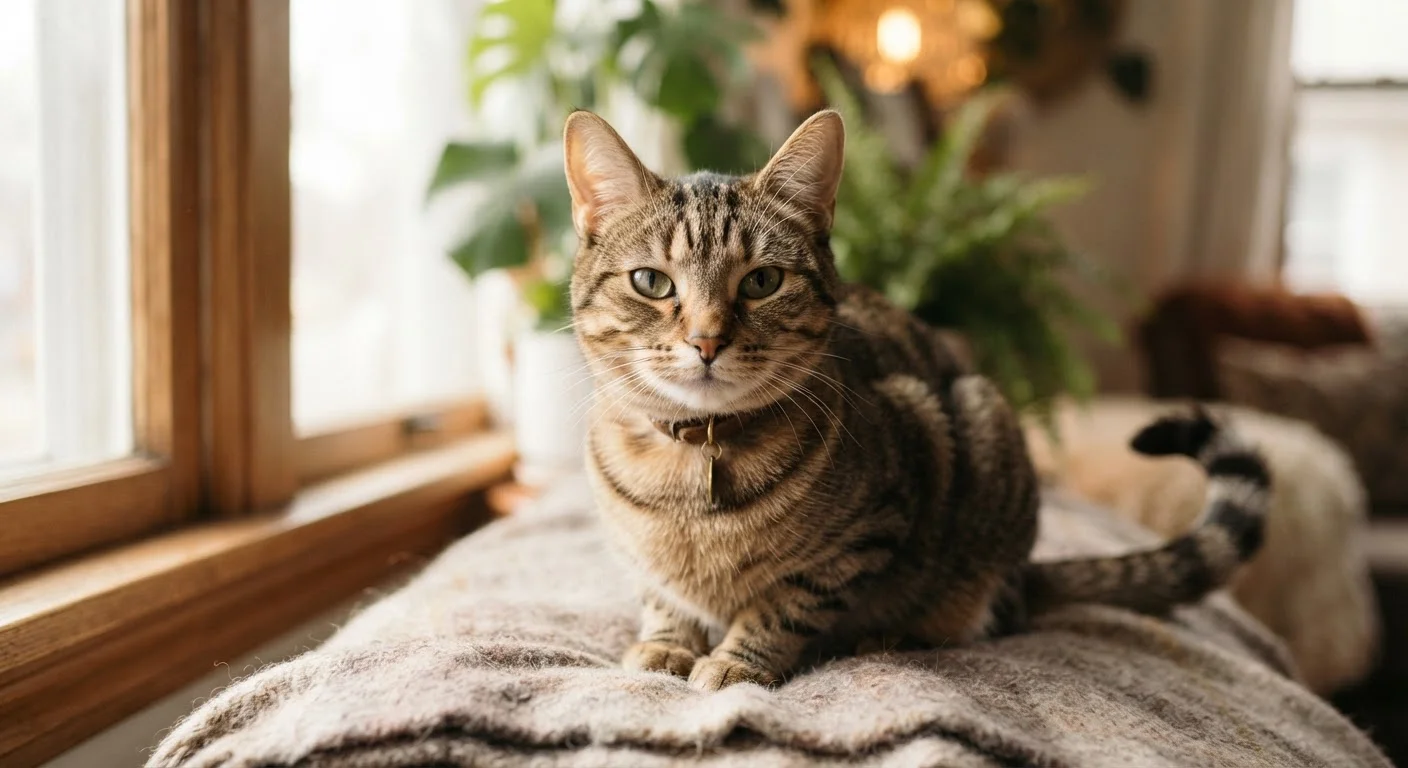
Why Cats Communicate the Way They Do
Cats are often labeled as mysterious or aloof, but that reputation says more about our ability to read them than about their actual expressiveness. Felines evolved as solitary hunters - they didn't develop the broad, exaggerated social signals that pack animals like dogs rely on. Instead, cat communication is layered and context-sensitive, built for an animal that needed to be subtle.
Understanding feline signals matters practically. Misreading a cat's body language is the leading reason casual interactions end in scratches or bites. It also helps owners distinguish normal behavior from signs of stress or illness - which can look surprisingly similar. For a deeper look at how these myths persist, see common misconceptions vets want to correct.
Cats and Dogs Signal Differently
A wagging tail in a dog typically signals excitement or friendliness - the opposite of what a lashing cat tail means. If you share your home with both species, it's worth learning each animal's signals separately to avoid misreading interactions between them. See our guide on reading your dog's body language for a direct comparison.
The Tail: Your Cat's Emotional Barometer
No single body part reveals more about a cat's mood than the tail. A tail held straight up - especially with a slight curl at the tip - is one of the clearest friendly signals cats produce. Kittens use this posture with their mothers, and adult cats extend it to people and other cats they trust.
- Tail up, relaxed curve: Confident and approachable
- Tail low or tucked: Fearful or submissive
- Tail puffed (piloerection): Frightened or highly agitated - an involuntary response
- Tail lashing side to side: Overstimulated or irritated; a warning to back off
- Tail wrapped around body while sitting: Comfortable and settled, not seeking interaction
A slowly swishing tail during play is different from a hard, rapid lash. Speed and context both matter when interpreting tail movement.
Ears, Eyes, and Facial Signals
A cat's ears rotate independently, giving them remarkable expressive range. Forward-facing ears paired with soft, rounded eyes indicate curiosity or contentment. As tension rises, ears rotate sideways - called "airplane ears" - and then flatten fully against the skull when a cat is fearful or preparing to defend itself.
Eye shape is equally telling. Constricted (narrow) pupils in normal light suggest arousal, confidence, or mild aggression. Dilated (large) pupils can signal fear, excitement, or playfulness - context determines which. The slow blink deserves special mention: research by animal behaviorist Dr. Karen McComb and colleagues found that cats are more likely to slow-blink in response to humans who slow-blink first, supporting its role as a genuine trust signal.
“Cats have a very rich repertoire of facial expressions - many of which are subtle enough that human observers routinely miss them. Learning to recognize these expressions changes the entire relationship between owner and cat.”
— Karen McComb, Professor of Animal Behaviour and Cognition, University of Sussex
Whisker position adds another layer. Whiskers fanned forward signal engagement and curiosity; whiskers pulled flat against the face indicate fear or defensiveness.
Posture, Touch, and Social Signals
A relaxed cat holds a soft body - weight evenly distributed, no visible muscle tension, tail resting loosely. Loafing (tucking all four paws under the body) signals comfort and security. Exposing the belly communicates trust, though as noted in our FAQ, it isn't always an invitation to touch.
Headbutting (bunting) and cheek rubbing deposit scent from facial glands onto people and objects, marking them as socially familiar. Kneading - the rhythmic push-pull motion cats make with their paws - originates from nursing behavior and typically appears when a cat is content and relaxed.
Cats also communicate through proximity. Choosing to sit near you, sleep touching you, or follow you between rooms are all affiliative choices. Compare this to how other small companion animals signal comfort - reading your rabbit's body language offers a useful parallel for multi-pet households.
~40
Distinct vocalizations cats produce
Researchers estimate domestic cats have developed around 40 vocalizations directed primarily at humans - far more than they use with other cats.
16
Facial action units identified in cats
A 2021 study published in Frontiers in Psychology identified 16 distinct facial movements in domestic cats used to convey emotional states.
1 in 3
Cat owners who misidentify pain signals
Studies on feline pain assessment suggest many owners struggle to recognize subtle pain-related body language changes compared to more obvious distress signs.
When Body Language Signals Stress or Pain
Behavioral changes are frequently the first sign that something is medically wrong. A cat that suddenly hides, stops grooming, hunches its posture, or guards a specific body part may be in pain. Stress signals - repeated hiding, over-grooming, or house-soiling - can indicate environmental problems as easily as physical ones.
Changes in litter box behavior often accompany these signals and shouldn't be dismissed as behavioral quirks. The litter box signals you shouldn't ignore are frequently connected to the same underlying stressors or health conditions visible in body language.
If your cat's body language shifts dramatically or persistently without an obvious cause, a veterinary evaluation is the appropriate next step. Owners who build a mental picture of their cat's normal baseline will catch meaningful changes much earlier.
This article is for informational purposes only and is not a substitute for professional veterinary advice. If you have concerns about your cat's health or behavior, consult a licensed veterinarian.
Frequently Asked Questions
Slow blinking is widely considered an affiliative, trust-signaling behavior in cats. When a cat narrows or closes its eyes slowly in your direction, it indicates relaxation and comfort. You can return the gesture by slowly blinking back - research suggests cats respond positively to this exchange.
A puffed or bristled tail - called piloerection - happens when a cat feels frightened or highly agitated. The hair stands on end to make the cat appear larger to a perceived threat. It's an involuntary response, meaning the cat isn't choosing it consciously.
The rapid jaw-chattering sound cats make while watching birds or squirrels is thought to reflect predatory excitement and possibly frustration at being unable to reach the prey. Some researchers also suggest it may mimic the killing bite. It's a normal behavior and not a sign of distress.
Not necessarily. A cat rolling over to expose its belly is displaying trust, but it isn't always an invitation to touch that area. Many cats will swat or bite if you reach for their belly, because it's a vulnerable region. Read the full body context before attempting contact.
Headbutting - sometimes called bunting - is an affiliative behavior where a cat deposits scent from glands on its forehead onto you. It's a sign of social bonding and comfort. Cats typically bunt people they consider part of their social group.
Key signals include a lashing or thumping tail, flattened ears, skin twitching along the back, dilated pupils, and a body that turns or leans away. If you notice these during petting, stop and give your cat space before the situation escalates to a swat or bite.
The content on this site is provided for informational purposes only and should not be considered a substitute for professional advice. While we strive to provide accurate and up-to-date information, we make no guarantees regarding its completeness or accuracy. Always consult a qualified professional for advice specific to your circumstances before making any decisions.